



What You Need to Know
- Factory expansion in Indonesia requires coordinated planning across site selection, regulatory compliance, and infrastructure integration to avoid costly delays.
- Strategic locations near major ports and integrated industrial estates reduce logistics costs and accelerate time-to-operation compared to standalone facilities.
- Dedicated investment assistance programs and fast-track construction services compress project timelines from 6-12 months to 2-3 months, enabling faster revenue generation.
Expanding manufacturing operations into Indonesia presents significant opportunity for global enterprises seeking to optimize production capacity, reduce supply chain costs, and access Southeast Asian markets. However, success depends on systematic planning that addresses regulatory requirements, infrastructure demands, and operational logistics before breaking ground.
Strategic site selection, utility coordination, and investment support services transform expansion projects from uncertain ventures into predictable, profitable operations. Manufacturing scale-up in Indonesia differs fundamentally from domestic expansion. International enterprises must navigate unfamiliar regulatory environments, coordinate across multiple government agencies, secure utility connections from state-owned providers, and build local supplier relationships.
Companies that approach expansion as a straightforward construction project typically encounter unexpected delays, budget overruns, and operational disruptions that damage profitability. Those that invest upfront in comprehensive planning and partner with experienced development teams execute projects on schedule and within budget.
Essential Steps for Executing a Profitable Factory Expansion in Indonesia
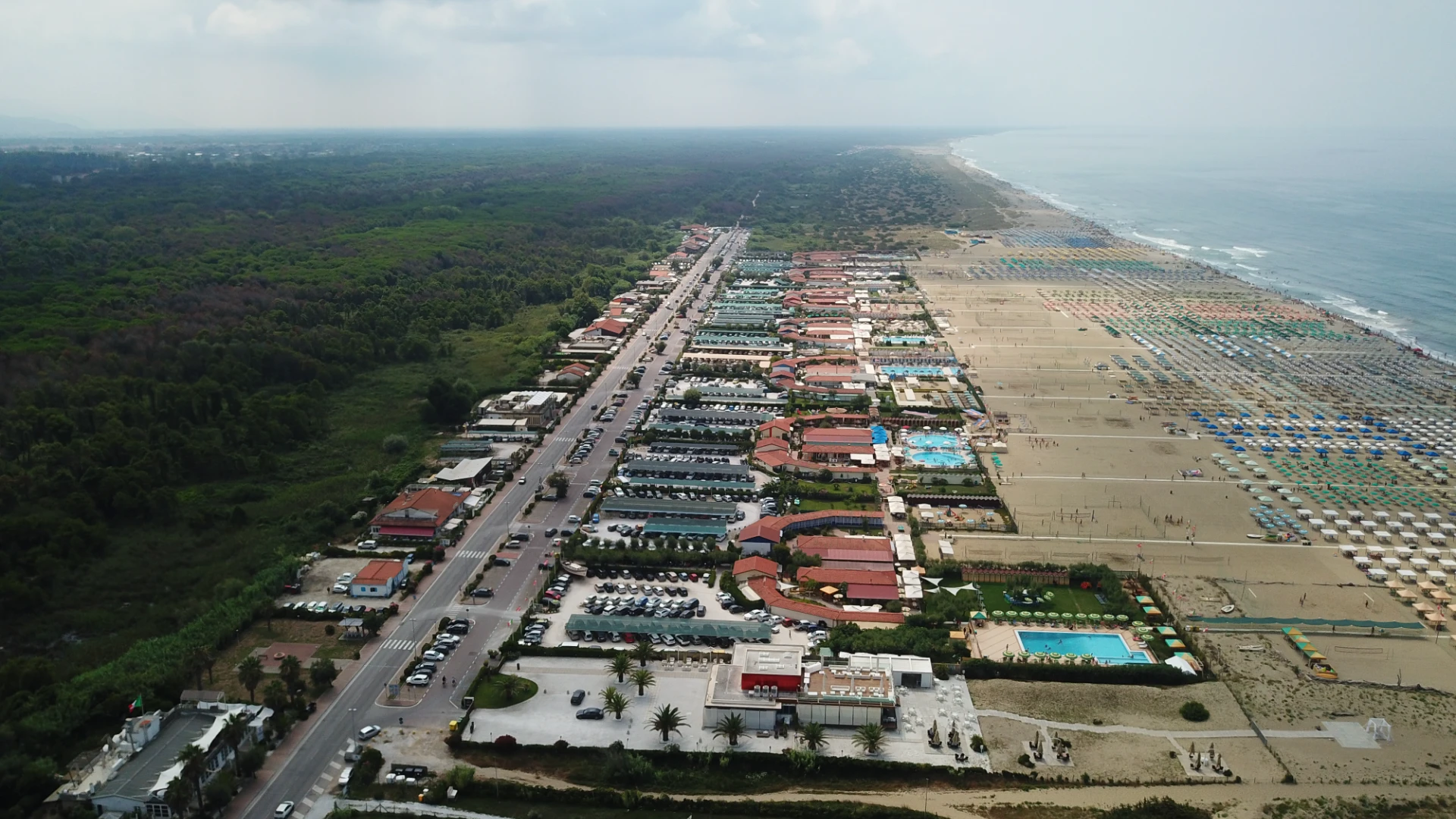
Strategic manufacturing expansion begins with understanding why Indonesia presents compelling opportunity for industrial growth. The country’s geographic position in Southeast Asia, combined with lower labor costs and improving infrastructure, attracts manufacturers seeking to reduce production expenses while maintaining quality standards. West Java, in particular, has emerged as the preferred destination for automotive, electronics, food processing, and logistics operations serving Asian and global markets.
Site evaluation determines project success more than any other factor. Viable locations must meet multiple criteria simultaneously, proximity to major transportation hubs including ports and toll roads, availability of utilities with sufficient capacity, compliance with local zoning regulations, and access to skilled labor pools. Companies that select sites based solely on land cost often discover that infrastructure deficiencies, logistical inefficiencies, or regulatory complications consume cost savings many times over. Strategic site selection front-loads investment but eliminates downstream friction.
Infrastructure requirements scale with production capacity. Expanding from 100 to 500 workers typically demands fivefold increases in water supply, power capacity, and waste treatment capability. Utilities must not only exist but provide redundancy and reliability sufficient for continuous operations. Power interruptions lasting hours can disrupt production schedules and damage equipment. Water supply inconsistency compromises manufacturing quality. Wastewater systems inadequate to handle increased volume create environmental violations and regulatory penalties. Facility planners must verify utility capacity before committing to a site, not discover deficiencies after construction begins.
Regulatory navigation requires sustained attention from project inception through operational launch. Environmental impact assessments, construction permits, operational licenses, labor compliance documentation, and utility connection approvals represent just the beginning. Each agency operates independently with its own timelines and documentation requirements. Companies managing permits without experienced local guidance typically encounter multiple revision cycles, unexpected requirement changes, and processing delays that extend timelines by months. Dedicated regulatory support compresses approval processes by consolidating submissions, anticipating agency questions, and maintaining communication with relevant officials.
Read also: Key Considerations for Building an Industrial Factory
Regulatory Bottlenecks and Infrastructure Shortfalls in Manufacturing Growth
Factory expansion projects across Indonesia face predictable obstacles that derail timelines and inflate budgets when planning fails to address them systematically. Understanding these bottlenecks before breaking ground allows project managers to implement mitigation strategies and avoid costly surprises.
Complex local licensing frameworks create delays that multiply across multiple approvals. Building permits require environmental documentation. Environmental clearance depends on site surveys. Site surveys cannot begin until land boundaries are legally established. Each prerequisite delays the next phase, and processing times for individual agencies extend anywhere from weeks to months depending on workload and documentation completeness. Companies unfamiliar with this sequence often attempt parallel processing of sequential requirements, creating errors that trigger additional revision cycles. Experienced development teams manage approvals in logical sequence, anticipate information requests, and maintain steady progress through bureaucratic processes.
Unreliable utility infrastructure strands expansion projects in locations that lack water capacity or power reliability sufficient for industrial operations. Indonesia’s state-owned utility providers, PLN for electricity and PDAM for water, maintain infrastructure that often matches development demand with significant lag. New facilities requesting connections to networks already operating near capacity encounter extended waiting periods or requirements for expensive on-site infrastructure including generators and water treatment systems. Companies that evaluate utility capacity only after purchasing land discover they must either invest heavily in supplementary systems or relocate to alternative sites. Facility planning must verify utility availability and connection feasibility before land acquisition.
Logistical inefficiencies from poor location selection create operational costs that persist throughout a facility’s lifespan. Manufacturing plants located far from major ports pay premium freight rates for inbound materials and outbound shipments. Distance from toll roads forces reliance on local roads with slower speeds and higher accident risk. Remote locations struggle to attract and retain skilled workers unwilling to commute long distances. These daily friction costs accumulate rapidly. A facility paying 20 percent premium freight rates and suffering 10 percent higher worker turnover consumes margin that competitive manufacturers operating at efficient locations preserve. Strategic site selection that prioritizes logistics proximity pays dividends across years of operation.
Key Phases of Industrial Facility Development and Utility Integration
Factory expansion unfolds across distinct phases, each with specific objectives, stakeholders, and decision points. Understanding the sequence and dependencies prevents managers from attempting parallel activities that should occur sequentially and identifies opportunities for acceleration.
The industrial facility development and utility integration workflow includes the following phases:
- Environmental and regulatory assessment, Commission environmental impact studies, secure environmental clearance, and file construction permits with relevant municipal authorities before site development begins
- Land acquisition and boundary establishment, Complete legal title transfer, establish utility easements, and demarcate facility boundaries through professional surveying to enable utility connections and construction planning
- Utility connection planning and coordination, Engage state-owned electricity and water providers, submit connection applications with load specifications, and confirm timeline estimates for power and water hookups
- High-capacity power infrastructure, Install or upgrade electrical substations, establish redundant power feeds from grid sources, and deploy backup generation capacity for uninterrupted operations during grid outages
- Water supply and wastewater treatment, Connect to municipal water networks or install on-site treatment systems, implement advanced wastewater facilities meeting environmental standards, and establish recycling systems to minimize consumption
- Gas pipeline and industrial feedstock, Coordinate with gas providers for pipeline installation to facility, establish storage and distribution systems for operational use, and ensure pressure and purity specifications match production requirements
- Fiber optic and digital infrastructure, Deploy high-speed networks throughout facility enabling real-time production monitoring, integrate IoT sensors on production lines, and establish cloud connectivity supporting Industry 4.0 automation systems
- Worker accommodation and supporting facilities, Develop or secure residential areas for workforce needs, establish medical clinics and educational training centers, and create commercial spaces supporting employee services and supply chain activities
Sequencing these phases correctly prevents costly rework and ensures utility availability aligns with facility commissioning. Power infrastructure must be operational before production equipment arrives. Water systems must be tested and certified before manufacturing begins. Digital networks must be live during equipment installation to support setup and calibration. Project managers working from integrated timelines identify dependencies and schedule activities accordingly.
Read also: The Advantages of Building a Factory in Indonesia
Comparing Industrial Location Options for Advanced Manufacturing
Manufacturing location decisions carry long-term consequences that affect profitability for decades. Traditional industrial areas offer basic land with minimal infrastructure, requiring operators to source utilities independently and navigate regulatory processes without institutional support. Smart industrial estates provide integrated infrastructure, regulatory assistance, and strategic positioning that accelerate expansion projects and reduce operational risk.
| Aspect | Traditional Industrial Areas | Smart Industrial Estates |
|---|---|---|
| Utility Infrastructure | Basic power and water availability. Limited redundancy. Operator responsible for supplementary systems if demand exceeds existing capacity | High-capacity redundant electricity, water, and gas systems engineered for industrial operations. Centralized management ensures consistent availability |
| Regulatory Support | Operators manage all permits independently. Multiple interactions with different agencies. Processing timelines typically 6-12 months | Dedicated investment assistance teams coordinate permits. Consolidated applications reduce bureaucratic friction. Fast-track programs compress timelines to 2-3 months |
| Digital Connectivity | Limited fiber optic availability. Basic internet suffices for offices but inadequate for Industry 4.0 automation | High-speed networks embedded throughout; IoT infrastructure supports smart factory applications. Real-time production monitoring and predictive maintenance capabilities |
| Transportation Access | Variable proximity to ports and toll roads. Logistics costs dependent on site location. Supply chain efficiency difficult to optimize | Strategic positioning near major ports and highway networks. Multi-modal transport options reduce inbound and outbound shipping costs by 15-25 percent |
| Workforce Support | Operators source housing and services independently. Worker recruitment and retention challenges in remote locations | Integrated township with residential areas, schools, medical facilities, and commercial services. Improved recruitment and retention. Reduced commute burden |
| Environmental Compliance | Operators design and maintain waste treatment independently. Regulatory verification inconsistent | Certified treatment facilities shared across estate. Professional management ensures consistent compliance. Reduces individual facility burden |
| Construction Timeline | Land preparation through operations typically 12-18 months. Delays common due to infrastructure gaps | Pre-built shells and standardized facilities reduce timeline to 3-6 months. Established contractor networks accelerate construction |
Location choice determines whether expansion projects achieve timeline and budget targets or encounter unexpected obstacles. Traditional industrial areas offer lower upfront land costs but impose ongoing operational friction and regulatory risk that erode competitive advantages. Smart industrial estates require higher initial investment but deliver measurable efficiency gains, faster time-to-operation, and reduced regulatory exposure that justify premium positioning within a few years of operations.
Read also: The Technology Needed to Be a Smart Factory in Industry 4.0
Secure Industrial Park for Your Factory Expansion at Subang Smartpolitan
Factory expansion demands more than land and construction capacity. Success requires integrated infrastructure, regulatory expertise, and strategic positioning that accelerate expansion timelines while protecting long-term operational efficiency. Companies expanding manufacturing operations into Indonesia face a choice between navigating obstacles independently or partnering with experienced developers who have eliminated friction points and streamlined processes.
Subang Smartpolitan represents the next generation of industrial park, designed specifically to support advanced manufacturing, logistics, and high-tech production operations. The integrated smart township combines strategic West Java positioning near major ports and transportation networks with world-class infrastructure engineered for Industry 4.0 automation. High-capacity electricity systems with redundancy, advanced water and wastewater treatment facilities, and fiber optic networks embedding IoT capabilities throughout the estate ensure manufacturing operations achieve maximum efficiency without infrastructure constraints.
The Suryacipta Centre of Information provides comprehensive investment support from initial site evaluation through facility commissioning. Dedicated teams guide foreign investors through regulatory requirements, manage permit applications with government agencies, coordinate utility connections with state-owned providers, and connect you with pre-vetted contractors and service providers. Fast-track construction programs accelerate facility development, enabling manufacturers to transition from site selection to production operation in 2-3 months rather than the 6-12 months typical in unsupported locations.
Explore available industrial plots and commercial spaces at Subang Smartpolitan, or contact our team to discuss your factory expansion requirements and discover how strategic location combined with integrated support services accelerates your manufacturing operation launch in Indonesia.
FAQ
1. What is the typical timeline for completing a factory expansion project in West Java?
Traditional expansion projects spanning site acquisition through operational launch typically require 6-12 months depending on project complexity and regulatory efficiency. Smart industrial estates with pre-cleared environmental assessments and dedicated investment assistance compress timelines to 2-3 months for standard facilities, allowing manufacturers to reach production much faster and recover investment costs sooner.
2. How do industrial estates handle high-capacity power and wastewater treatment during a factory expansion?
Integrated industrial estates manage centralized utility infrastructure engineered to support multiple facilities simultaneously. High-capacity electricity substations with redundant grid feeds and backup generation ensure uninterrupted power supply.
Advanced wastewater treatment plants designed for shared use reduce individual facility burden while maintaining consistent compliance with environmental standards. Operators connect to existing systems rather than building independent infrastructure, significantly reducing capital requirements and construction timelines.
3. What government permits are required before starting a factory expansion in Indonesia?
Factory expansion requires environmental clearance, construction permits, operational business licenses, and utility connection approvals from multiple agencies. Additional requirements may include labor compliance documentation, fire safety certification, and industry-specific operational permits. Dedicated investment assistance teams consolidate these approvals into coordinated processes, managing submissions and communications with relevant agencies to prevent delays from incomplete documentation or procedural misunderstandings.
4. Why is proximity to major toll roads and ports critical for a successful factory expansion?
Proximity to transportation networks directly affects supply chain economics and competitive positioning. Facilities within 60-90 minutes of major ports reduce shipping costs for both inbound materials and outbound products by 15-25 percent compared to remote locations.
Access to toll roads enables rapid distribution to consumer markets and supply chain partners. Logistical efficiency compounds across years of operation, making location selection one of the highest-impact expansion decisions manufacturers face.
5. How can manufacturers access fast-track construction programs during their factory expansion?
Industrial estates with established infrastructure and streamlined processes offer fast-track construction that compresses development timelines. Standardized building codes, pre-vetted contractor networks, and priority utility connections eliminate typical delays.
Some estates maintain ready-built facility shells enabling immediate occupancy. Dedicated investment assistance teams coordinate all elements of the construction process, managing permits, contractor scheduling, and utility installation simultaneously rather than sequentially, substantially accelerating project completion.


Leave a Comment