

As global energy demand continues to rise, industrial estates are under growing pressure to balance economic growth with environmental responsibility. The industrial sector accounts for a significant share of global energy consumption, making it a key driver of carbon emissions and resource use. Rising energy costs, stricter environmental regulations, and corporate sustainability commitments are accelerating the shift toward cleaner energy solutions.
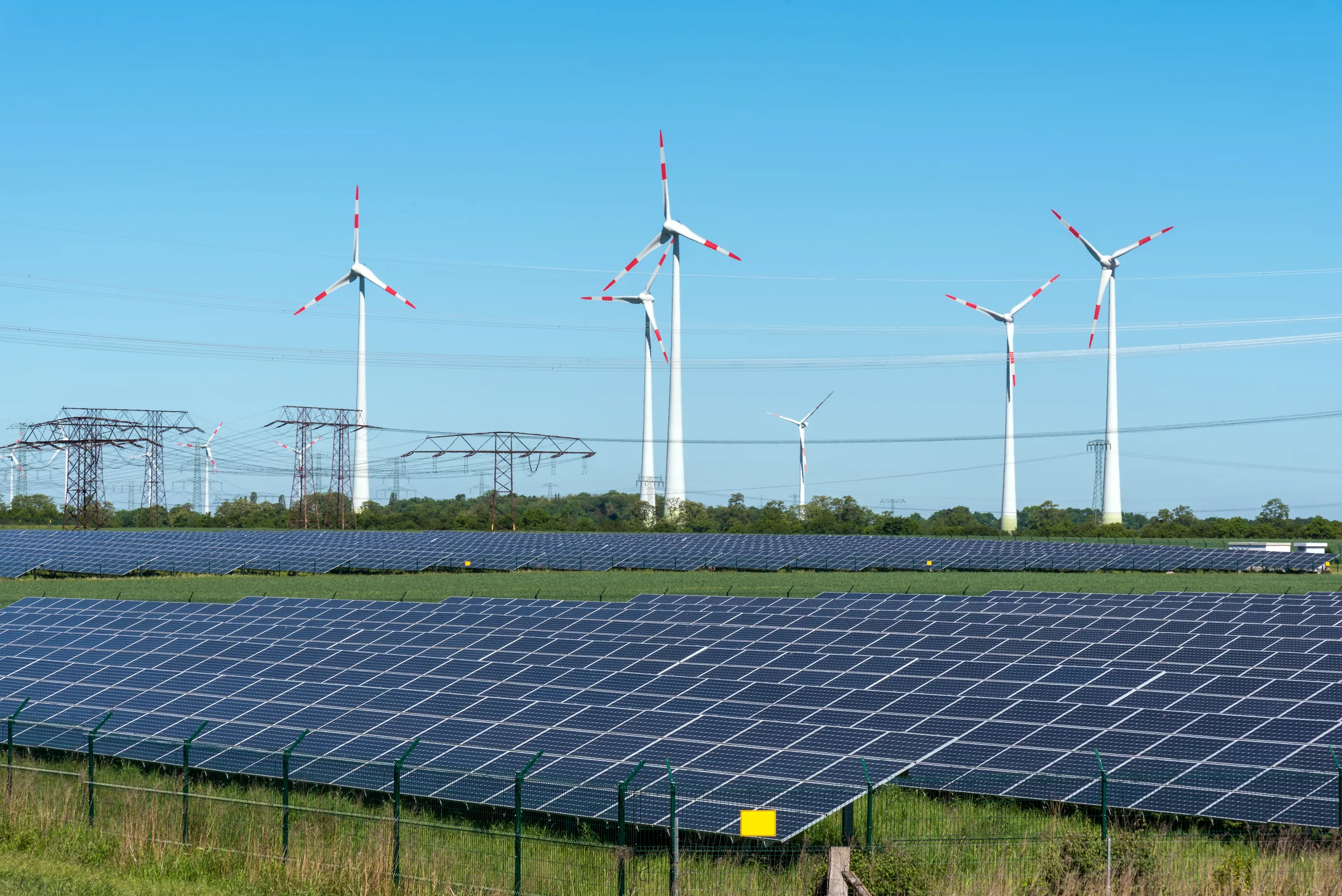
Renewable energy for industrial estates has emerged as a strategic response to these challenges. By adopting renewable energy sources such as solar, wind, and biomass, industrial estates can reduce their environmental footprint while maintaining operational efficiency. This article explores the benefits of renewable energy for industrial estates, how it supports sustainable development, and real-world examples of its successful implementation.
One of the most significant advantages of renewable energy is its ability to reduce long-term operational costs. While the initial investment can be substantial, renewable energy systems offer stable, predictable energy costs, helping industrial estates avoid fluctuations in fossil fuel prices.
Renewable energy also plays a critical role in reducing carbon emissions. By shifting away from conventional power sources, industrial estates can significantly lower their environmental impact and comply with increasingly strict environmental regulations. This transition supports the Environmental, Social, and Governance (ESG) goals and enhances corporate credibility.
Energy security is another major benefit. On-site renewable energy systems help industrial estates diversify their power sources and reduce reliance on centralized grids. This improves reliability and minimizes disruptions that could affect industrial productivity.
Additionally, renewable-powered industrial estates are more attractive to global tenants. Many multinational companies prioritize sustainability when selecting locations, making renewable energy a strong competitive advantage. When combined with smart infrastructure and digital energy management systems, renewable energy supports the development of modern, future-ready smart city.
A Case Study of Renewable Energy at Subang Smartpolitan
Subang Smartpolitan was developed to support sustainable industrial growth while minimizing environmental impact. As a modern industrial estate, it faced the challenge of meeting increasing energy demands without relying solely on conventional energy sources.
To address this, Subang Smartpolitan integrated renewable energy solutions such as solar power systems and smart energy infrastructure into its master plan. Energy-efficient building standards and digital monitoring systems will also be implemented to optimize energy use across the estate.
Renewable energy is no longer an optional feature for industrial estates—it is a strategic necessity. By lowering operational costs, reducing carbon emissions, and improving energy reliability, renewable energy supports long-term industrial growth. Industrial estates that invest in clean energy today are better positioned to compete in a sustainability-driven global market.
Subang Smartpolitan illustrates how renewable energy, combined with smart infrastructure, can create a resilient and future-ready industrial environment. Embracing renewable energy is a critical step toward sustainable industrial development.