


Why Is Logistics Access Important When Choosing an Industrial Park?
September 11, 2026
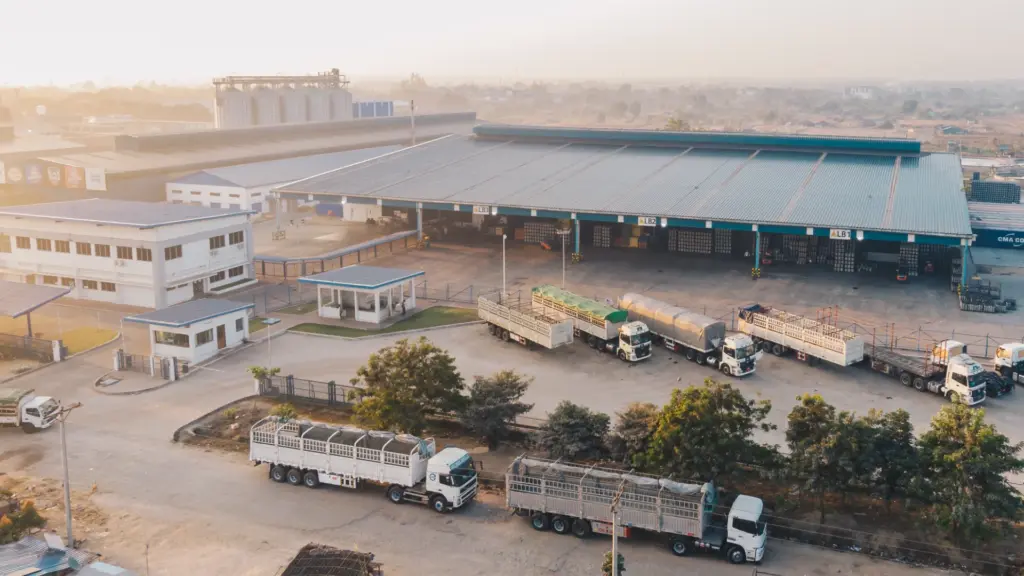
Logistics access is one of the most important factors when selecting an industrial park location. Operational efficiency, supply chain resilience, and long-term profitability are strongly influenced by how effectively a facility connects to major transportation networks. Without reliable logistics infrastructure, even advanced manufacturing facilities can face longer transit times, higher transportation costs, and delivery delays.
The difference between a well-connected industrial park and a poorly connected location can have a significant impact on operating costs and service levels. Proximity to toll roads, ports, airports, and other transport infrastructure influences how quickly and efficiently goods can move. This article explains why logistics access matters and how businesses can evaluate industrial sites based on connectivity and freight efficiency.
The Importance of Logistic Access When Choosing Industrial Park
Logistics access directly affects manufacturing and distribution operations. When a facility is close to major transportation routes, businesses can reduce travel distances, improve delivery predictability, and manage transportation costs more effectively. These benefits can become significant when a company handles hundreds or thousands of shipments each year.
1. Transportation Cost Reduction
Every additional kilometer between a facility and a major transport route can increase freight costs, depending on vehicle type, cargo, road conditions, tolls, and travel time. Longer routes generally require more fuel, driver time, and vehicle use. Direct or efficient access to toll roads can therefore help businesses manage transportation costs, although the actual savings depend on the route and shipment profile.
2. Delivery Speed Improvements
Customers increasingly expect reliable and timely fulfillment. An industrial park with efficient connections to major logistics hubs can help businesses shorten transit times and improve delivery predictability. Better road connectivity can also reduce exposure to avoidable bottlenecks and support more responsive inventory and distribution planning.
3. Supply Chain Reliability
Just-in-time manufacturing depends on consistent and predictable material deliveries. When a facility has access to more than one viable transportation route, logistics teams may have alternatives when congestion, maintenance, or other disruptions affect a particular route. This flexibility can improve supply chain resilience, particularly for operations that depend on time-sensitive inbound materials.
Read also: How Industrial Corridors Help Reduce Supply Chain Disruptions?
Key Infrastructure Elements for Superior Connectivity
Superior industrial logistics requires more than proximity to a major road. Internal estate infrastructure and connections to external transportation networks need to work together. Road capacity, access points, vehicle circulation, parking, loading areas, and connections to ports and airports all influence whether daily logistics operations run smoothly.
1. Toll Road Connectivity
An industrial park benefits from efficient access to the national toll road network because toll roads can provide faster and more predictable long-distance freight movement. Where alternative access routes are available, businesses may also have greater flexibility when congestion or maintenance affects one route.
2. Port Proximity and International Logistics
Ports handle containerized cargo and other forms of freight that require multimodal transportation. Proximity to a suitable port can reduce inland transportation distance and simplify coordination between manufacturers, logistics providers, and shipping lines. However, the appropriate port depends on the cargo type, trade lane, vessel services, and overall logistics network. For businesses in West Java, ports such as Patimban and Tanjung Priok can be important gateways for international trade.
3. Internal Estate Infrastructure
Industrial estates serving manufacturing and logistics operations should provide internal roads, turning areas, loading and unloading space, and vehicle parking that are appropriate for the expected freight traffic. The exact pavement strength and road geometry should be matched to the vehicle types and loads permitted within the estate. Poor internal road design can slow vehicle movements and create safety or congestion issues.
Read also: How Does Zoning Affect Industrial Park Development and Operations?
Operational Advantages of Strategic Industrial Locations
Choosing a strategically positioned industrial park can deliver long-term operational benefits. These benefits can extend beyond freight efficiency to workforce accessibility, production continuity, and overall business competitiveness.
Efficient logistics access can help reduce fuel consumption, travel time, and vehicle operating costs. The financial impact depends on shipment volume, route distance, vehicle type, toll charges, and delivery frequency. For high-volume manufacturers and logistics operators, even relatively small savings per trip can become material over time.
Accessible locations can also support workforce recruitment and retention. Employees may benefit from shorter and more predictable commutes when industrial estates are connected to major roads and public transportation. This can be particularly relevant for businesses that need to attract skilled technicians, engineers, supervisors, and other specialized workers.
Logistics access is also important for just-in-time manufacturing. This production approach aims to receive materials close to the time they are needed, reducing the need for excess inventory. Reliable transportation connections can therefore help manufacturers manage delivery schedules and reduce the risk that logistics disruptions will interrupt production.
Evaluating Industrial Sites Based on Freight Efficiency
Assessing potential industrial locations requires a structured review of logistics metrics and infrastructure capabilities. General descriptions such as “good location” are not sufficient for investment decisions. Businesses should examine actual travel distances, route conditions, traffic patterns, access points, and the physical infrastructure available at the site.
Start by measuring the actual driving distance from the prospective facility to relevant toll road entry points, ports, airports, and other key logistics nodes. Driving distance is more useful than straight-line distance because road networks and access restrictions can materially affect travel time. A site that appears close on a map may require a longer or less efficient route.
Review traffic conditions during the hours when inbound and outbound logistics activity is expected to be highest. Conditions can vary substantially by time of day and day of the week. Visiting the site during representative operating periods can provide a more realistic picture of congestion and vehicle accessibility than relying only on average travel times.
Confirm the availability of heavy-vehicle parking, staging, loading, unloading, and turning areas within the industrial estate. Trucks need adequate space to maneuver safely and wait without obstructing public roads. Well-planned freight circulation can reduce operational delays and improve safety for both estate users and surrounding communities.
Read also: What Makes West Java a Strategic Manufacturing Hub in Indonesia?
Why Is Logistics Access Important When Choosing an Industrial Park at Subang Smartpolitan?
Subang Smartpolitan is positioned as an industrial park with direct and planned connections to major transportation infrastructure in West Java. The estate has direct access to the Cikopo–Palimanan (Cipali) Toll Road network and access to the Patimban Seaport. These connections are intended to support manufacturers and logistics operators that require efficient access to major markets and gateways.
The estate is strategically located in Subang, West Java, with approximately 90 km to Jakarta, around 40 km to Patimban Seaport, and around 100 km to Tanjung Priok Seaport, also Kertajati International Airport as a nearby aviation gateway. These distances should be treated as approximate and may vary depending on the specific route and access point.
Subang Smartpolitan’s logistics proposition is supported by its location within the Trans-Java toll road network and its planned connectivity toward Patimban. The broader Patimban Toll Access project is being developed to strengthen logistics connectivity to the port.
Subang Smartpolitan also provides investment and development support, including permitting assistance intended to help businesses establish and expand operations.
Explore how Subang Smartpolitan can help optimize your supply chain, or contact our team to learn more.