


What Makes West Java a Strategic Manufacturing Hub in Indonesia?
September 11, 2026
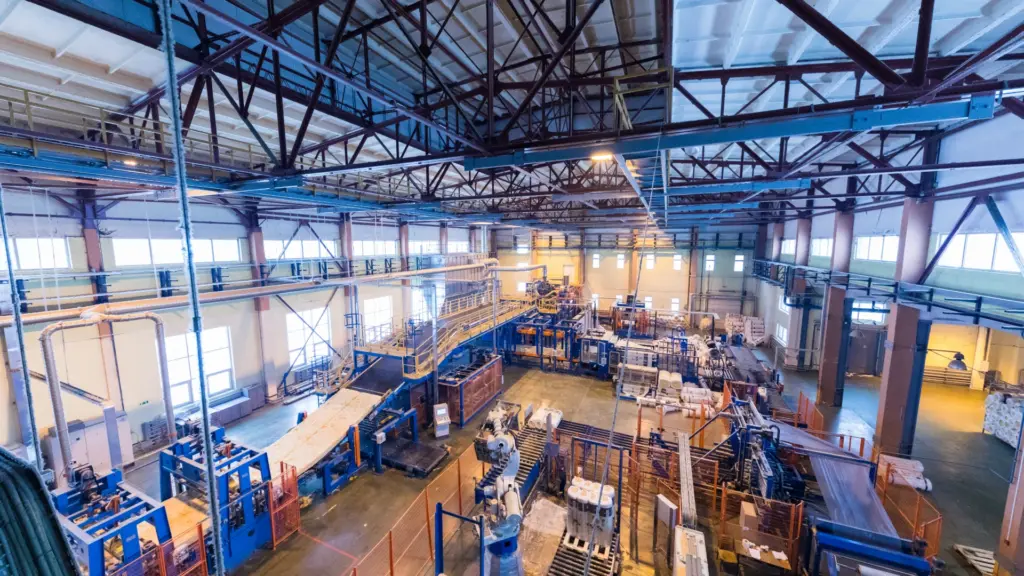
West Java has solidified its position as Southeast Asia’s primary manufacturing destination by combining geographic advantage with infrastructure specifically engineered for modern production. The region attracts over 170 global enterprises from 16 countries, who have chosen West Java because it addresses the operational demands that define competitive manufacturing in today’s economy.
When evaluating West Java as a strategic manufacturing hub in Indonesia, investors will find that access to major ports, reliable utilities, and a skilled workforce come together to enable efficient supply chains and predictable operating costs.
Geographical Advantages of West Java for Industrial Logistics
West Java’s strategic location creates direct connections to global shipping routes and regional trade hubs. Port proximity, toll road networks, and international air connectivity form the foundation of the region’s logistical advantage.
1. Port Connectivity and Container Movement
Patimban Seaport in Subang, West Java, is a key component of the region’s growing logistics infrastructure and provides manufacturers with direct access to an international maritime gateway. Its strategic location near Subang’s industrial areas supports efficient movement of containerized cargo for both export and import activities, helping manufacturers reduce inland transportation distances and improve supply chain efficiency.
For manufacturers operating in Subang, proximity to Patimban Seaport creates a significant logistics advantage by providing an alternative gateway to Indonesia’s major maritime trade routes. The port’s development is expected to strengthen Subang’s role within West Java’s manufacturing and supply chain corridor, particularly as industrial activity continues to expand across the Rebana Metropolitan area.
2. Toll Road Network and Multi-Directional Access
Access to major road networks gives manufacturers in Subang Smartpolitan efficient connections to key industrial, commercial, and consumer markets across Java. The Jakarta–Cikampek (Japek) Toll Road, complemented by the Jakarta–Cikampek Elevated (MBZ) Toll Road, also provides a direct connection toward Jakarta and the wider Jabodetabek area, supporting access to the capital’s business, distribution, and logistics networks.
From Subang, the Cipali (Cikopo–Palimanan) Toll Road, part of the Trans-Java Toll Road network, provides east–west connectivity across West Java and beyond. To the west, it connects with the Jakarta–Cikampek Toll Road, providing access toward Jakarta and the wider Greater Jakarta region. To the south, connections through the wider regional road network provide access to Bandung, the capital of West Java. Continuing eastward, Cipali connects with the Palimanan–Kanci Toll Road and the broader Trans-Java corridor, providing access to Central Java and major manufacturing and consumer markets across the island.
This multi-directional connectivity gives manufacturers at Subang Smartpolitan greater flexibility in moving raw materials, components, and finished goods between production facilities, ports, suppliers, distribution centers, and domestic markets. Combined with proximity to Patimban Seaport, the toll road network strengthens Subang’s position as an emerging manufacturing and logistics hub in West Java.
3. International Air Connectivity
International air connectivity through Kertajati International Airport in West Java provides an additional transportation option for manufacturers operating in the Subang region. Located within the broader Rebana economic corridor, the airport strengthens regional connectivity for passengers and air cargo while complementing the area’s road and seaport infrastructure.
For manufacturers, access to an international airport can provide greater flexibility for time-sensitive logistics, including business travel, urgent shipments, samples, and other cargo that may require air transportation. Combined with the Trans-Java toll road network and proximity to Patimban Seaport, Kertajati’s connectivity contributes to a more diversified logistics network for businesses establishing operations in the Subang region.
Read also: How Industrial Corridors Help Reduce Supply Chain Disruptions?
Infrastructure Factors Driving West Java Manufacturing Growth
Manufacturing success depends on utility systems that operate reliably at the scale production demands. Industrial estates provide dedicated electrical infrastructure designed to support the varying power requirements of manufacturing tenants, with transformer and power allocation capacities determined according to each facility’s operational needs. For energy-intensive operations, appropriately sized electrical infrastructure is essential for supporting automated production lines, climate-controlled manufacturing areas, data systems, and other equipment that require a stable power supply.
Water supply and environmental management systems match the scale of modern manufacturing operations. Industrial zones deliver treated clean water at volumes supporting both production processes and facility operations, while advanced wastewater treatment plants process discharge to international standards. Companies no longer manage independent water treatment, reducing capital expenditure and operational complexity. Environmental compliance becomes a zone responsibility rather than an individual facility burden, allowing manufacturers to focus resources on production rather than navigating overlapping regulatory requirements.
High-speed fiber optic networks embedded throughout West Java’s industrial estates enable the digital infrastructure that defines Industry 4.0 manufacturing. Real-time production monitoring, automated quality control systems, predictive equipment maintenance, and cloud-based enterprise platforms require connectivity that transcends basic internet service. Manufacturers operating in zones with integrated fiber networks can deploy IoT sensors across production floors, collect performance data in real time, and make data-driven adjustments that improve efficiency and reduce waste. Facilities without this digital foundation face significant delay and capital cost to build comparable systems independently.
Read also: How Does Zoning Laws Affect Industrial Park Development and Operations?
Essential Resources Supporting Modern Production Operations
West Java’s competitive advantage extends beyond geography and utilities to include human and institutional resources that enable efficient manufacturing operations:
- Access to an abundant and competent young workforce trained for modern industrial demands, supported by vocational institutions and on-the-job training programs coordinated with manufacturing employers.
- Dedicated government investment assistance centers that consolidate permitting procedures, reduce bureaucratic delays, and provide fast-track construction programs that compress project timelines from months to weeks.
- Comprehensive supporting commercial and residential facilities built within self-contained townships, including housing, retail operations, dining services, medical clinics, and educational institutions that reduce employee commute times and improve retention.
- Streamlined customs procedures and import-export facilitation at integrated port and airport gateways, accelerating cargo clearance and reducing working capital tied up in transit delays.
- Established supply chain networks connecting raw material suppliers, component manufacturers, logistics providers, and service vendors, reducing sourcing friction and enabling just-in-time production practices.
- Multi-modal transportation infrastructure linking facilities to container ports, rail corridors, truck networks, and air cargo terminals, providing flexibility in logistics routing based on cost, speed, and cargo characteristics.
Read also: Why Is Logistics Access Important When Choosing an Industrial Park?
These integrated resources create an environment where you can establish and scale manufacturing operations with minimal friction and maximum efficiency.
Subang Smartpolitan brings these advantages together in a 2,717-hectare fully integrated industrial park and township, offering connectivity, infrastructure, and a comprehensive ecosystem designed to support businesses from establishment through long-term growth. Explore our industrial park to learn more about the opportunities for your manufacturing investment, or contact our team to discuss your plans with us.