

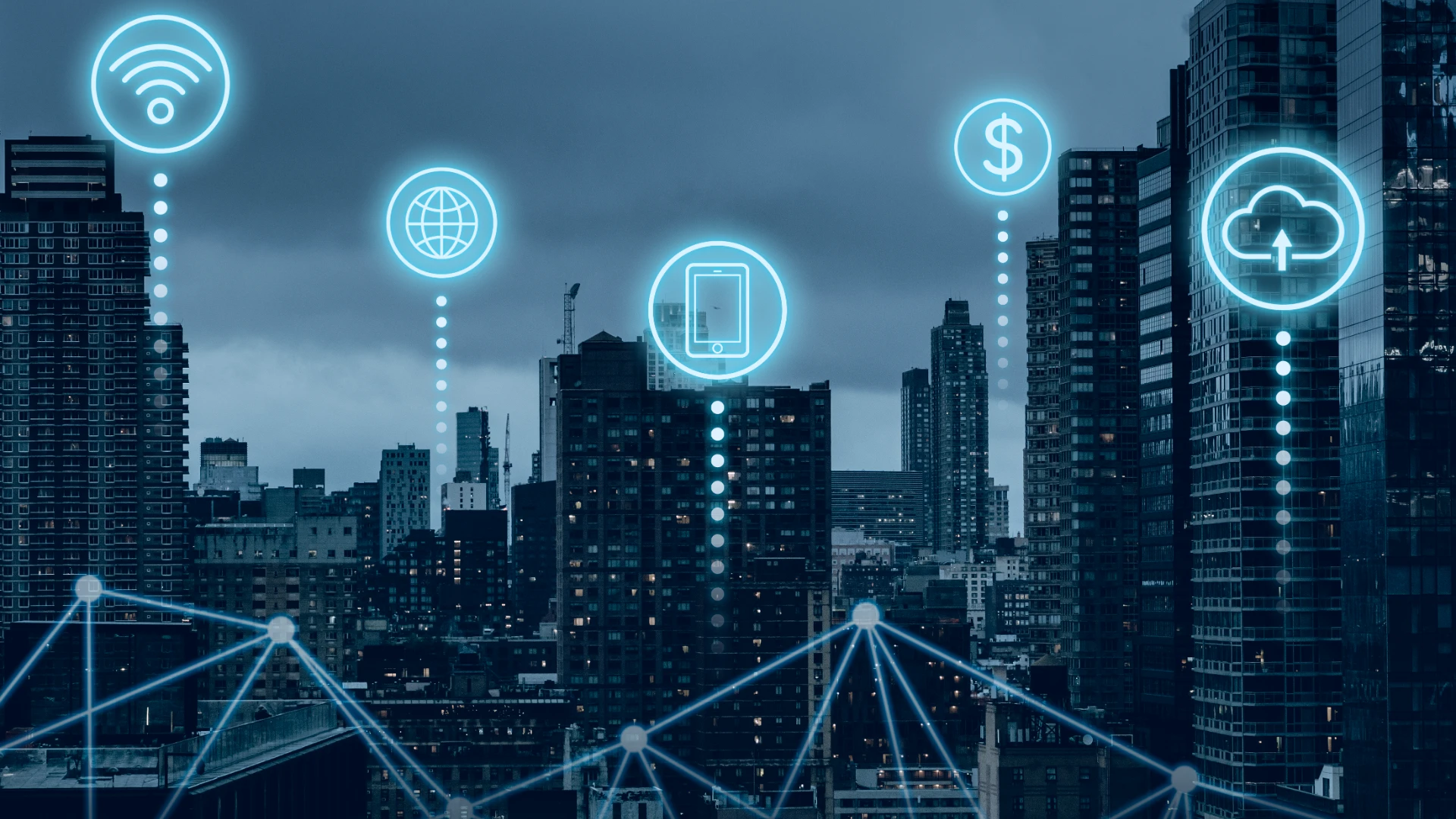
The adoption of IoT in supply chain is transforming how businesses manage logistics, inventory, and distribution in the Industry 4.0 era. As global supply chains become increasingly complex, companies need real-time visibility and data-driven decision-making to improve efficiency, reduce operational costs, and respond quickly to disruptions.
By connecting physical assets through smart sensors and internet-enabled devices, IoT enables businesses to build more agile, transparent, and intelligent supply chain operations.
What is the Internet of Things (IoT)?
The Internet of Things (IoT) is a network of physical devices connected to the internet that can collect, exchange, and analyze data with minimal human intervention. Using sensors, RFID tags, GPS, and other connected technologies, IoT enables machines, equipment, and assets to communicate with one another in real time.
In industrial operations, IoT is widely used to automate processes, monitor equipment performance, improve predictive maintenance, and optimize supply chain management through continuous data collection and analysis.
Read More: A Guide to Buying Land in Indonesia for Business Investment
Why IoT is Important in Supply Chain Management
Modern supply chains involve multiple stakeholders, warehouses, transportation networks, and suppliers spread across different regions. Without real-time visibility, businesses often struggle with inventory inaccuracies, shipment delays, and inefficient resource allocation.
Implementing IoT in supply chain management allows companies to gain end-to-end visibility across every stage of the supply chain. Connected devices continuously monitor assets, inventory, and transportation conditions, enabling faster decision-making, reducing manual processes, and improving overall operational performance.
Applications of IoT in Supply Chain Management
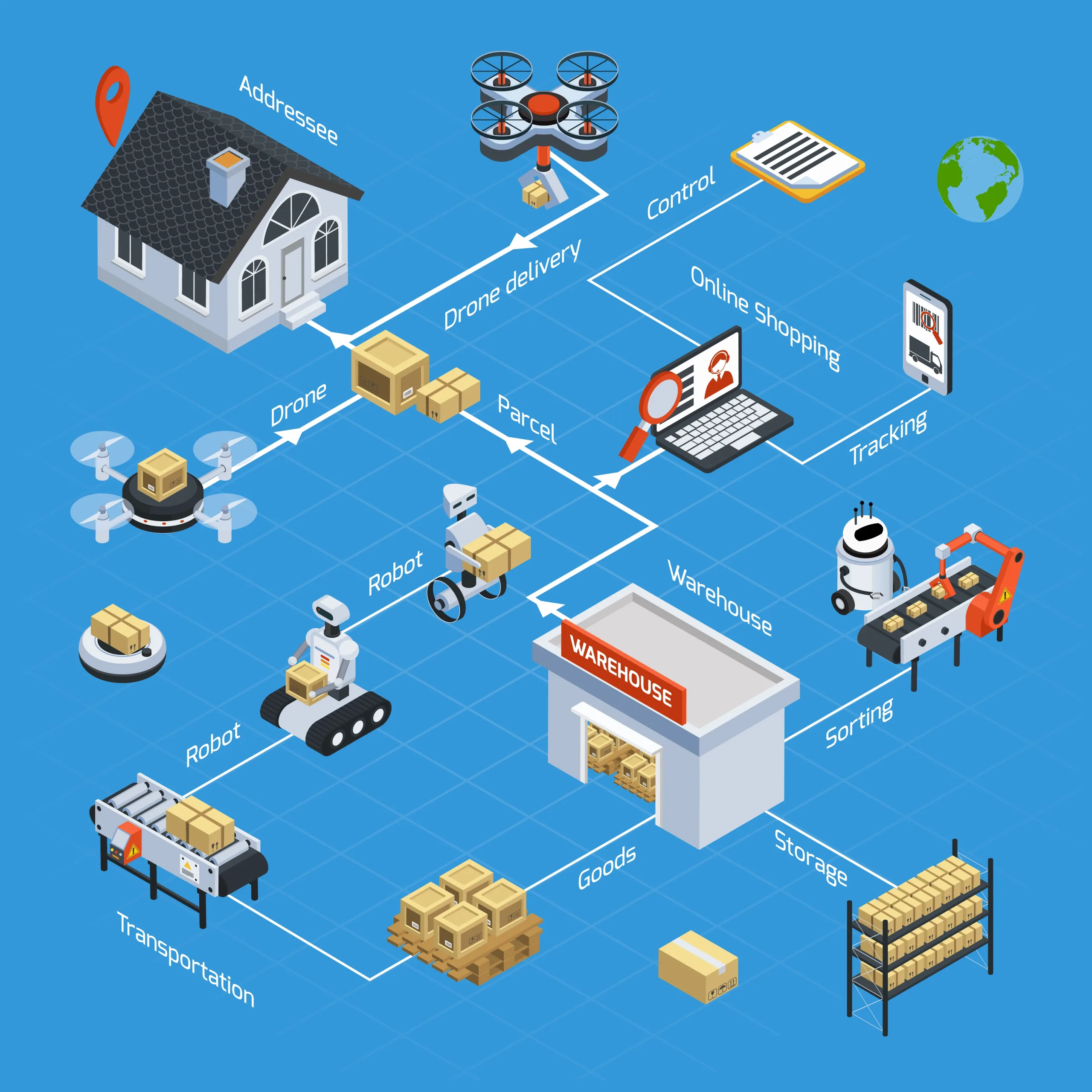
1. Asset Tracking
Supply chain management is transformed by IoT’s ability to track asset locations. Connected sensors provide continuous information about product locations, movement history, and lifecycle status. Businesses can optimize delivery routes, prevent shipment delays, and reduce losses while improving supply chain efficiency.
2. Fleet Management
IoT sensors installed in delivery vehicles collect valuable operational data, including speed, fuel consumption, emissions, engine condition, and tire pressure. This information supports predictive maintenance, reduces unexpected vehicle breakdowns, improves driver safety, and enables more accurate delivery scheduling.
3. Warehouse Management
Warehouse operations become significantly more efficient with IoT-enabled automation. Smart sensors placed on shelves, pallets, and storage areas monitor inventory movement in real time, helping reduce human error, improve stock accuracy, prevent inventory shortages, and accelerate order fulfillment.
4. Cold Chain Monitoring
Temperature-sensitive products such as pharmaceuticals, food, and vaccines require strict environmental control throughout transportation. IoT sensors continuously monitor temperature, humidity, and air quality, instantly alerting operators whenever conditions exceed acceptable limits. This helps maintain product quality while reducing spoilage and waste.
Read More: Industrial Estate Explained: Key Aspects to Consider for Business Growth
Benefits of IoT in Supply Chain
Beyond improving operational visibility, IoT delivers several long-term business advantages.
1. Improved Real-Time Visibility
Connected devices provide instant updates across the entire supply chain, allowing businesses to quickly identify disruptions and respond before they escalate.
2. Better Inventory Accuracy
Real-time inventory tracking reduces stock discrepancies, minimizes overstocking and stockouts, and supports more accurate demand forecasting.
3. Lower Operational Costs
Automation reduces manual data entry, minimizes errors, optimizes transportation routes, and lowers maintenance expenses through predictive analytics.
4. Enhanced Customer Satisfaction
More accurate shipment tracking and reliable delivery estimates improve customer experience while increasing trust and transparency.
5. Data-Driven Decision Making
IoT generates valuable operational insights that help companies identify inefficiencies, improve planning, and optimize overall supply chain performance.
The Future of IoT in Supply Chain
As Industry 4.0 continues to evolve, IoT is becoming the foundation of digital supply chains. Emerging technologies such as Artificial Intelligence (AI), machine learning, digital twins, and cloud computing are increasingly integrated with IoT platforms to create autonomous and predictive supply chain ecosystems.
In the future, businesses will rely even more on connected technologies to improve resilience, reduce supply chain risks, and enhance sustainability through smarter resource utilization and energy-efficient logistics operations.
Read More: Industrial Estates in Indonesia: How They Work and Why They Matter
The adoption of IoT in supply chain is helping businesses build more connected, efficient, and resilient operations. From real-time asset tracking and warehouse automation to predictive maintenance and cold chain monitoring, IoT enables organizations to improve visibility, reduce costs, and make faster, data-driven decisions across the entire supply chain.
As supply chains become increasingly digital, businesses also need industrial ecosystems that support advanced technologies and seamless connectivity.
Subang Smartpolitan offers a smart and sustainable industrial park equipped with digital-ready infrastructure, IoT-enabled facilities, and strategic connectivity to major logistics hubs.
Located just 89 km east of Jakarta and near Patimban Seaport, it’s strategically placed within major infrastructures and the heart of the supply chain corridor, offering diverse investment opportunities from industrial to commercial plots.
Experience a smart and sustainable city, equipped with advanced technology and IoT facilities, designed for cost efficiency and environmental sustainability. Don’t miss this chance to be a part of Indonesia’s thriving future.
FAQ
1. What is IoT in supply chain management?
IoT in supply chain management refers to the use of internet-connected sensors and devices to monitor, track, and optimize the movement of goods, vehicles, inventory, and equipment in real time.
2. What are the benefits of IoT in supply chain?
IoT improves supply chain visibility, reduces operational costs, enhances inventory accuracy, supports predictive maintenance, increases delivery efficiency, and enables better decision-making through real-time data.
3. How is IoT used in warehouse management?
IoT helps warehouses monitor inventory automatically using smart sensors and RFID technology, reducing manual errors while improving stock accuracy and order fulfillment.
4. Why is real-time tracking important in supply chain management?
Real-time tracking allows businesses to monitor shipments, identify delays, optimize delivery routes, and respond quickly to disruptions, resulting in greater operational efficiency and customer satisfaction.
5. How does IoT support Industry 4.0?
IoT connects machines, equipment, and systems through continuous data exchange, enabling automation, predictive analytics, and intelligent decision-making that form the foundation of Industry 4.0 manufacturing