

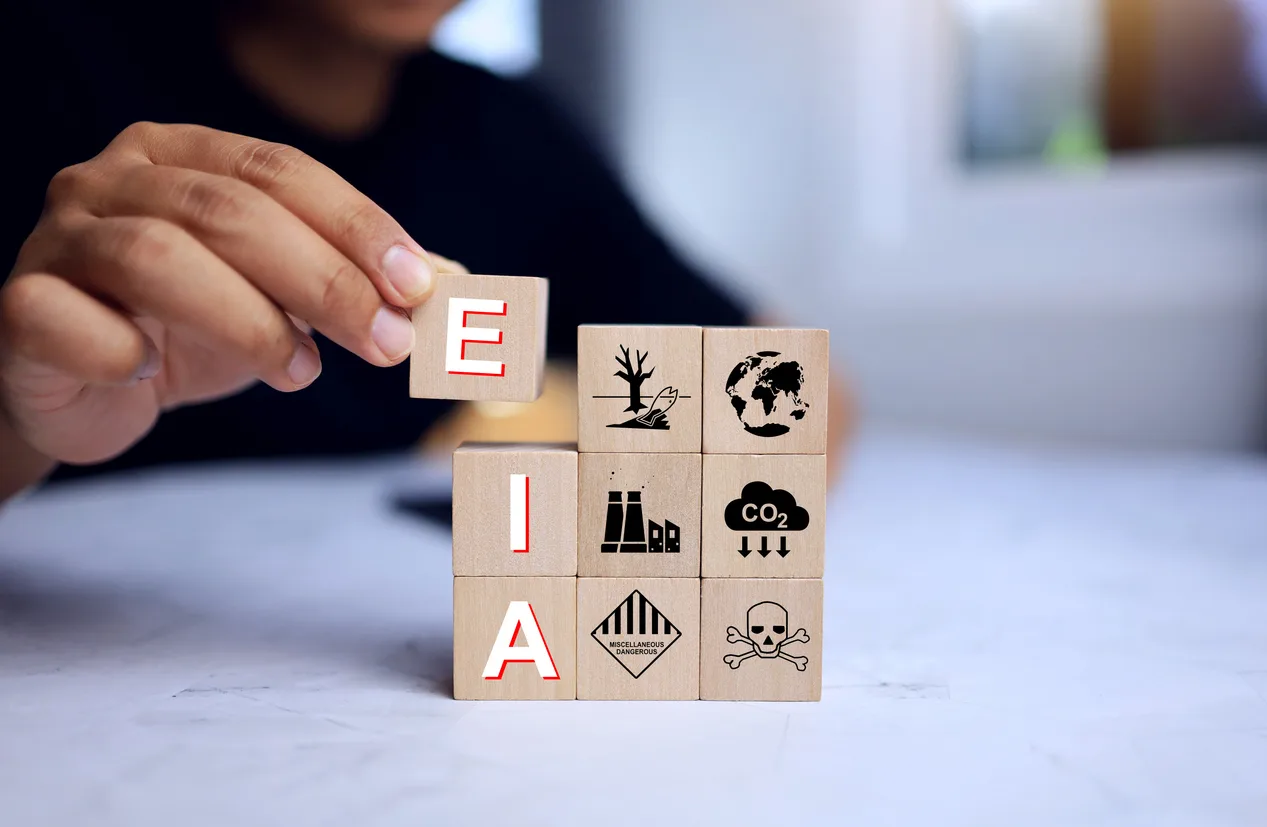
In the era of rapid industrial expansion, balancing economic growth with ecological preservation is the ultimate challenge for developers. AMDAL (Analisis Mengenai Dampak Lingkungan) stands as the most critical instrument in achieving this balance. Far from being just a permit, AMDAL is a strategic foundation for environmental management in business and industry.
The Role of AMDAL in Modern Industry
Industrial growth drives development but introduces significant environmental challenges, from land conversion to increased carbon emissions and industrial waste. Without a structured framework, these activities risk long-term ecological damage.
AMDAL serves as a systematic process to identify, predict, and evaluate the potential environmental impacts of a proposed project. As a preventive tool, it allows companies to mitigate negative effects before a single brick is laid, ensuring that large-scale projects consider environmental sustainability from the earliest planning stages.
Business Benefits: Beyond Regulatory Compliance
From a corporate perspective, a robust AMDAL provides much-needed legal certainty. Companies that prioritize thorough assessments demonstrate a clear commitment to responsible operations. This commitment yields several high-value business benefits:
Enhanced Reputation: Builds trust with global investors who prioritize ESG (Environmental, Social, and Governance) criteria.
Conflict Mitigation: Reduces the risk of future disputes with local communities and regulators.
Operational Efficiency: Encourages the adoption of cleaner technologies and more efficient resource management.
Case Study: Sustainable Industrial Estate Development
Consider the development of a modern industrial estate. By utilizing the AMDAL process, developers can identify risks like water pollution or traffic congestion during the design phase.
For example, a developer might implement advanced wastewater treatment plants and expansive green buffer zones based specifically on AMDAL recommendations. The result is a smoother regulatory approval process and a “future-proofed” estate that attracts high-caliber manufacturing tenants.
Key Takeaways:
Early Assessment: Reduces long-term project and financial risks.
Community Trust: Improves social license to operate.
Value Creation: Sustainable planning enhances the long-term valuation of industrial assets.
Conclusion
AMDAL is not merely a bureaucratic requirement; it is a strategic necessity for sustainable industrial development. By integrating environmental considerations into the core decision-making process, businesses can reduce risks, ensure compliance, and create lasting value for shareholders and the environment alike.
Frequently Asked Questions (FAQ)
Q1: What is AMDAL? AMDAL is a mandatory environmental impact assessment for any business or industrial activity in Indonesia that is expected to have a significant impact on the environment.
Q2: Why is AMDAL critical for the industrial sector? It helps industries manage ecological risks, maintain regulatory compliance, and align with global sustainability standards.
Q3: How does AMDAL benefit integrated industrial estates like Subang Smartpolitan? For projects like Subang Smartpolitan, AMDAL ensures the development is environmentally responsible, which significantly increases investor confidence and fosters community trust.