

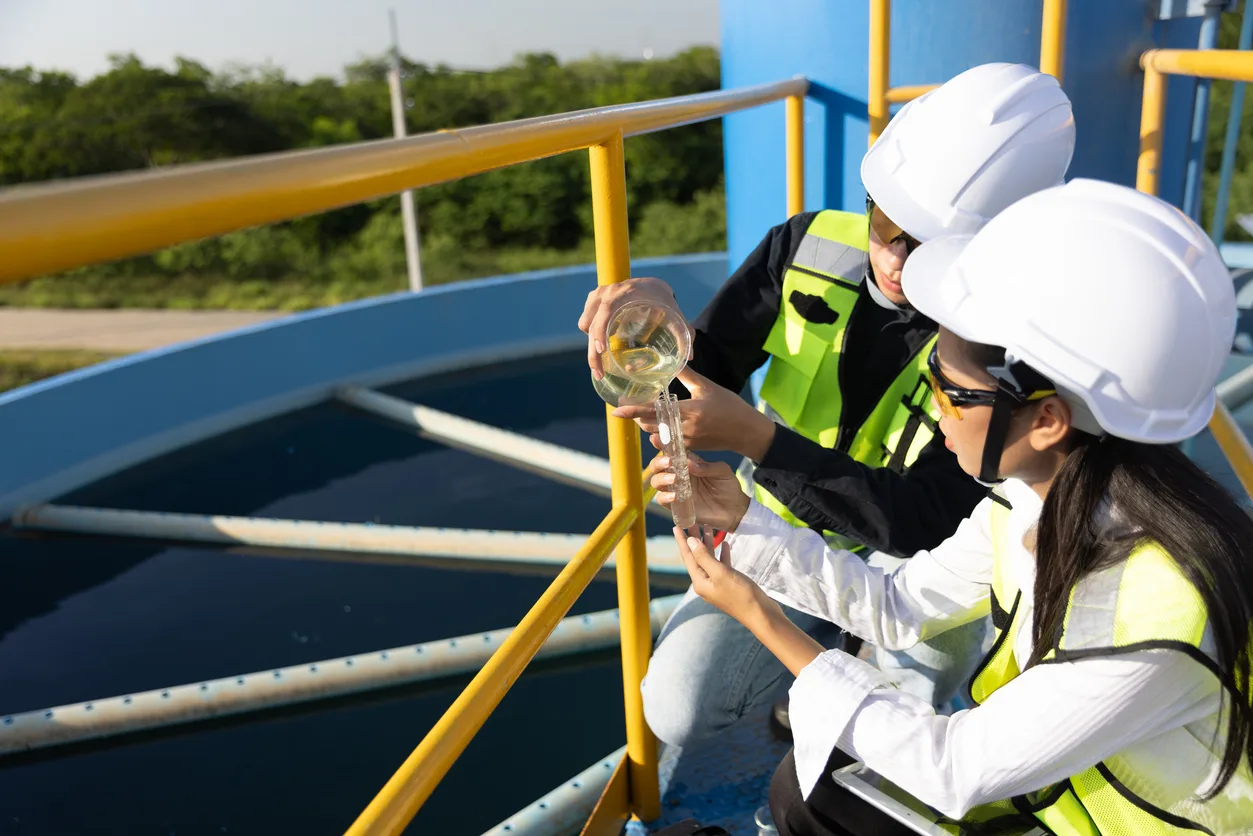
PROPER (Program Penilaian Peringkat Kinerja Perusahaan) is an environmental performance rating program developed by Indonesia’s Ministry of Environment and Forestry (KLHK). It serves as a key instrument to encourage companies to manage their environmental responsibilities responsibly and transparently.
PROPER is a national rating system that classifies a company’s environmental performance into five colors: Black, Red, Blue (Compliance), Green, and Gold (Beyond Compliance). Its purpose is not only to ensure regulatory compliance but also to encourage continuous, sustainable innovation within the industrial sector.
The Background of PROPER
The background behind the issuance of PROPER by the Ministry of Environment and Forestry (KLHK) began with the Clean River Program (PROKASIH) initiative, which was designed to improve the quality of polluted river water. PROPER was introduced in 1995 as a response to the need for greater transparency and accountability in corporate environmental management.
The program aims to evaluate and encourage companies to take greater responsibility for environmental management, as well as to increase environmental awareness among industry players and the broader public.
PROPER also embodies the principles of good governance—such as transparency, fairness, accountability, and public participation—in environmental management in Indonesia.
Why Is the PROPER 2025 Update Important?
The Ministry of Environment and Forestry (KLHK) has just released the updated PROPER 2025 criteria—the Environmental Performance Rating Program for Companies. Compared to the previous cycle, this new framework places stronger emphasis on integrated waste management, impactful social innovation, and green leadership as essential requirements to achieve the highest ratings.
- Stricter Environmental Regulations – The government aims to reduce emissions and accelerate the green economy, leading to expanded PROPER requirements across all sectors.
- Public & Investor Expectations – Transparency in ESG (Environmental, Social, Governance) performance has become a key factor in investment decisions and brand reputation.
- Global Market Competition – Environmental certifications and ratings help Indonesian companies compete in international supply chains.
Purpose of PROPER
- To evaluate how well companies comply with environmental regulations.
- To promote continuous improvement in environmental management.
- To encourage businesses to adopt sustainability practices beyond minimum compliance.
- To provide transparent information to the public about corporate environmental performance.
How PROPER Works
Key aspects of the PROPER mechanism:
1. Selection of Participating Companies
Companies that have significant environmental impacts are targeted. The number of participating companies increases each year.
2. Assessment Criteria
Companies are assessed based on several criteria, including:
- Pollution control (air, water, and waste management)
- Environmental management systems
- Resource efficiency and energy use
- Community development and social responsibility (for higher ratings)
3. Rating / Color Categories
Companies are given ratings based on colors, each representing their environmental management performance:
- Gold — exceeds compliance, innovative, and sustainable
- Green — very good (above legal compliance)
- Blue — complies with all minimum environmental legal standards
- Red — does not meet some standards / contains violations
- Black — serious violations of environmental laws (including those causing major negative environmental impacts)
4. Disclosure / Transparency
Assessment results are publicly announced — through the Ministry of Environment and Forestry (KLHK) website, press conferences, and media — allowing communities and stakeholders to know each company’s environmental performance.
5. Synergy with Other Instruments
PROPER does not replace legal sanctions (civil or criminal); it complements them. If serious violations occur, legal instruments can still be applied in parallel.
Benefits for Businesses
- Reputational pressure: Companies are more motivated to comply to achieve good ratings and avoid negative public opinion.
- Reduced environmental pollution: Studies show that PROPER has helped reduce pollution levels compared to the period before the program existed.
- Increased transparency and public participation: Information becomes accessible to the public, media, academics, and NGOs, enabling social oversight.
- Motivation for innovation: Companies aiming for “Green” or “Gold” ratings tend to adopt more advanced practices, such as water efficiency, greenhouse gas emission reduction, and hazardous waste management.