

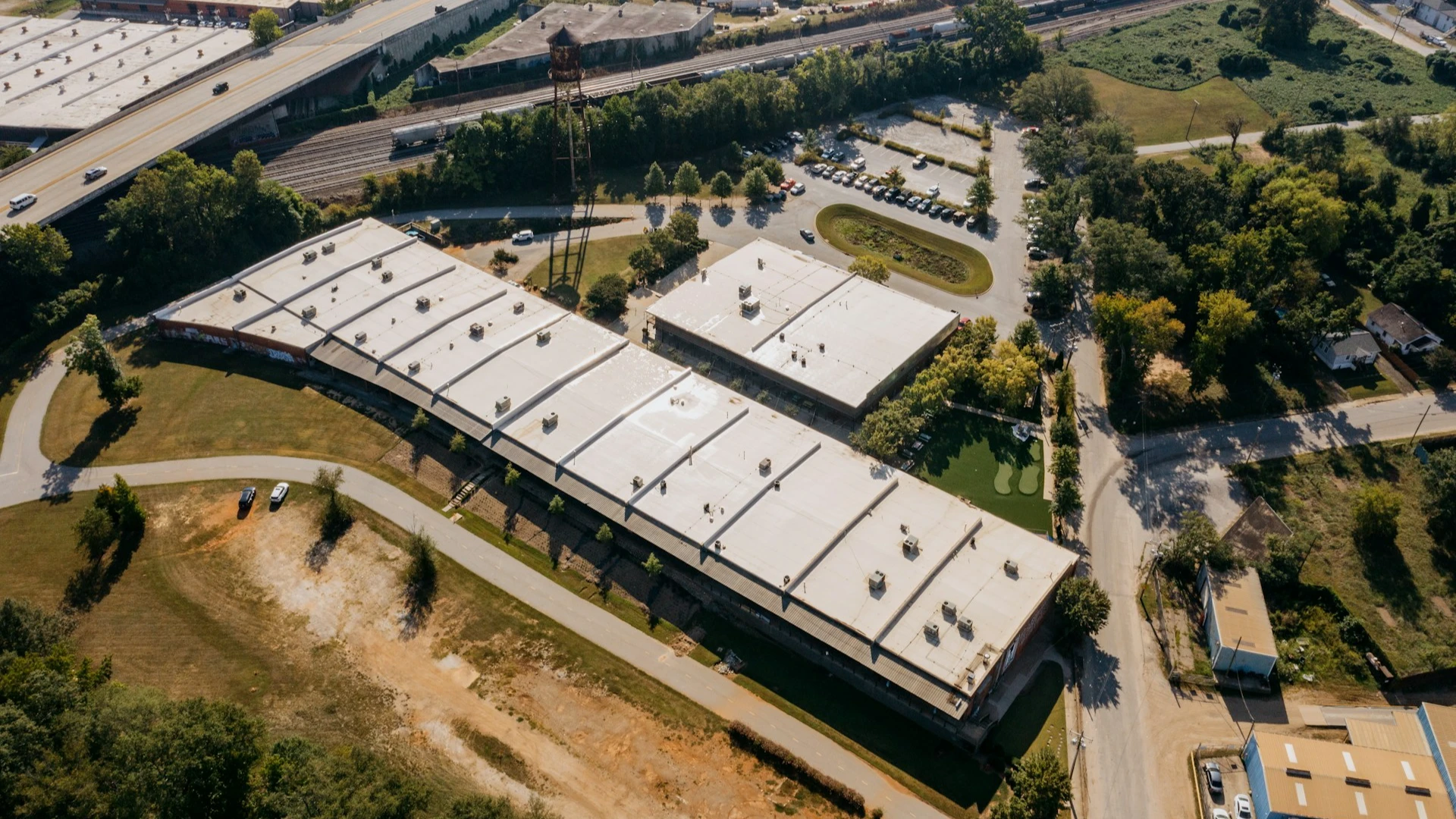
Industrial estates have become a cornerstone of modern manufacturing growth and industrial development in Indonesia. Many large companies choose to operate within these designated areas because they offer greater operational efficiency, convenient access to logistics, and an environment designed to support long-term productivity and business growth.
More than just providing dedicated space for production activities, industrial estates offer integrated infrastructure, strategic connectivity, and an investment-friendly ecosystem. Supported by essential facilities such as road networks, utilities, and shared services, these developments help streamline distribution for both domestic and international markets.
This article explains what industrial estates are and why they play an important role in Indonesia.
What Is an Industrial Estate?
An industrial estate is a designated area developed specifically for industrial activities, where infrastructure such as roads, electricity, and utility services is provided to support business operations. These estates are purpose-built to accommodate manufacturing, logistics, and a wide range of other industrial activities.
By bringing essential business infrastructure together in one location, industrial estates enable companies to improve productivity, optimize their supply chains, and expand their operations more efficiently.
Industrial estates also create a more organized business environment, helping strengthen investment growth and enhance long-term industrial competitiveness.
Read More: Industrial Estate Explained: Key Aspects to Consider for Business Growth
Why Are Industrial Estates Important in Indonesia?
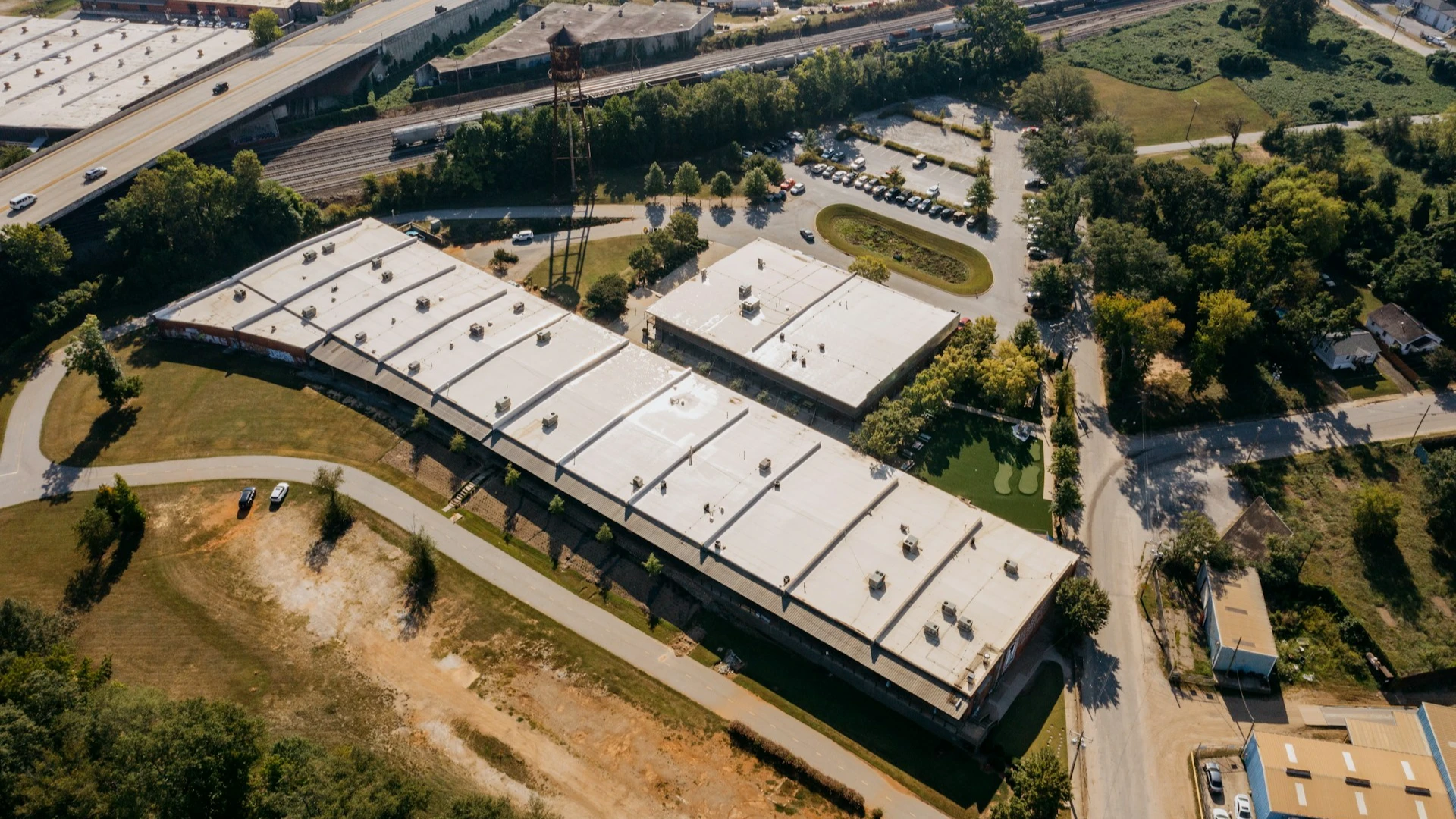
Industrial estates play a strategic role in driving Indonesia’s economic growth and strengthening the competitiveness of its industrial sector. With integrated infrastructure and locations close to ports, toll roads, and distribution centers, they help businesses improve operational efficiency.
Industrial estates also attract both domestic and international investors by offering investment convenience, reliable infrastructure, and a supportive business environment. These advantages create a more competitive investment landscape while giving companies greater confidence to expand their operations over the long term.
In addition, industrial estates generate employment opportunities, strengthen industrial supply chains, and stimulate economic activity in surrounding areas. These contributions make them one of the key pillars of Indonesia’s economic development.
How Industrial Estates Work in Indonesia
Industrial estates in Indonesia are designed as integrated business ecosystems that bring infrastructure, logistics, and distribution together in a single location. With comprehensive infrastructure and centralized management, these estates support sustainable business growth and long-term economic development.
Infrastructure, Utilities, and Shared Services
One of the main advantages of industrial estates is the availability of infrastructure and utilities that are already prepared to meet the operational requirements of businesses. They also provide shared services, including security, waste management, and logistics, helping companies improve efficiency and reduce operating costs.
Management Models and Tenant Ecosystem
Industrial estates are generally managed by dedicated development companies responsible for maintaining infrastructure, overseeing operational services, and supporting the estate’s ongoing development. Within these estates, an interconnected tenant ecosystem brings together logistics providers, raw material suppliers, and other supporting businesses.
This integrated management approach makes industrial estates an ideal solution for companies seeking sustainable long-term growth.
Where Are Indonesia’s Major Industrial Estate Regions?
Industrial estates are located across several strategic regions in Indonesia, each offering unique advantages based on its geographical and economic characteristics. These regions provide investment opportunities, reliable infrastructure, and logistics connectivity that support business expansion.
1. West Java
West Java is home to the largest concentration of industrial estates in Indonesia and remains the preferred destination for both domestic and multinational companies.
The region offers comprehensive infrastructure, direct access to toll roads, seaports, and international airports, and proximity to Jakarta, the country’s economic center, providing an additional competitive advantage.
2. Central Java
Central Java has emerged as a growing industrial destination with more competitive operating costs. Supported by a strong labor force, ongoing infrastructure development, and increasing investment activity, the region attracts companies looking to expand production capacity while maintaining cost efficiency.
3. East Java
East Java is another strategically important industrial region in Indonesia. With major seaports, well-developed transportation networks, and a strong industrial base, it is well suited for logistics-intensive businesses and heavy industries.
4. Emerging Industrial Corridors
Beyond Java, several regions across Indonesia are developing into new industrial corridors. Investments in toll roads, seaports, economic zones, and national infrastructure projects are creating new opportunities for a wide range of industries.
These emerging corridors are expected to become future centers of economic growth and strengthen Indonesia’s industrial competitiveness.
What Industries Commonly Operate in Industrial Estates?
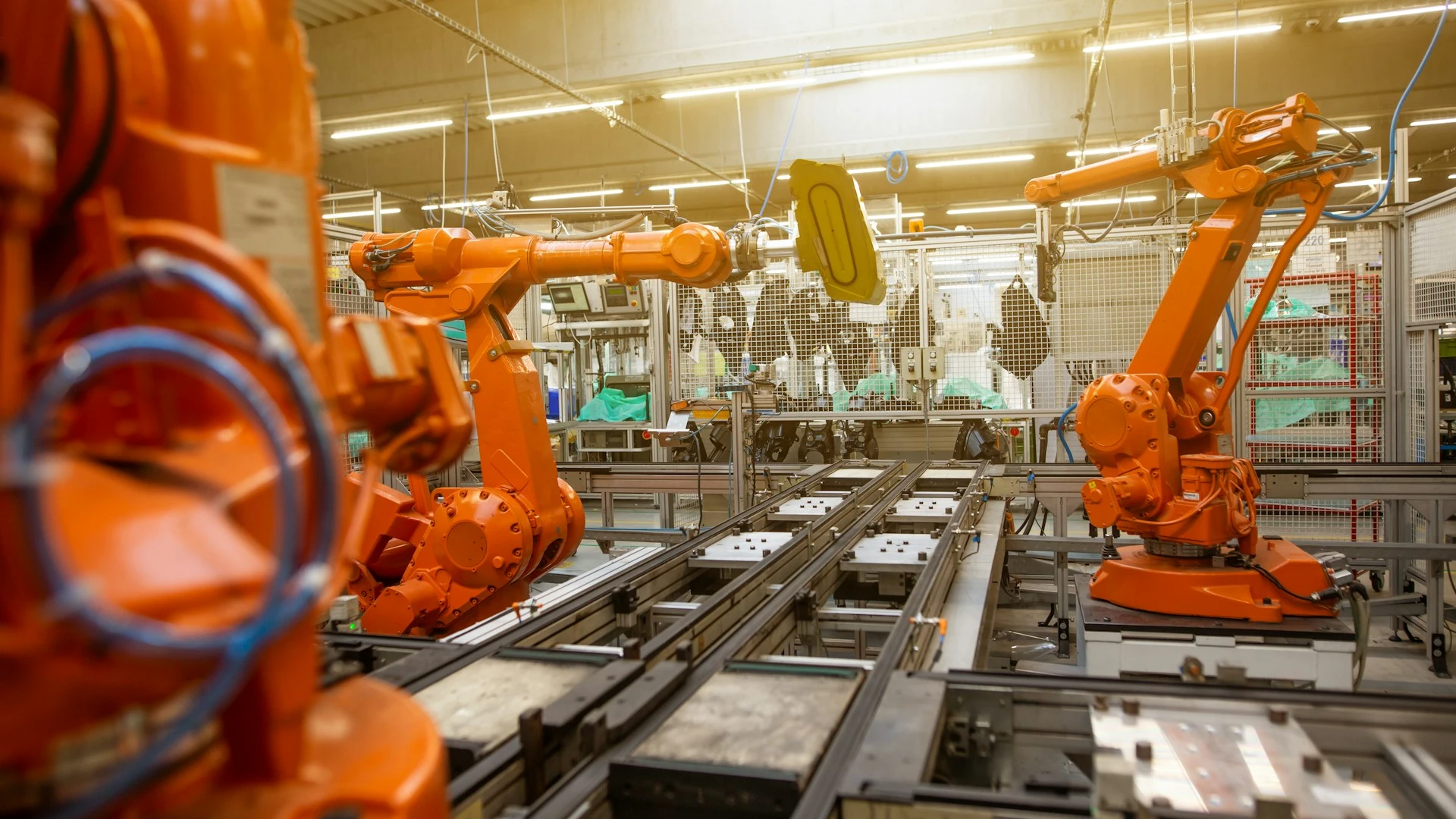
Industrial estates in Indonesia serve as hubs for a variety of strategic industries that contribute significantly to the national economy. Supported by integrated infrastructure and a well-developed business ecosystem, these estates accommodate everything from manufacturing operations to heavy industries.
1. Manufacturing
Manufacturing is the largest sector operating within Indonesia’s industrial estates. Companies use these locations to produce beverages, textiles, chemicals, pharmaceuticals, and consumer goods. Well-developed infrastructure helps make production and distribution processes more efficient.
2. Automotive and Electronics
Industrial estates located near component suppliers, logistics facilities, ports, and toll roads have helped accelerate the growth of the automotive and electronics industries. These strategic advantages enable faster and more efficient production processes.
3. Logistics and Warehousing
As trade activity continues to grow, logistics and warehousing have become essential components of industrial estates. Strategic locations support efficient storage, distribution, and supply chain management for both domestic and international markets.
4. Heavy Industry
Industrial estates also accommodate heavy industries such as steel production, cement manufacturing, and metal processing. These sectors require large land areas, high-capacity utilities, and reliable access to raw material distribution, all of which are available within industrial estates.
Why Are Industrial Estates Attractive for Investment?
Industrial estates have become a preferred destination for both domestic and international investors. As manufacturing and logistics activities continue to expand across Indonesia, these estates have evolved into investment hubs that support long-term business expansion.
1. Strong Market Potential
Indonesia has a large domestic market supported by a substantial population and a growing middle class. This creates strong demand for manufactured products, making industrial estates strategic locations for companies looking to expand their market reach.
2. Expanding Infrastructure
Infrastructure development continues across Indonesia, including toll roads, seaports, airports, and transportation and logistics networks. These improvements strengthen connectivity between industrial estates, production centers, distribution hubs, and key markets.
3. Long-Term Growth Opportunities
Industrial estates offer promising long-term investment prospects, supported by increasing investment flows, continued manufacturing expansion, and ongoing industrialization. As the business ecosystem continues to mature, companies have greater opportunities to grow and strengthen their competitiveness in both regional and international markets.
Read More: How to Choose the Best Manufacturing Location for Cost and Efficiency
Why Industrial Estates Matter for Business Growth in Indonesia
Industrial estates play a vital role in supporting business growth and industrial development in Indonesia. Through integrated infrastructure, strategic connectivity, and collaborative business ecosystems, they enable companies to improve operational efficiency while strengthening their competitive position.
They also contribute to job creation, stronger supply chains, and national economic growth. As Indonesia’s industrial sector continues to expand, industrial estates remain a key foundation for building a more modern, competitive, and sustainable economy.
For businesses looking to establish or expand their presence in Indonesia, selecting an experienced estate developer is equally important. Suryacipta has decades of experience developing world-class industrial environments that support manufacturers, logistics providers, and global investors.
Through Subang Smartpolitan, businesses can access an integrated industrial estate in West Java featuring Industry 4.0-ready infrastructure, excellent connectivity to Patimban Port, Kertajati International Airport, and the Trans Java Toll Road, as well as a smart ecosystem designed for future manufacturing.
Together, these facilities help businesses improve operational efficiency and create opportunities for sustainable, long-term growth.
Visit Suryacipta’s official website or explore Subang Smartpolitan, an integrated industrial estate designed to support modern industries and long-term business development.
FAQ
1. What is an industrial estate?
An industrial estate is a planned area developed for manufacturing, logistics, and other industrial activities. It provides integrated infrastructure, utilities, and estate management, allowing businesses to operate more efficiently while meeting operational and regulatory requirements.
2. Why do many manufacturers choose industrial estates in Indonesia?
Industrial estates offer reliable infrastructure, strong transportation access, and business support services that simplify operations. These advantages help manufacturers improve efficiency, reduce logistics challenges, and support long-term business growth.
3. Which region is best for establishing an industrial estate in Indonesia?
The right location depends on your industry and business goals. West Java remains one of Indonesia’s leading industrial regions due to its established manufacturing ecosystem, strategic connectivity, and ongoing infrastructure development, while emerging areas like Subang continue attracting new investment.
4. What industries commonly operate within Indonesian industrial estates?
Industrial estates accommodate various sectors, including manufacturing, automotive, electronics, logistics, food processing, chemicals, and heavy industry. Many estates encourage industrial clustering, making collaboration and supply chain integration more efficient.
5. How do I choose the right industrial estate for my business?
Consider factors such as location, transportation access, infrastructure quality, workforce availability, expansion potential, and the developer’s experience. A well-managed industrial estate can provide greater operational efficiency and support your business as it grows.