

Buying land in Indonesia can offer long-term opportunities for businesses looking to expand their operations, support industrial development, and strengthen investment growth. However, do you know the right steps to minimize legal risks and ensure the land you purchase supports your business objectives?
Choosing land in Indonesia involves more than selecting a strategic location. It also requires a clear understanding of market potential and legal requirements, as well as thorough due diligence before completing a transaction.
Verifying legal status, confirming ownership, and reviewing all required permits are essential steps to reduce risk while maximizing the potential for secure, profitable, and sustainable investment.
Why Buy Land in Indonesia?
Indonesia has become one of Southeast Asia’s leading destinations for business investment and expansion, driven by rising investment activity, ongoing infrastructure development, and growth in the industrial and manufacturing sectors. These factors have made land a strategic asset for business development.
For investors and businesses, purchasing land can be a strategic move to support long-term expansion. In addition, land ownership offers the potential for capital gain as surrounding areas continue to develop and demand for strategically located land increases.
Growing Demand for Industrial, Commercial, and Logistics Land
Demand for industrial, commercial, and logistics land continues to rise alongside increasing domestic and foreign investment in Indonesia. According to the Ministry of Investment and Downstream Industry/Indonesia Investment Coordinating Board (BKPM), the country’s investment realization reached IDR 1,931.2 trillion in 2025, reflecting strong investment activity that continues to drive demand for land across a wide range of business sectors.
Long-Term Value and Strategic Growth Areas
Land is an asset with strong long-term appreciation potential, particularly in areas that are evolving into industrial, commercial, and government centers. By selecting locations supported by infrastructure development and strong economic prospects, investors can maximize the long-term value of their investments.
Read More: Industrial Estate Explained: Key Aspects to Consider for Business Growth
What Should You Know about Land Ownership in Indonesia?
Before purchasing land in Indonesia, investors and businesses should understand the legal framework governing land ownership and land use. Familiarity with Indonesia’s land titles and ownership regulations helps ensure transactions comply with applicable laws while minimizing future legal risks.
Main Land Titles in Indonesia
Indonesia recognizes several types of land titles, including:
- Hak Milik (HM) or the Right of Ownership, full ownership rights available exclusively to Indonesian citizens.
- Hak Guna Usaha (HGU) or the Right to Cultivate, typically used for plantation and agricultural activities.
- Hak Guna Bangunan (HGB) or Building Use Rights, allowing individuals or companies to construct and own buildings on land they do not own.
- Hak Pakai or The Right to Use, which grants the right to use and benefit from land controlled by the state or another party.
- Hak Sewa or Leasehold, allowing land use for a specified period under a lease agreement.
The appropriate land title should be selected based on the land’s intended use and the investor’s ownership status.
Foreign Ownership and Land Use Rights
Under Indonesian law, foreign individuals cannot own land under the Right of Ownership. However, foreign individuals and foreign-owned companies can legally acquire land use rights through arrangements such as Building Use Rights, the Right to Use, or other legally recognized cooperation schemes in accordance with applicable regulations.
What Are the Key Steps When Buying Land in Indonesia?
Buying land in Indonesia requires a structured process to ensure the transaction is both legally compliant and secure. In general, the process includes land verification, due diligence, negotiations, document preparation, and the completion of the transaction through a notary or a Land Deed Official (PPAT).
These steps help minimize the risk of disputes, confirm the legal status of the land, and protect the long-term value of your investment.
1. Land Verification and Due Diligence
Before proceeding with a purchase, verify ownership and ensure the land has a clear legal status. Buyers should review the land certificate, verify the owner’s identity, examine the ownership history, and confirm that the land is free from disputes and legal encumbrances.
As mentioned in Smart Advisory Solution, these steps help protect buyers from fraud, costly mistakes, and potential investment losses.
2. Transaction and Legal Documentation
Once the verification process is complete, the next step is preparing the transaction documents, including the sale and purchase agreement and all required administrative documents. The primary legal document is the Deed of Sale and Purchase (AJB), which must be prepared by a Land Deed Official (PPAT).
Buyers should also carefully review the agreement, payment schedule, tax obligations, and transaction security arrangements. Payments should be made through secure, well-documented methods, such as bank transfers or, when appropriate, an escrow account. All transaction documents should be retained as part of your legal protection and investment records.
How to Choose the Right Land for Your Business?
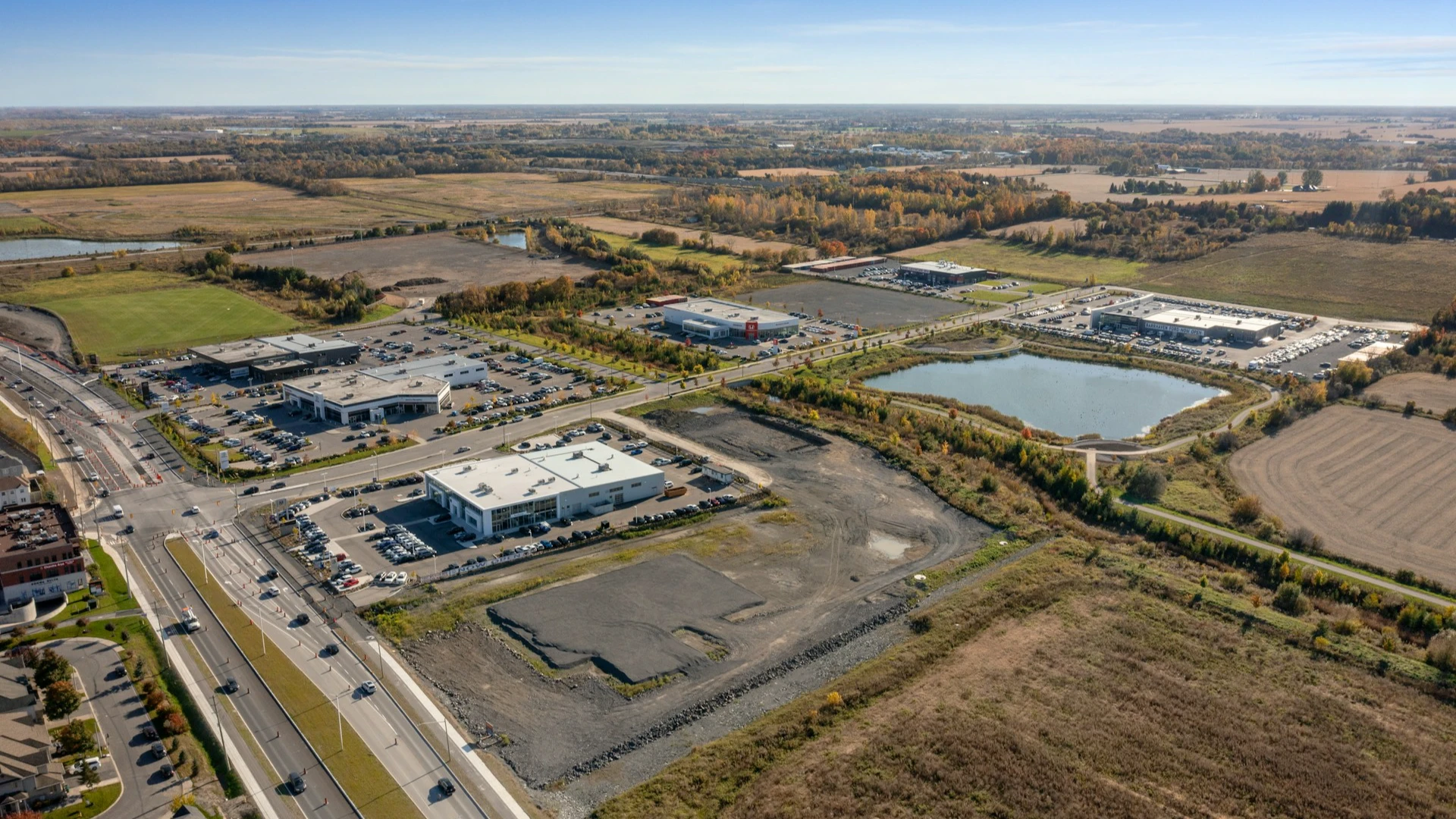
Selecting the right land is a critical step toward long-term business success. Beyond the purchase price, buyers should evaluate whether the land is suitable for its intended use, assess its location and access to infrastructure, and consider the area’s future development potential to maximize investment value.
1. Land Suitability for Business Operations
Make sure the land is appropriate for your intended business activities, whether for industrial, commercial, or logistics purposes. Review zoning regulations, the site’s physical condition, land size, and the availability of utilities, including electricity, water, and telecommunications, to support efficient day-to-day operations.
2. Location and Connectivity
Location is one of the most important factors affecting both operational efficiency and long-term investment value. Choose land with convenient access to toll roads, seaports, airports, industrial hubs, and emerging economic corridors. Strong connectivity helps accelerate distribution, reduce logistics costs, and support future business growth.
What Risks Should Buyers Watch Out For?
Buying land can be a rewarding investment, but it also involves potential risks if the acquisition process is not handled carefully. Understanding these challenges from the outset helps investors make better-informed decisions and avoid unnecessary losses.
1. Legal and Ownership Issues
One of the biggest risks in land transactions involves legal and ownership issues. These may include invalid land certificates, ownership disputes, or land that does not comply with applicable zoning regulations. Conducting thorough document verification before completing the transaction is essential.
2. Working with Trusted Advisors
Working with legal advisors or experienced property professionals can help ensure every stage of the transaction complies with applicable regulations. Professional guidance minimizes administrative risks, provides greater legal certainty, and supports both negotiations and document preparation.
Read More: Industrial Estates in Indonesia: How They Work and Why They Matter
Why Strategic Land Selection Matters for Long-Term Growth
Understanding how buying land in Indonesia works is the first step toward making a successful long-term investment. The success of a land acquisition depends not only on price but also on careful planning, legal certainty, and selecting the right location.
By conducting comprehensive due diligence, understanding Indonesia’s land regulations, and choosing locations with strong economic growth potential, investors can reduce risk while maximizing long-term investment value.
For companies seeking land for industrial, commercial, or logistics development, locations supported by integrated infrastructure and a well-established business ecosystem offer significant advantages.
Suryacipta provides an integrated industrial estate with strategic access, high-quality infrastructure, and a business environment designed to support sustainable long-term growth. Through Subang Smartpolitan, businesses can access strategically located industrial land in West Java within an integrated smart and sustainable development.
With Industry 4.0-ready infrastructure, excellent connectivity to Patimban Port, Kertajati International Airport, and the Trans Java Toll Road, Subang Smartpolitan provides an ideal environment for manufacturers and logistics companies seeking long-term growth.
Visit Suryacipta to learn how Subang Smartpolitan can support your next business expansion in Indonesia.
FAQ
1. Can foreign companies buy land in Indonesia?
Foreign companies generally cannot own freehold land directly in Indonesia. However, foreign-owned companies established under Indonesian law can obtain land use rights, such as Hak Guna Bangunan (HGB), or Building Use Rights, which allow them to legally develop and operate business facilities in accordance with applicable regulations.
2. What should businesses check before buying land in Indonesia?
Before purchasing land, businesses should verify ownership status, zoning compliance, land boundaries, and any existing legal disputes. Conducting due diligence through the National Land Agency (BPN) and working with qualified legal professionals can help minimize potential risks.
3. Why is location important when buying industrial land?
Location directly affects logistics efficiency, workforce accessibility, supplier connectivity, and future expansion opportunities. Land near major highways, ports, airports, and established industrial corridors can improve operational performance and strengthen long-term competitiveness.
4. Is buying land inside an industrial estate a good option?
For many manufacturers and logistics companies, purchasing land within an industrial estate offers significant advantages. Businesses benefit from ready-to-use infrastructure, professional estate management, shared utilities, and a business ecosystem designed to support efficient industrial operations.
5. How can businesses reduce risks during land acquisition?
Working with experienced legal advisors, licensed notaries, and reputable industrial estate developers is one of the most effective ways to reduce transaction risks. Professional guidance helps ensure the land has clear legal status, complies with regulations, and is suitable for your intended business activities.