


What Fiscal and Non-Fiscal Incentives Are Available for Factory Investment in Indonesia?
July 31, 2026
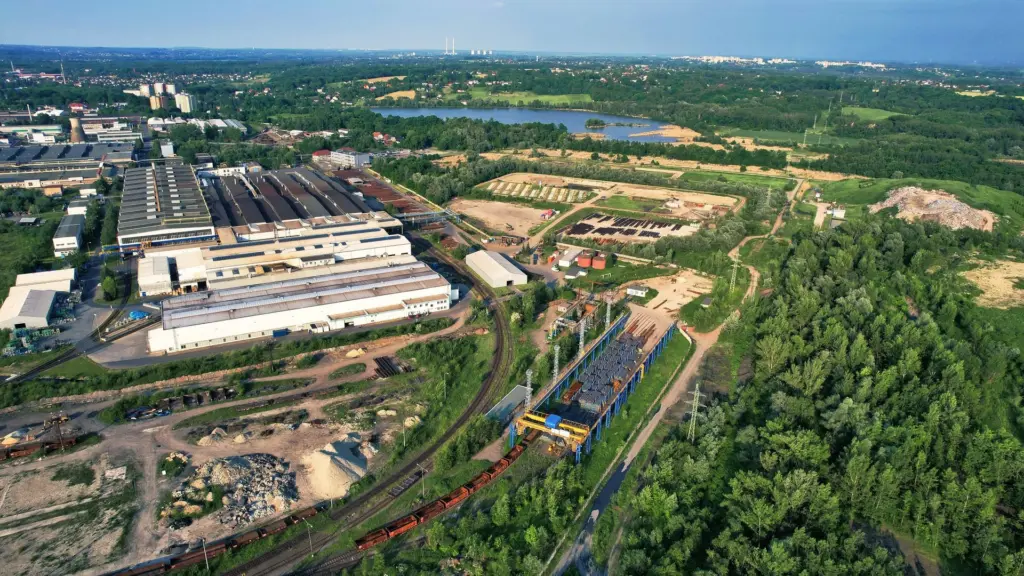
As Southeast Asia continues to attract global supply chain diversification, Indonesia has introduced a range of government-backed incentives to encourage companies to establish or expand manufacturing facilities.
These incentives are designed to lower initial investment costs, accelerate project implementation, and improve long-term business competitiveness. By reducing tax burdens and simplifying administrative procedures, businesses can allocate more resources to production capacity, technology adoption, and operational growth.
Understanding the fiscal and non-fiscal incentives available in Indonesia is therefore an important step before making any factory investment decision. The following guide explains the key incentives available and how they support manufacturing projects.
Why Does Indonesia Offer Investment Incentives for Factory Development?
Indonesia offers investment incentives as part of its long-term strategy to accelerate economic growth, create quality employment opportunities, and strengthen the country’s manufacturing sector.
As competition for foreign direct investment intensifies across Southeast Asia, the government continues to improve its investment climate through various financial and administrative support programs.
Such investment incentive policies are specifically designed to encourage both domestic and foreign investment in strategic industries. These incentives support industrial modernization, reduce dependence on imported products, and strengthen the country’s long-term economic resilience.
Read More: What Types of Land Titles Are Available in Indonesia?
What Are Fiscal Incentives for Factory Investment?
Fiscal incentives are financial benefits provided by the Indonesian government to reduce the cost of investment and business operations. These incentives mainly take the form of tax reductions, exemptions, and customs facilities for qualifying industries and investment projects.
The following are major fiscal incentives available to factory investors.
1. Tax Holiday
A tax holiday is a corporate income tax exemption granted to pioneer industries that meet specific investment requirements.
Depending on the investment value and industry classification, eligible companies may receive up to a 100% corporate income tax reduction for a period ranging from 5 to 20 years, subject to prevailing government regulations.
2. Tax Allowance
A tax allowance provides additional tax deductions for investments made in designated industries or regions under the Government Regulation No. 78 of 2019.
Companies receiving tax allowances may benefit from:
- Tax deductions of up to 30% of the total investment value.
- Accelerated depreciation and amortization.
- Extended loss carry-forward periods.
- Reduced withholding tax on dividends paid to overseas taxpayers.
3. Super Tax Deduction
The Super Tax Deduction scheme allows companies to claim tax deductions that exceed their actual expenditure for specific qualifying activities. This program includes:
- Up to 200% gross income deduction for companies providing vocational education and apprenticeship programs.
- Up to 300% gross income deduction for companies conducting domestic research and development (R&D) activities.
These incentives encourage workforce development and innovation while supporting Indonesia’s industrial transformation.
4. Import Duty Exemptions
The Indonesian government also provides exemptions or reductions on import duties for machinery, production equipment, and raw materials used during factory construction and manufacturing operations.
These facilities may be applied for up to two years, significantly reducing capital expenditure during the initial investment stage.
5. VAT Facilities
Certain strategic goods and industrial equipment may qualify for Value Added Tax (VAT) exemptions or non-collected VAT treatment. These facilities are particularly beneficial for manufacturers importing advanced production machinery and technology required for industrial operations.
What Are Non-Fiscal Incentives for Factory Investment?
While fiscal incentives reduce financial costs, non-fiscal incentives improve the overall investment experience by simplifying administrative procedures and providing operational support.
These incentives help businesses establish factories more efficiently while reducing project implementation risks.
1. Simplified Licensing and Permits
Indonesia has introduced the Online Single Submission Risk-Based Approach (OSS-RBA) system to streamline licensing procedures.
Through a centralized online platform, investors can process business licenses, environmental approvals, spatial conformity documents, and building permits with greater transparency and shorter processing times.
2. Industrial Land Access
The government facilitates easier access to industrial land within designated industrial parks and strategic development zones.
Investors also benefit from greater legal certainty regarding land titles, particularly through Hak Guna Bangunan or Building Use Rights, which provide long-term land use rights suitable for commercial and industrial development.
3. Infrastructure Support
Indonesia continues to invest heavily in industrial infrastructure by connecting industrial zones with toll roads, international seaports, airports, and logistics corridors.
This integrated infrastructure reduces transportation costs, improves supply chain efficiency, and enhances export competitiveness.
Read More: How Do You Build a Factory in Indonesia?
Which Industries Benefit Most from Investment Incentives?
Indonesia prioritizes incentives for industries that generate significant economic value, create employment, and strengthen domestic supply chains. The following sectors commonly receive substantial government support.
1. Manufacturing
Manufacturing industries, including automotive, electronics, machinery, and industrial equipment, receive significant incentives to encourage Industry 4.0 adoption and increase production competitiveness.
2. Downstream Processing
Indonesia strongly supports downstream processing industries that convert natural resources such as nickel, copper, and bauxite into higher-value products.
These industries benefit from tax incentives and government support aimed at increasing export value and strengthening domestic processing capabilities.
3. Export-Oriented Industries
Manufacturers that primarily serve international markets may access bonded zone facilities, customs incentives, and import duty refunds that enhance export competitiveness.
4. High-Value Industrial Sectors
Strategic sectors such as pharmaceuticals, renewable energy, semiconductor components, and advanced manufacturing are prioritized to enhance Indonesia’s industrial independence and technological capabilities.
How Do Incentives Support Factory Investment Decisions?
Fiscal and non-fiscal incentives directly improve the financial feasibility of manufacturing projects.
Lower corporate taxes, customs exemptions, and accelerated licensing reduce upfront investment costs while shortening project implementation timelines. These benefits improve internal rates of return (IRR) and reduce payback periods, making investment projects more financially attractive.
Locating a factory within a modern industrial park further strengthens these advantages by providing ready infrastructure, legal certainty, and integrated government support. Together, these factors reduce operational uncertainty and help businesses expand with greater confidence.
Read More: What to Know Before Purchasing Land in an Industrial Park?
Why Incentives Matter When Building a Factory in Indonesia
Understanding Indonesia’s fiscal and non-fiscal incentive framework enables investors to optimize investment costs and accelerate factory development.
Companies that fully utilize available tax facilities, licensing support, and infrastructure advantages are often better positioned to improve operational efficiency and maintain long-term competitiveness in regional markets.
For businesses seeking industrial land in Indonesia, Suryacipta offers a comprehensive solution through Subang Smartpolitan, a 2,700-hectare smart, green, and sustainable city located within the West Java Industrial Corridor.
As one of Indonesia’s leading integrated industrial developments, Subang Smartpolitan combines IoT-enabled infrastructure with direct connectivity to the Trans-Java Toll Road, Patimban Seaport, Kertajati International Airport, and the future Jakarta–Surabaya High-Speed Railway.
Designed to support advanced manufacturing and modern industrial operations, the development provides ready-to-build industrial land, reliable infrastructure, and a fully integrated ecosystem that helps businesses improve productivity while reducing operational complexity.
If you are planning your next manufacturing investment, exploring industrial opportunities at Subang Smartpolitan could provide the strategic location, government-supported ecosystem, and long-term growth potential your business needs.
Learn more about Suryacipta and discover how the right industrial park can support your expansion plans in Indonesia.