


What to Know Before Purchasing Land in an Industrial Park?
July 31, 2026
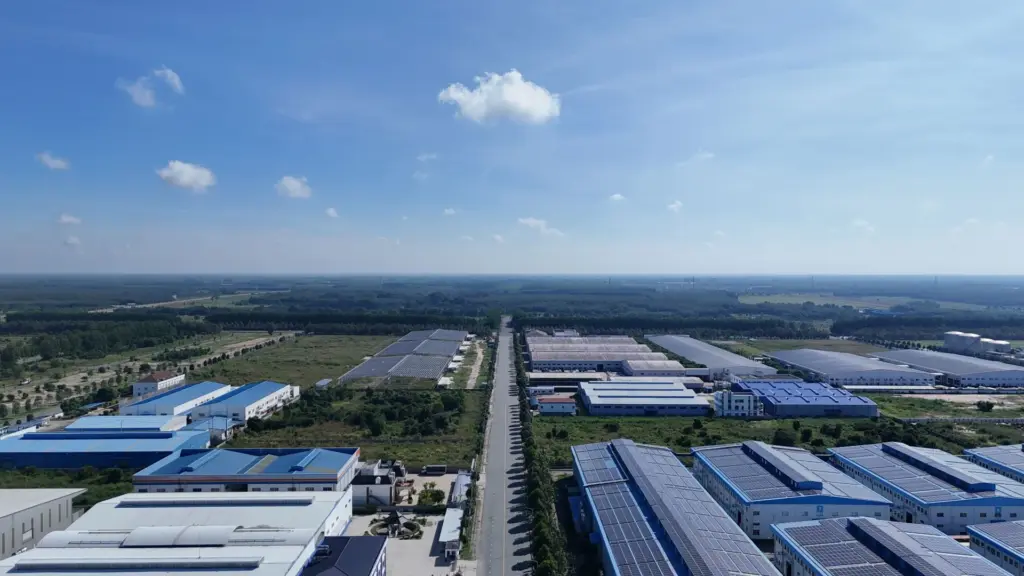
Before acquiring industrial land, businesses should conduct a comprehensive evaluation covering legal compliance, permits, infrastructure readiness, workforce availability, financial planning, and transportation connectivity. Understanding these factors helps reduce investment risks and ensures the site can support future business expansion.
What should you consider before purchasing industrial land in Indonesia? The following sections outline the key factors every investor should evaluate before making this important decision.
Why Is Due Diligence Important Before Purchasing Industrial Land?
Due diligence is one of the most important steps when acquiring industrial property. It helps businesses identify potential legal risks, ownership disputes, zoning issues, and other factors that could affect future operations before significant capital is invested.
Evaluating both the physical condition and legal status of industrial land is essential to avoid regulatory issues that could delay or even halt manufacturing activities. By conducting thorough due diligence, businesses can minimize legal disputes and make more informed investment decisions.
Read More: What Types of Land Titles Are Available in Indonesia?
What Should Businesses Evaluate Before Purchasing Land in an Industrial Park?
Selecting industrial land involves much more than choosing a suitable location. Before making a purchase, businesses should carefully review several critical factors that influence both operational efficiency and long-term investment value.
1. Land Title and Legal Status
First, verify that the property is located within an officially designated industrial park rather than a residential or protected area.
The land title should also be carefully examined. Confirm that certificates, such as Building Use Rights or the Right of Cultivation, are valid and that all required environmental approvals, including the Environmental Impact Assessment (EIA) where applicable, are in place to ensure full legal compliance.
2. Zoning and Land Use Regulations
Every industrial estate operates under specific land-use regulations. Make sure the property is legally designated for your intended manufacturing or industrial activities.
Purchasing land that does not comply with zoning regulations can result in licensing difficulties and costly project delays.
3. Infrastructure Availability
Reliable infrastructure is essential for manufacturing operations. Evaluate whether the industrial park provides
- stable electricity,
- sufficient water supply,
- telecommunications networks,
- wastewater treatment systems, and
- other utilities
required to support continuous production while meeting environmental standards.
4. Logistics and Connectivity
Efficient logistics directly affect supply chain performance. Industrial parks should offer convenient access to major toll roads, international airports, seaports, suppliers, and customers.
Strong transportation connectivity helps reduce logistics costs while improving delivery speed and operational efficiency.
5. Land Size and Expansion Potential
Your current operational needs may differ significantly from future requirements. Purchasing a site with adequate room for future expansion helps businesses avoid expensive relocation costs as production capacity grows.
When evaluating land, therefore, consider both present facility requirements and long-term business expansion plans.
What Costs Should Be Considered Beyond Land Purchase?
The purchase price represents only one component of the overall investment. Businesses should also prepare for several additional costs that may significantly affect the total project budget.
1. Construction Costs
Factory construction costs largely depend on site conditions. Land with poor soil conditions may require specialized foundation work, considerably increasing construction expenses before building work can begin.
2. Utility Setup Costs
Companies should also account for the cost of developing essential infrastructure required to support industrial operations. This typically includes high-voltage power systems, water supply, telecommunications networks, production equipment, and other critical operational facilities.
Depending on the scale and complexity of the project, these infrastructure investments can represent a significant portion of the total development cost. Incorporating them into the initial project planning helps businesses establish a more accurate budget and supports a smoother facility development process.
3. Operational and Maintenance Costs
In addition to upfront development costs, businesses should also consider ongoing operational expenses throughout the facility’s lifecycle. These may include utility charges, water and wastewater services, equipment maintenance, energy consumption, and other operational support costs.
Read More: How Do You Build a Factory in Indonesia?
What Risks Should Buyers Watch Out For?
Acquiring industrial land often entails risks that extend beyond the land’s physical characteristics. Identifying these issues early helps reduce delays and unexpected costs.
1. Legal Issues
Land ownership disputes, overlapping claims, or delays in obtaining construction permits are among the most common legal challenges.
Businesses should verify that the land has a clear legal status before purchasing industrial land to minimize future legal complications.
2. Infrastructure Limitations
Infrastructure readiness plays a critical role in maintaining project schedules. Evaluating the availability of road access, power, water, and other essential utilities before purchase helps businesses minimize implementation delays and support a more efficient transition to commercial operations.
3. Hidden Costs
Certain expenses are frequently overlooked during the planning stage. These may include land acquisition taxes, notary fees, environmental administration charges, and monthly estate management or maintenance fees imposed by industrial park operators.
Why Location Matters When Buying Industrial Land
The location of an industrial park directly impacts manufacturing efficiency, supply chain performance, and long-term competitiveness. A strategically located industrial park offers several important advantages:
- Improved supply chain efficiency by reducing transportation costs through closer proximity to suppliers.
- Better access to skilled labor, making recruitment and workforce development easier.
- Faster distribution to domestic and international markets through strong transportation infrastructure.
According to Indonesia’s Ministry of Agrarian Affairs and Spatial Planning/National Land Agency (ATR/BPN), as of June 2025, approximately 90% of designated industrial land across Indonesia remains available for development.
In Sumatra, only about 13,000 hectares (7%) of the allocated 185,412 hectares have been utilized. On Java Island, around 34,000 hectares (9.75%) of the available 350,539 hectares are currently in use.
These figures indicate that businesses still have significant opportunities to secure strategically located industrial land in Indonesia before demand continues to grow.
Read More: What Fiscal and Non-Fiscal Incentives Are Available for Factory Investment in Indonesia?
How to Choose the Right Industrial Park for Long-Term Growth
Purchasing industrial land is a long-term commitment that influences your company’s future operational efficiency, scalability, and competitiveness. Conducting thorough due diligence, evaluating infrastructure quality, understanding legal requirements, and selecting a strategic location all contribute to a more successful investment.
For businesses seeking a future-ready industrial land in Indonesia, Subang Smartpolitan offers a compelling solution. Developed by Suryacipta, this 2,700-hectare smart, green, and sustainable city is strategically located in the heart of the West Java Industrial Corridor and serves as a key development within the Rebana Metropolitan initiative.
Subang Smartpolitan integrates industrial, commercial, residential, educational, and lifestyle facilities into one connected ecosystem. This industrial park features IoT-enabled infrastructure designed to support advanced manufacturing, improve productivity, and enhance operational efficiency.
Explore how Subang Smartpolitan by Suryacipta can help you establish your next manufacturing facility in one of Indonesia’s most promising industrial destinations.