


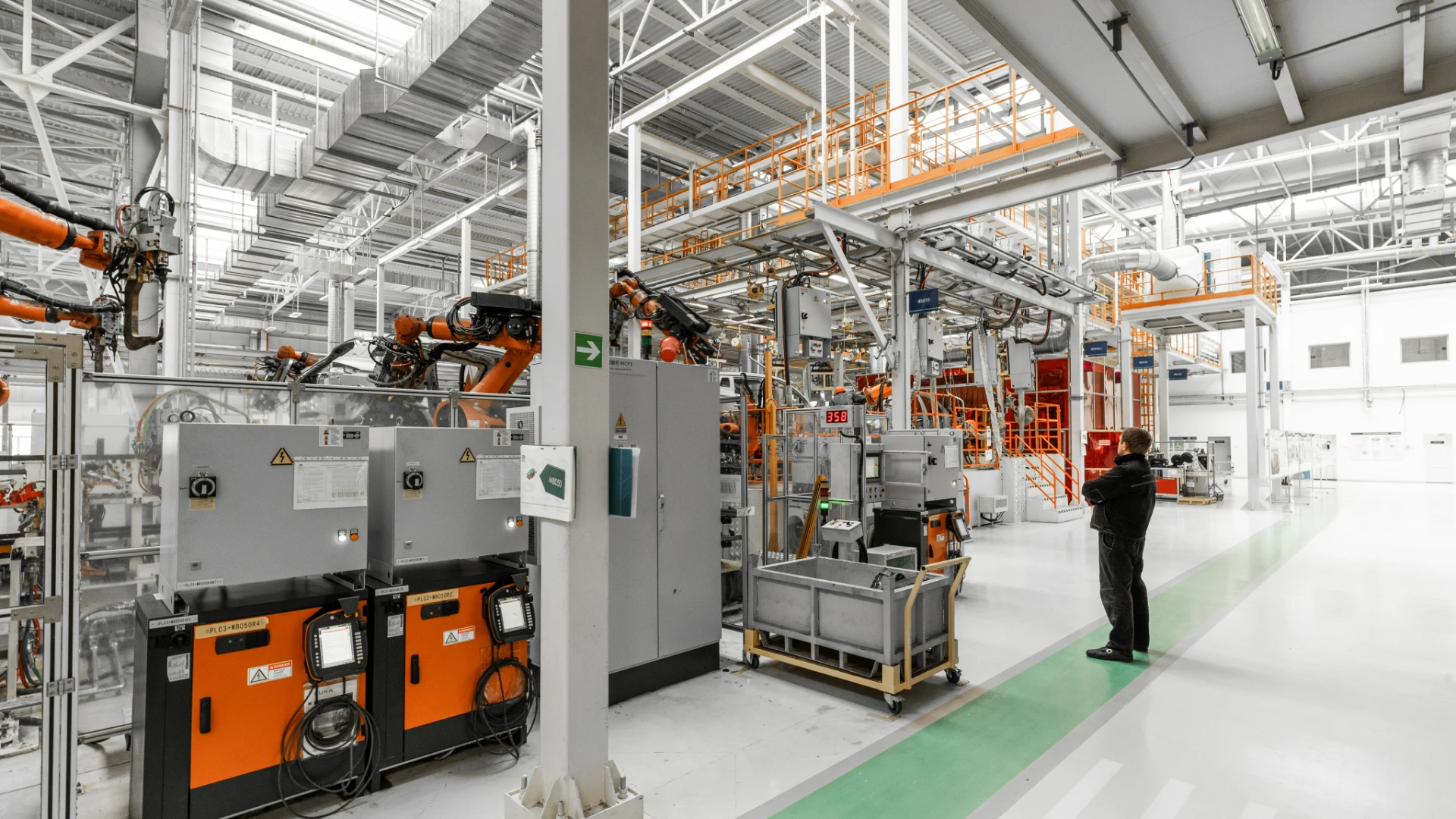

Manufacturing costs directly impact profitability and market positioning in today’s economy. Rising expenses across production, labor, and logistics create pressure on margins, particularly for companies operating in high-volume sectors. To reduce manufacturing costs effectively, you need to understand where expenses accumulate and implement strategies that address root causes without compromising quality.
The challenge becomes more acute when supply chains extend across multiple regions, each adding layers of overhead that erode your bottom line. Understanding where costs accumulate and how to systematically address them separates thriving manufacturers from those struggling to stay viable. This article walks you through practical strategies that help you reduce manufacturing costs without sacrificing operational capability.
Proven Strategies to Reduce Manufacturing Costs and Improve Efficiency
Every manufacturing operation has waste embedded in its processes. Identifying and removing these inefficiencies forms the foundation of cost reduction. The following approaches target the most common cost drivers on the production floor.
Waste typically appears in three forms: overproduction, idle time, and unnecessary movement. Overproduction ties up capital in inventory that may never sell. Idle time occurs when machines sit between jobs or workers wait for materials. Unnecessary movement wastes labor hours without adding value. Addressing each of these areas yields measurable savings.
To systematically eliminate waste, map your current production flow to spot bottlenecks and redundant steps. Remove non-value-added activities that consume time and resources. Standardize repetitive tasks to reduce variation and rework. Train production teams to identify waste as part of daily work. Create feedback loops so workers can suggest improvements.
These actions create a leaner operation that produces more output with fewer inputs, directly lowering your cost per unit.
Upgrading machinery also deserves attention. Older equipment consumes more energy, requires frequent repairs, and often produces lower quality output. Modern machines operate at higher efficiency rates and demand less maintenance. While the upfront capital expense seems substantial, the reduction in energy bills, spare parts costs, and labor hours for repairs typically pays back the investment within 3 to 5 years.
Read also: Manufacturing Efficiency Explained: How to Boost Production for Higher Output
Optimize Supply Chain Operations for Better Margins

Your supply chain represents a second major lever for cost reduction. How you source materials, manage inventory, and transport goods directly affects overhead and profitability. Supply chain optimization often yields faster results than production floor changes because the costs sit closer to the surface.
Strategic Supplier Consolidation
Consolidating your supplier base strengthens your negotiating position. When you split purchases across many vendors, each receives a small order and charges a higher per-unit price. Concentrating volume with fewer suppliers unlocks volume discounts that compound quickly. Working with fewer suppliers also streamlines communication and allows deeper partnerships. You gain priority during supply shortages, negotiated pricing on larger volumes, and better terms on payment schedules. These relationships improve quality consistency, reducing the rework and scrap that drain profitability.
Just-In-Time Inventory Management
Just-in-time inventory systems minimize the cash tied up in stock. Rather than holding months of inventory, you receive materials as needed for production. This reduces storage costs, decreases risk of obsolescence, and frees capital for other investments. Timing deliveries to match production schedules eliminates warehouse overhead. You reduce labor costs for material handling, lower insurance premiums on stored goods, and free up valuable floor space for production expansion. The savings accumulate across every product manufactured.
Transport Hub Proximity
Facility location influences transportation costs significantly. Locating near key transport hubs, ports, or major customer centers reduces freight expenses. Positioning your facility near established logistics networks cuts freight costs substantially. Shared transportation services, consolidated shipments, and lower drayage fees all benefit manufacturers located in strategic zones. Access to multiple transportation modes also provides redundancy that protects against supply disruptions.
Read also: Patimban Port: How It Works and Why It Matters
How Subang Smartpolitan Helps Reduce Manufacturing Costs
Reducing manufacturing costs begins with selecting a facility location designed to address your operational and financial pressures. Subang Smartpolitan offers integrated infrastructure built specifically to lower production expenses, streamline logistics, and stabilize utility costs from day one.
Strategic positioning near West Java’s major transport corridors connects your facility directly to ports, highways, and regional distribution networks. This proximity minimizes freight times and reduces logistics expenses while maintaining supply chain reliability. World-class infrastructure, including high-capacity electricity, clean water supply, and advanced fiber optic networks, ensures utilities remain stable and predictable, eliminating unexpected cost fluctuations that strain budgets.
Smart township facilities at Subang Smartpolitan incorporate IoT monitoring and automation systems that track utility consumption and operational performance in real time. This visibility allows you to detect inefficiencies immediately and adjust processes to lower per-unit costs. Integrated waste management systems reduce disposal expenses, while advanced security infrastructure protects assets without adding excessive labor overhead.
The investment support team accelerates your facility development through permit guidance and fast-track construction programs. By reducing pre-production timelines and administrative costs, you reach full production capacity faster and recover your investment sooner. This efficient approach to site preparation delivers operational savings from launch.
Ready to explore how location advantage, smart infrastructure, and investment support combine to reduce your manufacturing costs? Contact our team to discuss your cost reduction strategy, or explore Subang Smartpolitan to review available industrial plots and infrastructure capabilities.
FAQ
1. What Are the Primary Factors Driving Up Manufacturing Expenses in Industrial Facilities?
Production costs, labor wages, raw material prices, energy consumption, transportation, and equipment maintenance form the core expense categories. Inefficient processes amplify these baseline costs through waste, rework, and downtime. Identifying which drivers consume the largest share of your budget allows targeted cost reduction efforts.
2. How Does Facility Location Impact Overall Utility and Operational Costs?
Location determines transportation expenses, access to reliable utilities, and proximity to supply networks. Facilities positioned near major hubs enjoy lower freight costs and faster delivery times. Access to redundant utility infrastructure ensures stable rates and reduces disruption risk that forces emergency spending.
3. What Role Do Smart Technologies Play in Lowering Long-Term Factory Overheads?
IoT sensors and automation monitor equipment performance in real time, catching problems before they become expensive failures. Energy management systems identify consumption peaks and waste. Integrated facilities reduce the need for costly workarounds. Over time, smart infrastructure lowers maintenance, energy, and labor costs substantially.
4. How Can Supply Chain Localization Minimize Raw Material Transportation Expenses?
Sourcing materials closer to your facility reduces freight distances and handling costs. Clustering related industries in industrial zones creates supplier proximity that cuts lead times and transportation overhead. Local supply networks also improve responsiveness during demand spikes or supply disruptions.
5. Why Is Energy Efficiency Crucial for Sustainable Manufacturing Cost Reduction?
Energy costs often represent a significant portion of manufacturing expenses. Modern equipment, smart monitoring systems, and efficient facility design reduce consumption directly. Lower energy bills improve margins on every unit produced, making energy efficiency a fast path to profitability gains.


Leave a Comment