

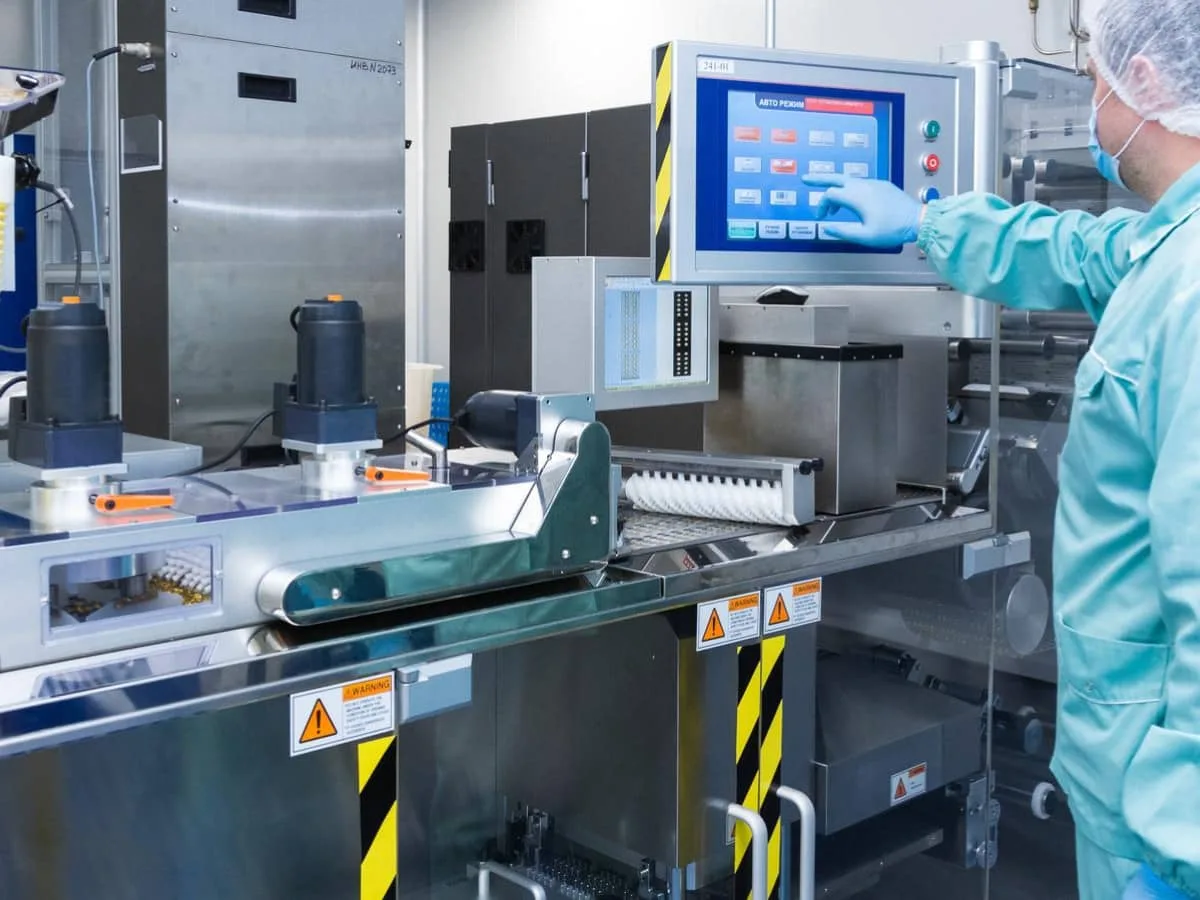
Global healthcare demand continues to grow, pushing manufacturers to rethink where and how medical equipment should be produced. Recent supply chain disruptions have shown that relying on a limited number of production hubs creates long-term risk, especially for regulated and essential products. As a result, medical equipment manufacturing is increasingly shifting toward regions that offer both market access and operational resilience.
Asia has become a central part of this shift. Beyond cost considerations, manufacturers are looking for locations with growing healthcare demand, improving industrial infrastructure, and supportive policy direction. Indonesia is emerging as one of the countries that fits this profile. With a large domestic healthcare market and a clear push toward local production, Indonesia is no longer viewed only as an end market but as a potential manufacturing base for regional and global distribution.
Why Asia Is a Key Region for Medical Equipment Manufacturing
Asia’s role in global medical equipment manufacturing has expanded significantly over the past decade. Rapid population growth, aging demographics in several countries, and rising healthcare investment have increased demand for medical devices across hospitals, clinics, and diagnostic facilities.
In addition to demand growth, manufacturers are also attracted to Asia’s improving industrial capabilities. Many countries in the region have invested heavily in manufacturing infrastructure, logistics connectivity, and workforce development. This makes it easier for medical equipment manufacturers to establish production facilities that meet international quality and compliance standards.
Another important factor is supply chain diversification. Producing medical equipment closer to end markets in Asia helps reduce lead times and dependency on distant suppliers. For global manufacturers, this approach supports business continuity while allowing them to respond more quickly to changes in regional demand.
Why Indonesia Matters for Medical Equipment Manufacturing
Indonesia is gaining attention as a manufacturing destination because it combines market demand with improving production readiness. For medical equipment manufacturers, this combination is especially important. The country is not only a large consumer of healthcare products, but also an environment that is increasingly prepared to support regulated manufacturing activities.
One of Indonesia’s strongest advantages is its domestic healthcare market. With a large population and ongoing expansion of hospitals, clinics, and diagnostic facilities, demand for medical equipment continues to grow. This creates a stable base for manufacturers, reducing reliance on export markets alone and supporting long-term production planning.
Government policy direction also plays a role. Indonesia has been encouraging greater local production of medical devices to reduce import dependency and strengthen healthcare resilience. While regulatory compliance remains important, the overall direction signals long-term support for medical equipment manufacturing rather than short-term incentives.
From an operational perspective, Indonesia’s industrial and logistics infrastructure has improved significantly. Access to industrial zones with reliable utilities, better port connectivity, and growing transport networks makes it easier for manufacturers to manage supply chains and distribution. These developments help bridge the gap between market potential and manufacturing execution.
For global manufacturers evaluating expansion options in Asia, Indonesia offers a balance between market size, policy direction, and industrial readiness that is increasingly difficult to ignore.
Why Indonesia Matters for Medical Equipment Manufacturing
Source: Freepik
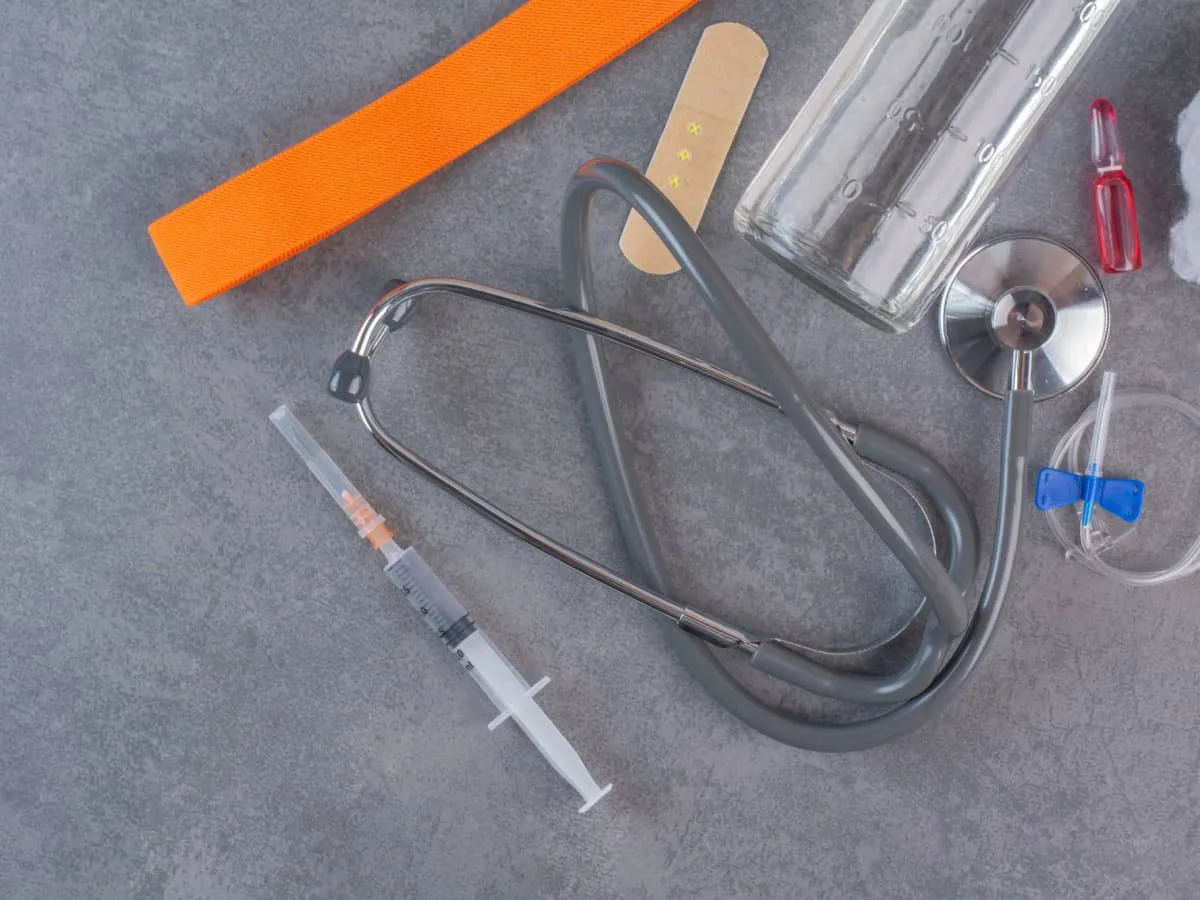
Indonesia is increasingly viewed as a viable manufacturing destination because it combines market demand with improving industrial readiness. For companies evaluating expansion in medical equipment manufacturing, several key factors make Indonesia stand out.
1. Strong and Growing Domestic Healthcare Market
Indonesia has one of the largest healthcare markets in Southeast Asia. Continuous expansion of hospitals, clinics, and diagnostic facilities creates a steady demand for medical equipment. This allows manufacturers to serve a large domestic market while also supporting regional export strategies.
2. Clear Government Direction Supporting Local Production
The Indonesian government is actively working to boost local medical device manufacturing. Recent policies focus on building a stronger industry ecosystem, encouraging investment, and creating incentives for technology transfer and local partnerships. These initiatives aim to foster long-term, sustainable growth and greater self-sufficiency for the sector.
3. Improving Industrial and Logistics Infrastructure
Industrial readiness in Indonesia has improved significantly in recent years. Manufacturers now have better access to industrial zones with reliable utilities, improved port facilities, and expanding transportation networks. These developments make supply chain management and distribution more efficient.
4. Balance Between Market Potential and Manufacturing Execution
Indonesia offers a balance that many manufacturers look for. It combines strong market demand with an industrial environment that is increasingly capable of supporting regulated manufacturing activities. This balance reduces operational risk and supports sustainable, long-term production planning.
For global manufacturers assessing expansion options in Asia, these factors position Indonesia as a country that offers both immediate market relevance and long-term manufacturing potential.
Key Considerations for Global Investors
Source: Freepik
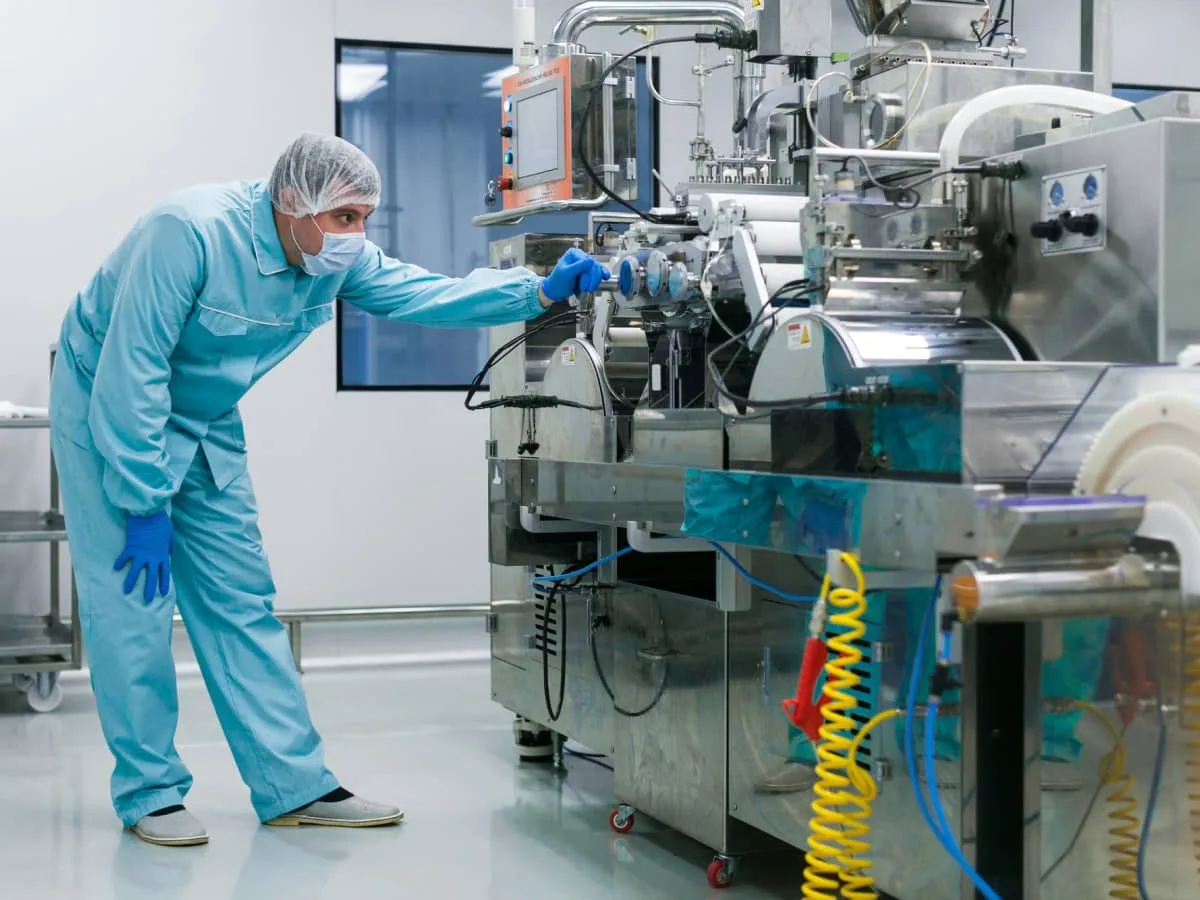
Before expanding medical equipment manufacturing into Indonesia, global investors need to evaluate several practical considerations. These factors help determine how smoothly operations can be established and scaled over time.
1. Site Readiness and Industrial Infrastructure
Medical equipment manufacturing requires stable utilities, clean production environments, and reliable logistics access. Investors should prioritize locations that offer ready-to-use industrial infrastructure, consistent power supply, water quality control, and access to major transportation routes.
2. Regulatory Direction and Compliance Environment
Indonesia’s medical device sector is regulated, and compliance is an important part of long-term operations. While detailed regulatory processes vary by product category, investors should focus on understanding the overall policy direction, which increasingly supports local manufacturing and long-term industry development.
3. Workforce Availability and Skill Development
A capable workforce is essential for regulated manufacturing. Indonesia offers a large labor pool, and many industrial areas already support manufacturing operations that require process discipline and quality control. Investors may still need to invest in training programs to meet specific production standards, especially for higher-value medical equipment.
4. Supply Chain and Local Partner Ecosystem
Building a resilient supply chain is another key consideration. Investors should assess the availability of local suppliers, logistics providers, and supporting services. A growing domestic manufacturing ecosystem can help reduce dependency on imports and improve operational stability.
5. Scalability and Long-Term Expansion Potential
Medical equipment manufacturing investments are typically long-term. Investors should consider whether their chosen location allows for future expansion, both in terms of physical space and operational capacity. Planning for scalability from the start helps avoid relocation or restructuring later.
By addressing these considerations early, global investors can reduce operational risks and position their medical equipment manufacturing operations for sustainable growth in Indonesia.
Supporting Medical Equipment Manufacturing in a Future-Ready Environment
Source: Freepik
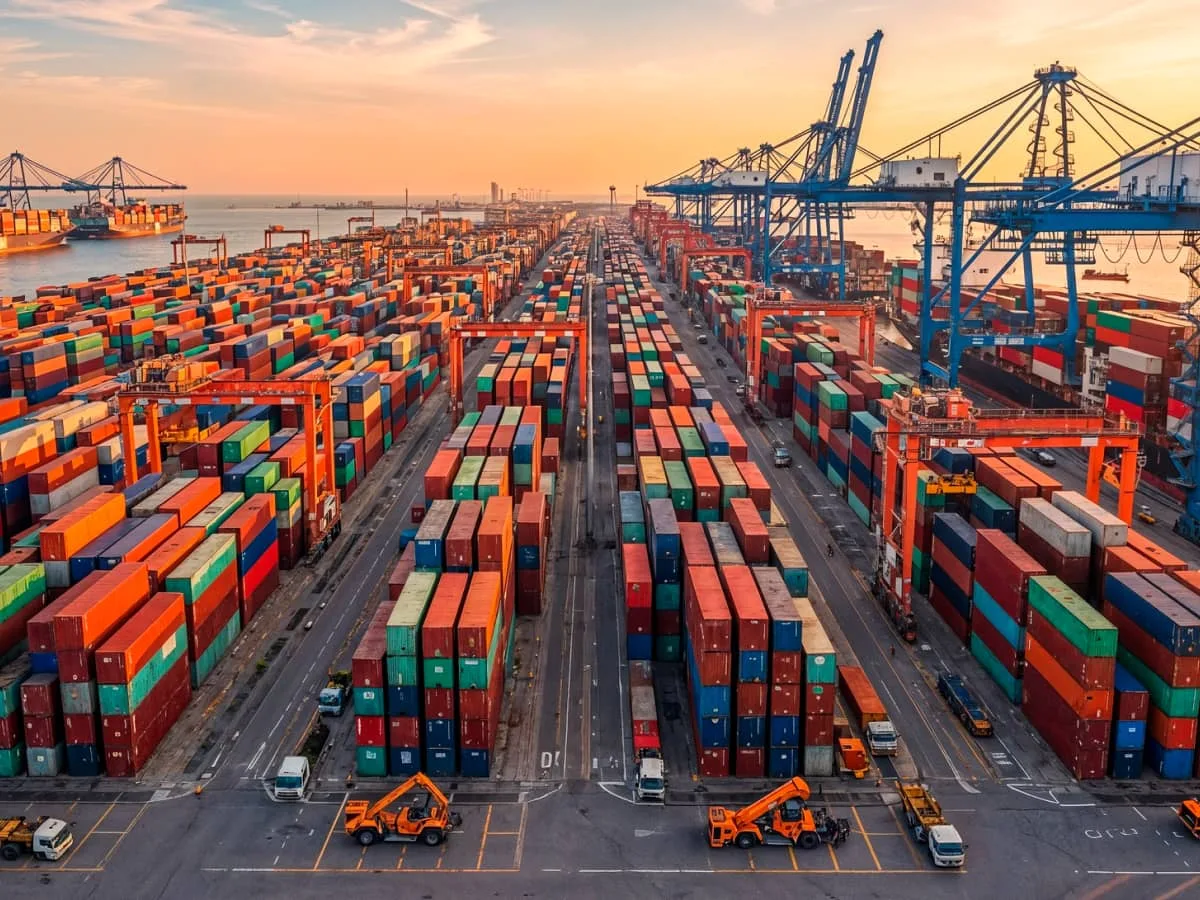
Medical equipment manufacturing is becoming an increasingly strategic industry as global healthcare demand continues to rise. Manufacturers today are not only looking for cost efficiency, but also for locations that offer market access, regulatory clarity, and long-term operational stability. In Asia, Indonesia is emerging as a country that brings these elements together.
With a large and growing healthcare market, supportive policy direction, and improving industrial infrastructure, Indonesia offers a compelling environment for medical equipment manufacturing expansion. The country allows manufacturers to serve domestic demand while positioning production closer to regional markets, reducing supply chain risk and improving responsiveness.
However, manufacturing success is not determined by planning alone. It also depends on the environment in which production takes place. Integrated industrial cities such as Subang Smartpolitan are designed to support modern, regulated manufacturing with reliable infrastructure, strong connectivity, and long-term scalability. This type of ecosystem enables manufacturers to focus on quality, compliance, and growth without unnecessary operational friction.
For global investors evaluating their next expansion move, Indonesia presents a balanced opportunity. To explore how a future-ready industrial environment can support medical equipment manufacturing expansion, visit smartpolitan.com.
FAQ: Medical Equipment Manufacturing in Indonesia
1. Is Indonesia suitable for medical equipment manufacturing?
Yes. Indonesia offers a large domestic healthcare market, improving industrial infrastructure, and a policy direction that supports local medical device production. These factors make it suitable for long-term manufacturing investment.
2. Can foreign investors fully own medical equipment manufacturing facilities in Indonesia?
In most cases, foreign investors can hold full ownership in manufacturing businesses, including medical equipment manufacturing, subject to prevailing investment regulations and compliance requirements.
3. What types of medical equipment are suitable for manufacturing in Indonesia?
Indonesia is suitable for a wide range of medical equipment, including consumables, diagnostic devices, hospital equipment, and selected regulated devices, depending on compliance and production requirements.
4. How important is site selection for medical equipment manufacturing?
Site selection is critical. Medical equipment manufacturing requires stable utilities, clean environments, and strong logistics access. Integrated industrial zones can significantly reduce setup time and operational risk.
5. Why choose an integrated industrial city for medical equipment manufacturing?
Integrated industrial cities provide reliable infrastructure, streamlined support services, and space for future expansion. This environment helps manufacturers meet regulatory standards while supporting long-term operational growth.