


Manufacturing operations today are under constant pressure to deliver faster production cycles, tighter cost control, and higher output quality at the same time. As production systems become more complex, many manufacturers struggle to align materials, labor, and capacity efficiently. This is where manufacturing resource planning becomes increasingly relevant.
Rather than relying on fragmented spreadsheets or disconnected planning tools, manufacturers are turning to integrated planning systems that provide a clearer view of their entire production process. Manufacturing resource planning helps companies coordinate resources more effectively, reduce operational bottlenecks, and make informed decisions based on real-time data. For manufacturers aiming to scale operations or improve production consistency, this approach has become a critical foundation.
What is Manufacturing Resource Planning?
Manufacturing resource planning, commonly referred to as MRP II, is a comprehensive method for managing all key resources involved in manufacturing activities. Unlike basic planning systems that focus only on raw materials and inventory, MRP II takes a broader view by including production capacity, workforce availability, and operational coordination.
At its core, MRP II is designed to answer fundamental production questions: what should be produced, when production should take place, and what resources are required to execute it effectively. By connecting these elements, manufacturers gain greater control over production schedules and resource utilization.
MRP II evolved from traditional Material Requirements Planning (MRP). While MRP primarily focuses on ensuring material availability, MRP II expands the scope to include capacity planning, labor planning, and cross-functional coordination within manufacturing operations.
According to Wikipedia, Manufacturing Resource Planning (MRP II) is defined as a method used to effectively plan all resources involved in manufacturing, including materials, labor, and machine capacity. By integrating these components, manufacturers can align production planning with operational requirements and improve overall efficiency.
In practice, MRP II typically covers:
- Material planning to ensure components are available when needed
- Capacity planning to balance workloads with available machines
- Workforce planning to align labor with production schedules
- Coordination between production, procurement, and operational teams
By bringing these elements together, manufacturing resource planning enables manufacturers to reduce waste, minimize production delays, and improve operational consistency across the factory floor.
How Manufacturing Resource Planning (MRP II) Works

Source: Freepik
Manufacturing resource planning works by organizing production activities into a structured and connected planning process. Instead of handling materials, capacity, and labor separately, this approach aligns them into one coordinated system. In practice, MRP II typically follows several key steps.
1. Demand and Production Planning
The process starts by defining what needs to be produced. This can be based on sales forecasts, confirmed customer orders, or long-term production targets. MRP II converts this demand into a realistic production plan that reflects actual operational conditions.
2. Material Planning
Once production requirements are defined, the system calculates the materials and components needed. It determines quantities, timing, and availability, helping manufacturers avoid material shortages, excess inventory, or last-minute purchasing that can disrupt operations.
3. Capacity Planning
Manufacturing resource planning then evaluates whether available machines, equipment, and production lines can handle the planned workload. If capacity constraints appear, adjustments can be made early, such as rescheduling orders or redistributing production loads.
4. Workforce Planning
Labor requirements are planned alongside materials and capacity. The system helps align workforce availability, shift schedules, and skill requirements with production needs. This ensures that the right people are available at the right time on the factory floor.
5. Cross-Department Coordination
One of the key strengths of MRP II is integration. Production, procurement, and operations teams work with the same planning data, reducing miscommunication and improving coordination across departments.
By following these steps, manufacturing resource planning helps manufacturers create more predictable production schedules, improve resource utilization, and respond more effectively to changes in demand.
Key Benefits of Manufacturing Resource Planning (MRP II)

Source: Freepik
Manufacturing resource planning offers practical benefits that directly impact daily manufacturing operations. By improving how resources are planned and coordinated, manufacturers can operate more efficiently while maintaining better control over production outcomes.
1. Improved Production Efficiency
Manufacturing resource planning helps streamline production schedules by aligning materials, capacity, and labor from the beginning. This reduces idle time, minimizes production delays, and allows manufacturers to maintain a smoother production flow.
2. Better Inventory and Cost Control
With clearer visibility into material requirements, manufacturers can avoid overstocking and reduce excess inventory costs. At the same time, better planning helps prevent emergency purchases that often lead to higher procurement expenses.
3. More Accurate Production Planning
By considering real production constraints such as machine availability and workforce capacity, MRP II enables more realistic schedules. This reduces last-minute changes and improves on-time delivery performance.
4. Stronger Operational Visibility
Manufacturers gain a clearer view of their operations across departments. Planning data can be reviewed and adjusted before issues occur, allowing teams to identify risks early and take corrective action.
5. Better Decision-Making Support
Manufacturing resource planning provides structured data that supports informed decision-making. Managers can evaluate different production scenarios, assess resource availability, and plan adjustments with greater confidence.
Overall, these benefits help manufacturers operate with greater consistency, lower operational risk, and improved responsiveness to market demand.
Manufacturing Resource Planning (MRP II) vs ERP
Manufacturing resource planning and Enterprise Resource Planning (ERP) are often discussed together because both support planning and coordination in manufacturing environments. However, their focus and scope are different. The table below highlights the key distinctions.
| Aspect | Manufacturing Resource Planning | ERP |
| Primary Focus | Planning and managing manufacturing resources | Managing the entire business operation |
| Scope | Materials, production capacity, labor, and scheduling | Manufacturing, finance, HR, sales, procurement, and more |
| Main Purpose | Improve production efficiency and resource utilization | Integrate all business functions into one system |
| Target Users | Production planners, operations teams, and plant managers | Company-wide users across departments |
| Implementation Complexity | More focused and faster to implement | Broader scope and usually more complex |
| Typical Use Case | Manufacturers seeking better control over production planning | Companies needing full enterprise-wide integration |
In practice, MRP II often serves as the foundation for production planning within an ERP system. Many manufacturers begin by strengthening their production processes with MRP II, then expand into ERP as their operations and organizational needs grow.
Choosing between MRP II and ERP depends on the company’s priorities. If production efficiency and resource coordination are the main challenges, MRP II offers a more targeted solution. For businesses with complex, multi-department operations, ERP may provide broader integration benefits.
Why Manufacturing Resource Planning Matters for Modern Manufacturing
Manufacturing resource planning is essential for today’s fast-paced industry. It helps manufacturers anticipate challenges, coordinate resources, and respond quickly to changes in demand or production schedules. This structured approach reduces downtime and improves on-time delivery.
As factories adopt automation and data-driven systems, precise planning is critical. Manufacturing resource planning aligns production with machine capacity and workforce availability, making sure operations run smoothly and efficiently.
When businesses grow, manual planning can’t keep up with complexity. Manufacturing resource planning allows companies to scale up without losing control over resources, supporting stable operations and long-term competitiveness.
Building Smarter Manufacturing Through Better Planning
Manufacturing resource planning plays a vital role in helping manufacturers manage production more effectively in an increasingly complex industrial environment. By aligning materials, production capacity, and workforce planning, manufacturers gain better control over operations, reduce inefficiencies, and improve overall production reliability.
As manufacturing moves toward automation, digital integration, and higher operational standards, the need for structured and scalable planning becomes even more important. MRP II provides the foundation that allows production systems to grow without losing visibility, consistency, or control.
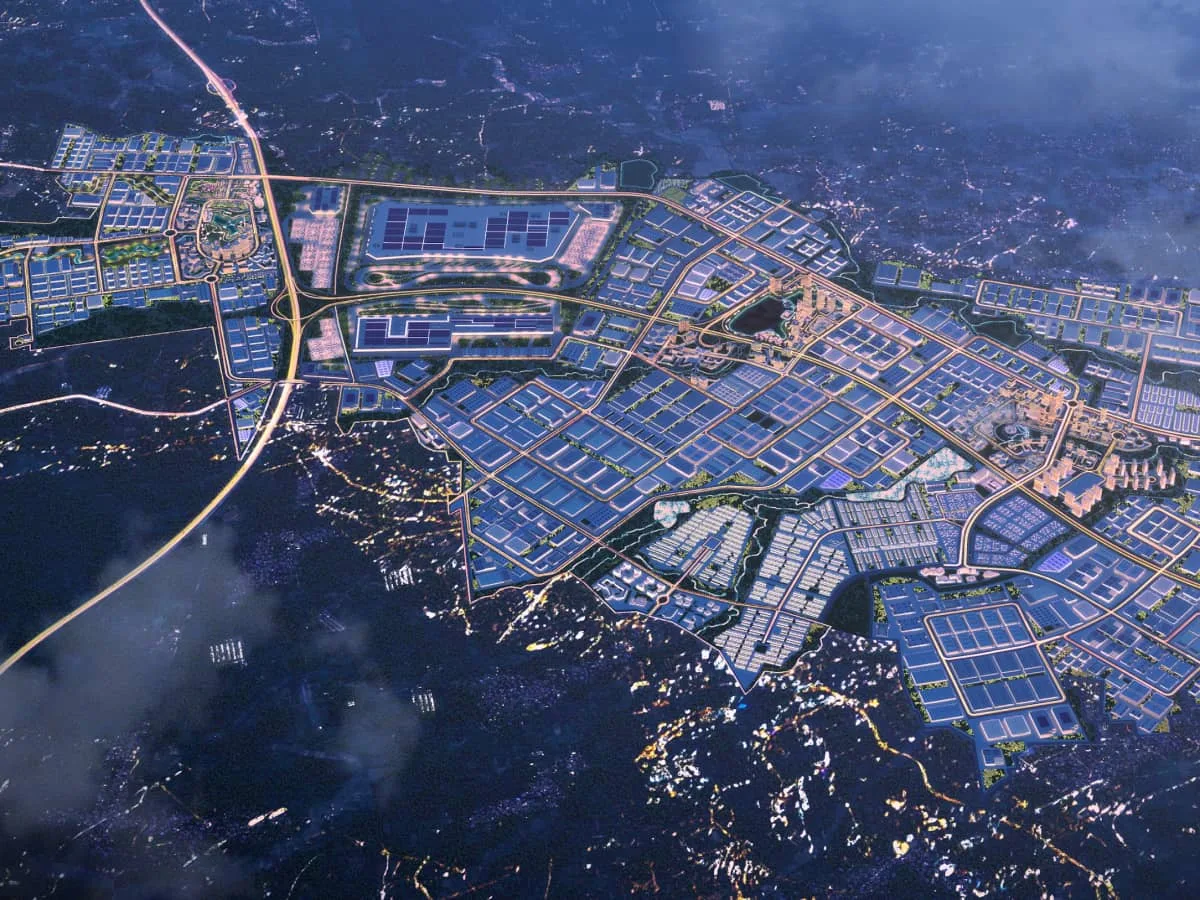
However, planning systems work best when supported by the right industrial environment. Integrated industrial cities like Subang Smartpolitan are designed to support modern manufacturing operations with reliable infrastructure, smart utilities, and strong connectivity. This ecosystem helps manufacturers implement manufacturing resource planning more effectively, from stable production scheduling to long-term operational expansion.
For manufacturers looking to build efficient, future-ready operations, combining strong planning systems with a well-developed industrial environment can create a significant competitive advantage. Explore how Subang Smartpolitan supports smarter manufacturing growth by visiting smartpolitan.com.
FAQ: Manufacturing Resource Planning
1. What is manufacturing resource planning used for?
Manufacturing resource planning is used to plan and manage key manufacturing resources such as materials, production capacity, and labor. It helps manufacturers create realistic production schedules and improve coordination across operations.
2. Is MRP II the same as MRP?
No. MRP focuses mainly on material planning and inventory availability. Manufacturing resource planning, also known as MRP II, expands this by including capacity planning, workforce planning, and coordination across production activities.
3. Who should use manufacturing resource planning?
MRP II is suitable for manufacturers that want better control over production planning, especially those experiencing growth, increasing product complexity, or frequent scheduling challenges.
4. Can manufacturing resource planning work without an ERP system?
Yes. Manufacturing resource planning can function as a standalone planning approach focused on production operations. In many cases, it later becomes part of a broader ERP system as business needs expand.
5. What are the main challenges in implementing manufacturing resource planning?
Common challenges include data accuracy, change management, and aligning planning processes across departments. These challenges can be addressed through proper preparation, training, and gradual implementation.