


How Do You Build a Factory in Indonesia?
July 31, 2026
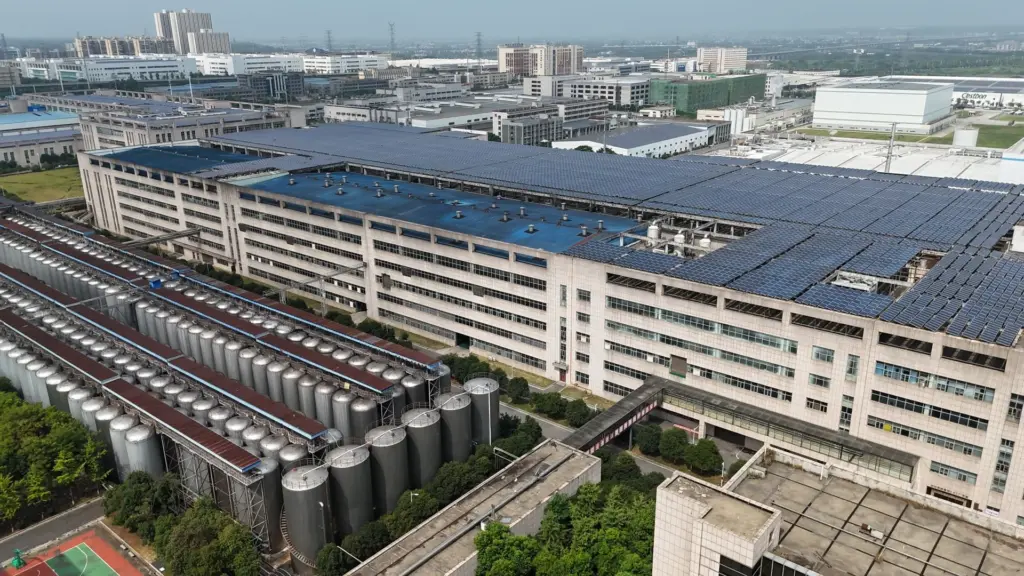
As Indonesia continues to emerge as one of the region’s leading manufacturing hubs, establishing a production facility involves far more than constructing a building. It requires careful strategic planning, regulatory compliance, the selection of the right location, and preparation of every aspect of your operations.
Understanding the entire investment process, from initial planning to operational readiness, is essential before committing significant capital.
To help ensure your manufacturing investment proceeds smoothly, here is a complete guide to building a factory in Indonesia.
Why Build a Factory in Indonesia?
Indonesia has become an increasingly attractive destination for manufacturing investment due to its abundant natural resources, large productive workforce, and supportive government policies.
Owning your own production facility gives your business greater control over product quality, supply chain efficiency, and manufacturing flexibility. It also enables you to serve Indonesia’s large domestic market while strengthening your export capabilities.
Moreover, establishing a local manufacturing facility also allows foreign companies to optimize operating costs while benefiting from various fiscal incentives available for foreign direct investment.
What Are the Requirements for Building a Factory?
Before developing an industrial manufacturing facility, investors must fulfill several essential legal and operational requirements as follows:
1. Register Your Business and Establish Legal Status
The first and most critical step is registering your company as a legal business entity. Businesses must fulfill basic corporate registration, including obtaining:
- Deed of Establishment,
- Corporate Tax Identification Number,
- Proof of business domicile, and
- Shareholder documentation.
In addition, foreign investors must establish a Foreign Investment Limited Liability Company before commencing operations.
2. Obtain the Required Business Licenses
Once your company has been legally established, you must secure all required operational licenses. The primary permits include:
- Industrial Business License issued by the Ministry of Industry
- Business Identification Number
- Spatial Planning Conformity Confirmation
- Building Approval
3. Obtain Environmental Approval
Under Law No. 32 of 2009 concerning Environmental Protection and Management, factories must conduct an Environmental Impact Assessment and obtain Environmental Approval before construction begins.
4. Choose a Strategic Industrial Location
Selecting the right factory location significantly affects supply chain efficiency, licensing convenience, and long-term operational success.
The site must comply with the Regional Spatial Planning. Establishing your facility within an industrial park is highly recommended, as these areas already offer modern infrastructure, strategic connectivity, and ready-to-use industrial facilities.
5. Develop and Manage Your Workforce
A skilled workforce remains one of the most important assets in manufacturing. Indonesian labor regulations require employers to provide employee rights, occupational safety, and appropriate workforce training programs.
6. Comply with Hazardous Waste Management Standards
Manufacturers that use or produce hazardous chemicals must comply with hazardous waste management regulations under the Ministry of Environment and Forestry Regulations No. 6 of 2021 and 9 of 2024.
These regulations govern the handling, storage, transportation, and disposal of hazardous waste to ensure environmental safety.
7. Obtain Halal Certification When Required
Manufacturers operating in the food, beverage, pharmaceutical, and cosmetics industries are required to obtain Halal Certification. This certification is officially issued by Indonesia’s Halal Product Assurance Agency (BPJPH).
Read More: What Types of Land Titles Are Available in Indonesia?
What Should Businesses Consider Before Building a Factory?
Before construction begins, several strategic factors will determine your factory’s long-term operational success.
1. Industry and Production Requirements
Each manufacturing facility has unique production characteristics that determine its required production capacity.
Planning should align with industry-specific regulations, local raw material availability, and production technologies to ensure efficient manufacturing while remaining compliant with government requirements.
2. Location Selection
Choose a location close to key resources to reduce logistics costs. Access to skilled labor, major suppliers, transportation infrastructure, and industrial ecosystems should also be evaluated before making a final decision.
3. Investment Budget
Your investment plan should cover:
- Land acquisition
- Construction costs
- Building maintenance
- Machinery maintenance
- Long-term operating expenses
- Electricity and water supply
- Labor costs
- Regulatory compliance expenses
How Do You Build a Factory in Indonesia?
Building a factory requires careful planning from land acquisition through operational readiness.
Step 1: Choose the Right Location
Selecting land within a designated industrial zone is highly recommended. Besides simplifying licensing procedures, it ensures your factory is located in an area specifically designed for manufacturing activities.
Step 2: Secure Land and Legal Rights
Investors must understand Indonesia’s land ownership regulations. For industrial development, the most commonly used land titles are Building Use Rights and the Right to Use over industrial land.
Ensuring the land has a clean and clear legal status without ownership disputes should always be a top priority.
Step 3: Obtain Licenses and Permits
Your factory must obtain all required operational permits before production begins. The essential corporate documents include:
- Business Identification Number
- Corporate Tax Identification Number
- Company Establishment Approval
Operational readiness also depends on obtaining physical building permits, including:
- Building Approval
- Building Worthiness Certificate
Manufacturers must also secure the required Standard Certificate for production activities and Environmental Approval to ensure manufacturing operations comply with environmental regulations.
Step 4: Design and Construct the Facility
Factory layouts should comply with occupational health and safety standards as well as regional spatial planning regulations. Construction should be carried out by certified contractors to ensure structural integrity and compliance with industrial engineering standards.
Step 5: Install Infrastructure and Utilities
This stage includes installing essential infrastructure such as:
- Clean water supply
- Reliable industrial electricity
- Telecommunications networks
- Production systems
- Wastewater treatment facilities
These utilities should be integrated into the factory design from the beginning.
Step 6: Prepare for Operations
Before commercial production begins, companies should install production equipment, recruit qualified employees, and conduct production trials to verify that all manufacturing systems operate efficiently.
Read More: What Fiscal and Non-Fiscal Incentives Are Available for Factory Investment in Indonesia?
What Challenges Do Businesses Face When Building a Factory?
Although Indonesia offers significant investment opportunities, businesses should prepare for several common challenges.
1. Regulatory Complexity
Administrative procedures involving both central and regional governments can require considerable time.
Compliance with spatial planning regulations, industrial licensing, production permits, building approvals, and environmental permits often involves multiple administrative processes.
2. Infrastructure Limitations
Some locations outside established industrial parks still experience limited road access for heavy vehicles, as well as inconsistent electricity and clean water supplies.
3. Construction Delays
Construction schedules may be affected by heavy rainfall, adverse weather conditions, and logistical challenges related to material availability across different regions.
4. Skilled Labor Availability
Although Indonesia has an abundant labor force, the number of workers with the specialized skills needed to operate sophisticated manufacturing equipment remains limited. As a result, recruitment often takes longer than expected.
Why Can Industrial Parks Simplify Factory Development?
Establishing your factory within a modern industrial park is one of the most effective ways to reduce both construction and administrative challenges. Industrial parks integrate the key elements of manufacturing into a single business ecosystem.
1. Ready-to-Use Infrastructure
Industrial parks provide direct access to toll roads, reliable power supplies, fiber-optic networks, and centralized wastewater treatment systems that comply with environmental regulations.
2. Streamlined Licensing and Permitting
Many industrial parks offer one-stop services that simplify administrative procedures and accelerate permit processing for new investors.
3. Optimum Economies of Scale
Shared infrastructure significantly reduces upfront capital expenditure, allowing businesses to allocate more resources toward manufacturing technology and productivity improvements.
Operating within an industrial park also minimizes construction delays caused by utility installation and infrastructure development.
What Makes a Factory Investment Successful in Indonesia?
Successful manufacturing investments in Indonesia generally depend on three key factors:
- Selecting a strategic and well-connected location
- Maintaining full compliance with environmental and government regulations
- Partnering with a reliable industrial park developer
When factories operate within a fully developed industrial ecosystem, businesses can focus on production efficiency instead of investing substantial time and capital in building basic infrastructure.
Read More: What to Know Before Purchasing Land in an Industrial Park?
Build Your Manufacturing Future at Subang Smartpolitan
Selecting the right industrial location is about more than securing available land. It requires an ecosystem that supports operational efficiency, supply chain connectivity, and long-term business growth.
Developed by Suryacipta, Subang Smartpolitan is a 2,700-hectare “Smart, Green, and Sustainable City” strategically located in the heart of the West Java Industrial Corridor.
The area integrates industrial, commercial, residential, educational, and lifestyle components into a single master-planned ecosystem designed to support the next generation of manufacturing.
This industrial land in Indonesia offers excellent connectivity to the Trans-Java Toll Road, Patimban Seaport, Kertajati International Airport, and the future Jakarta–Surabaya High-Speed Railway. It is also surrounded by an established manufacturing ecosystem, providing businesses with access to an extensive supply chain network across West Java.
Furthermore, as one of the most significant industrial parks in Indonesia, Subang Smartpolitan is equipped with Industry 4.0-ready infrastructure, including IoT-enabled systems that help manufacturers improve operational efficiency, strengthen productivity, and support future business expansion.
Whether you are establishing a new production facility or expanding your manufacturing footprint in Indonesia, Subang Smartpolitan provides a strategic location backed by integrated infrastructure, long-term development planning, and the experience of one of Indonesia’s leading industrial estate developers.
Explore how Suryacipta can support your manufacturing investment and future growth at Subang Smartpolitan.