

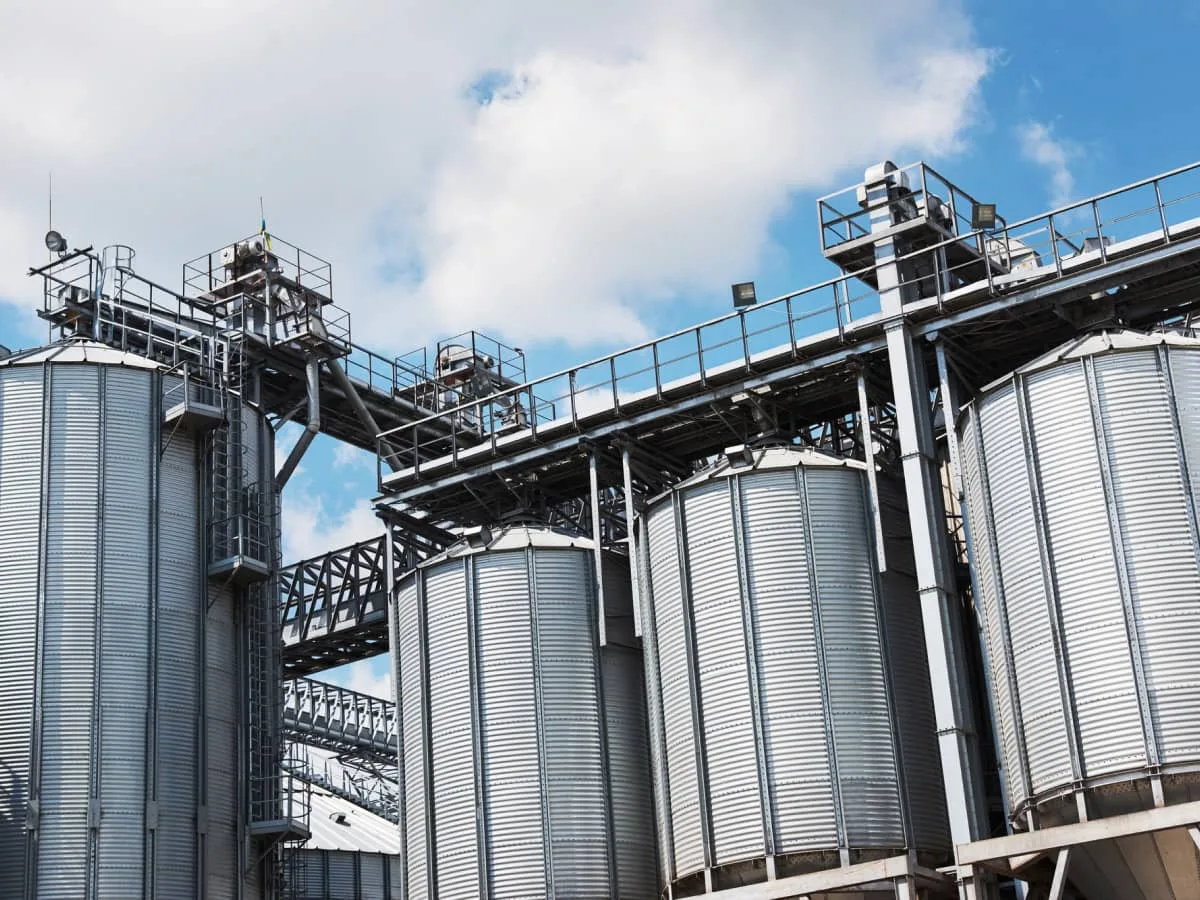
The way products are made has changed more in the last decade than in the last century. Modern industry and manufacturing now rely on advanced technologies, streamlined processes, and data-driven decision-making.
Let’s see how these developments can shape your business growth!
What Is Industry?
Industry in the modern economy refers to economic activities focused on producing goods and services to meet consumer and business needs. It is broadly classified into several types based on their roles and processes:
- Primary Industry: Engages in extracting natural resources directly from nature, such as agriculture, mining, fishing, and forestry.
- Secondary Industry: Involves manufacturing and processing raw materials into finished products. This includes manufacturing, construction, and utilities.
- Tertiary Industry: Provides services rather than tangible goods, including retail, healthcare, education, and hospitality.
- Quaternary Industry: Focuses on knowledge-based activities like research, information technology, consultancy, and innovation.
The role of industry in economic growth and development is critical. Industry drives economic growth by increasing production, creating jobs, and boosting incomes, thereby fueling consumer spending and overall GDP expansion.
What Is Manufacturing?
Manufacturing is the process of converting raw materials into finished products through a series of steps. Basic manufacturing processes include:
- Design and conceptualization: Creating product blueprints and prototypes based on market needs.
- Processing and transformation: Using techniques such as casting, machining, forging, and welding to convert raw materials into components.
- Assembly and construction: Putting together components using manual or automated assembly lines.
- Quality control and testing: Ensuring products meet safety and quality standards.
- Packaging and distribution: Preparing products for delivery to customers or retailers.
Manufacturing plays a key role in the supply chain by transforming raw materials into saleable goods and enabling mass production.
Take Toyota, for example. In 2025, the company produced over 10 million vehicles globally using the Toyota Production System, which emphasizes lean processes and continuous improvement. Toyota shows how smart manufacturing enables them to meet demand and stay competitive.
What’s the Difference Between Industry and Manufacturing?
Industry covers all economic activities involved in the production of goods and services. It includes:
- Primary sector: Extracting raw materials like agriculture, mining, or forestry.
- Secondary sector: Manufacturing and construction.
- Tertiary sector: Providing services, such as retail, healthcare, and education.
Manufacturing is a part of the secondary sector. It focuses specifically on turning raw materials into finished products using labor, machinery, and tools.
In short, industry is the big picture of economic production, while manufacturing is the engine that creates tangible goods within that system.
To summarize the difference:
| Aspect | Industry | Manufacturing |
| Scope | All economic activities producing goods/services | Specific process of making tangible products |
| Includes | Primary, secondary, and tertiary sectors | Part of the secondary sector (production of goods) |
| Output | Goods and services | Finished physical goods |
| Examples | Agriculture, mining, construction, services | Automobile production, electronics assembly |
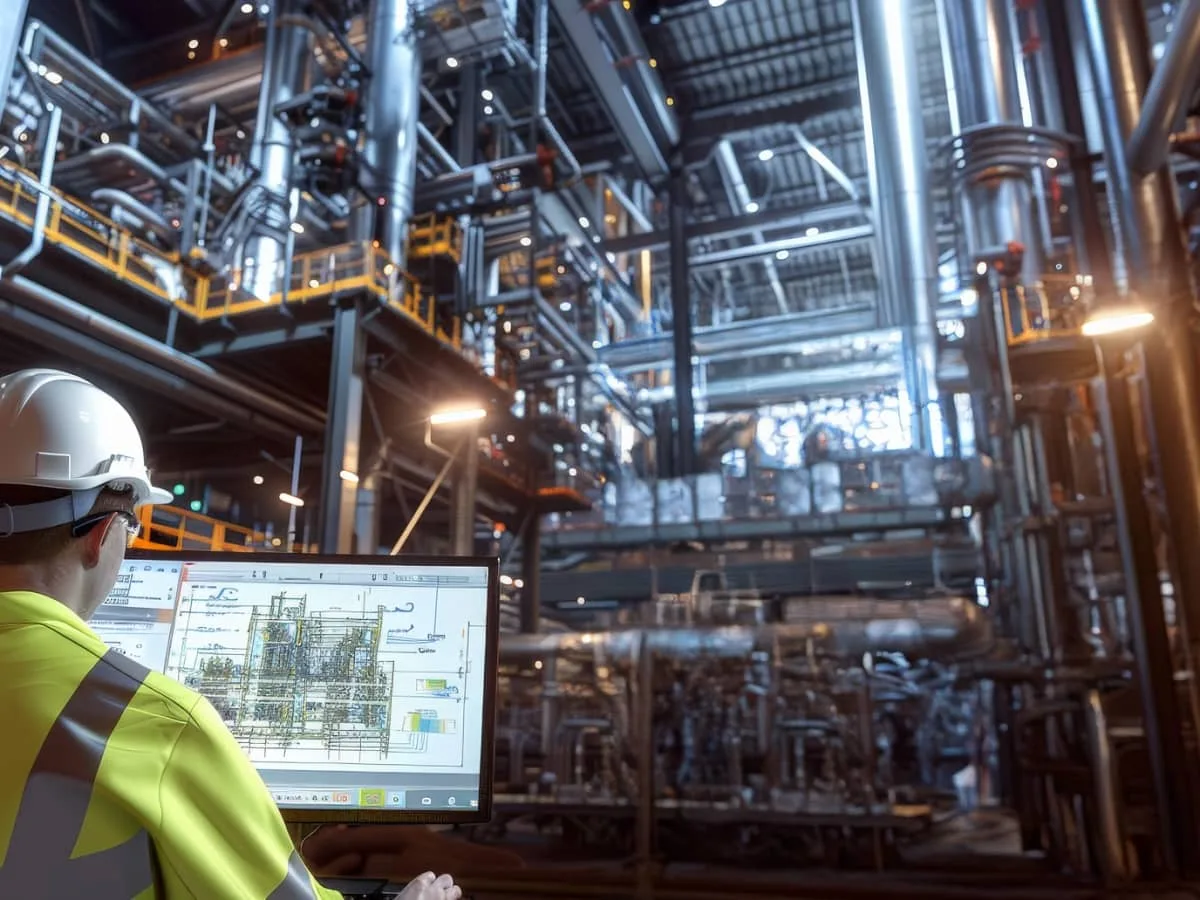
The Evolution of Industry and Manufacturing in the Modern Era
Source: Freepik
The development of industry and manufacturing can be traced through several key phases:
1. Pre-Industrial Era
Before the Industrial Revolution, production was largely manual and home-based, relying on skilled artisans making goods by hand.
Production relied almost entirely on human labor, simple tools, and sometimes animal power or basic machines like water wheels. Skilled workers often organized into guilds, which controlled quality, set prices, and trained apprentices. Output was limited, making goods scarce and valuable, and trade was mostly local.
2. First Industrial Revolution
Originating in Britain around 1760, this era introduced mechanization powered by steam engines.
Key technological breakthroughs included James Hargreaves’ Spinning Jenny (1764), which dramatically increased textile production speed, and James Watt’s improved steam engine (patented 1769), which powered factories, mines, and transportation. Factories centralized production, replacing small workshops, and introduced new machinery like the power loom (1785).
The First Industrial Revolution fundamentally transformed economic structures, social life, and global trade, increasing living standards and fostering sustained growth unseen before.
3. Second Industrial Revolution
This phase saw electricity powering factories and the invention of the assembly line.
Key features included the widespread use of electricity, steel production innovations (such as the Bessemer process), and new chemical industries. Transportation and communication technologies advanced dramatically with railroads expanding, the invention of the telephone by Alexander Graham Bell in 1876, and the broader introduction of telegraphy and the typewriter.
One of the defining aspects was the rise of mass production and assembly line techniques, epitomized by Henry Ford’s assembly line for the Model T automobile in 1908, which made cars affordable and accessible to the masses.
4. Automation Era
This era is defined by the integration of electronics, computer systems, and information technology into manufacturing processes to automate and optimize production.
Key milestones include:
- The introduction of programmable logic controllers (PLCs) in the 1960s allowed for flexible automation of complex manufacturing tasks without extensive rewiring.
- The use of industrial robots starting in the 1950s, which took over repetitive, dangerous, or precise tasks such as welding, assembly, and material handling.
- The widespread electrification of factories enables longer operational hours with consistent power.
- The adoption of computer numerical control (CNC) machines for precision manufacturing.
Automation drastically increased productivity, product quality, and cost efficiency while reducing human error and labor-intensive work. Manufacturing became faster, more precise, and capable of large-scale mass production.
5. Smart Manufacturing or Industry 4.0
Industry 4.0 creates smart factories where machines and systems are interconnected through the Internet of Things (IoT), enabling real-time communication, monitoring, and autonomous decision-making.
Key features of Industry 4.0 include:
- Cyber-physical systems that create virtual copies of physical processes and can autonomously optimize these processes.
- Use of artificial intelligence (AI) and machine learning to analyze data, predict maintenance needs, enhance quality control, and optimize supply chains.
- Big data analytics driving data-driven decision-making and process improvements.
- Advanced automation and robotic systems working alongside humans for tasks requiring precision, speed, and safety.
- Real-time tracking and transparency of products from raw materials through production to delivery.
- Flexibility enabling mass customization without sacrificing efficiency or cost-effectiveness
Overall, smart manufacturing is a paradigm shift transforming traditional manufacturing into a highly adaptable, efficient, and connected digital ecosystem.
6. Sustainable Industrial Development Era
This era integrates economic growth with social equity and environmental protection to create a balanced, long-term approach to industrialization.
Industry 4.0 makes sustainable manufacturing possible through advanced digital technologies such as:
- IoT sensors and AI monitor energy use in real time, automatically adjusting production to cut unnecessary consumption, reduce costs, and lower emissions.
- Smart analytics detect inefficiencies and defects early, minimizing material waste and downtime.
- Data-driven scheduling optimizes production and supply chains, reducing excess inventory and transportation emissions.
If you want to learn more about modern manufacturing processes and how to optimize your industrial setup, read more here on industry facilities and manufacturing technology.
Key Components of Modern Manufacturing Processes
Source: Freepik
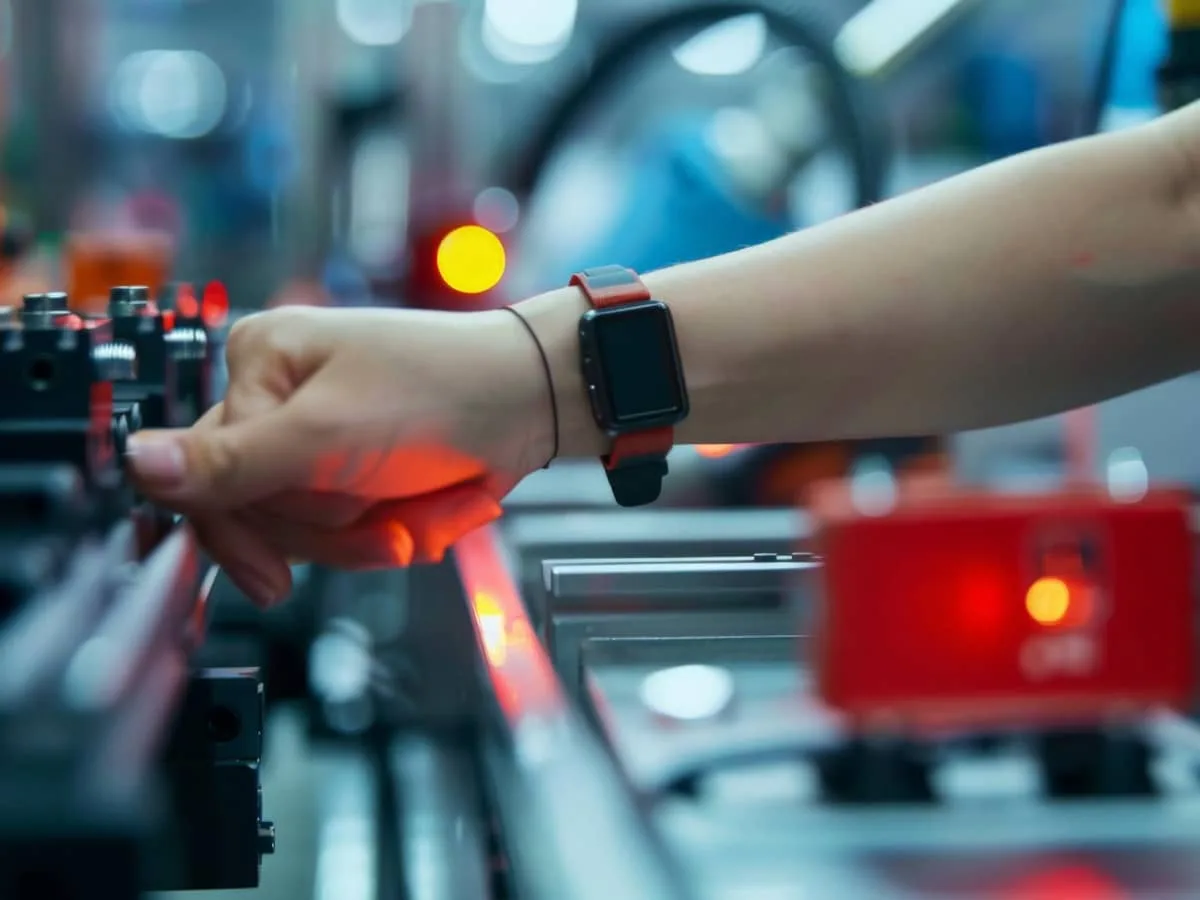
Modern manufacturing builds on centuries of evolution to produce goods efficiently and at scale.
Today, it relies on several integrated components to keep production flexible, precise, and productive:
- Digitalization through Manufacturing Execution Systems (MES) gives real-time visibility and control over operations.
- Automation with robots and cobots handles repetitive or precise tasks, improving speed, quality, and safety.
- Quality management ensures standards are met through inspections and traceability.
- Logistics integration keeps supply chains synchronized, reducing delays and optimizing resources.
Digitalization acts as a central nervous system, feeding data to automated machinery and quality systems for precise production. Logistics uses this data to align supply with demand, while human workers oversee the processes and are responsible for troubleshooting.
Together, these components create a smart manufacturing environment that meets modern industrial demands efficiently.
Key Trends Shaping the Future of Industry and Manufacturing
The top key trends shaping the future of industry and manufacturing from 2025 to 2030 include:
1. Digital Transformation and Smart Manufacturing
Digital transformation is revolutionizing manufacturing with AI, IoT, cloud computing, and automation. According to Deloitte, about 76% of manufacturers have started implementing smart manufacturing initiatives to enhance production efficiency, supply chain visibility, and reduce costs.
Smart factories enabled by IoT sensors and AI-driven predictive maintenance help prevent equipment failures and optimize performance.
2. Sustainable Manufacturing and Circular Economy
Companies are integrating eco-friendly processes, recycling materials, and reducing carbon footprints, which supports environmental goals and meets the rising demand for green products.
Sustainable practices also help mitigate supply chain risks related to increasingly stringent environmental regulations, ultimately protecting long-term business viability.
3. Regionalized Supply Chains and Low-Carbon Initiatives
To reduce transportation emissions, costs, and tariffs such as the Carbon Border Adjustment Mechanism (CBAM), manufacturers are regionalizing supply chains closer to demand centers. This transition supports more resilient and sustainable supply chains, improving business continuity amid global disruptions.
Establish Your Manufacturing Business in Subang Smartpolitan
Industry and manufacturing today drive efficiency and competitiveness in a fast-changing global economy. To adapt, companies must integrate advanced technologies and optimize supply chains.
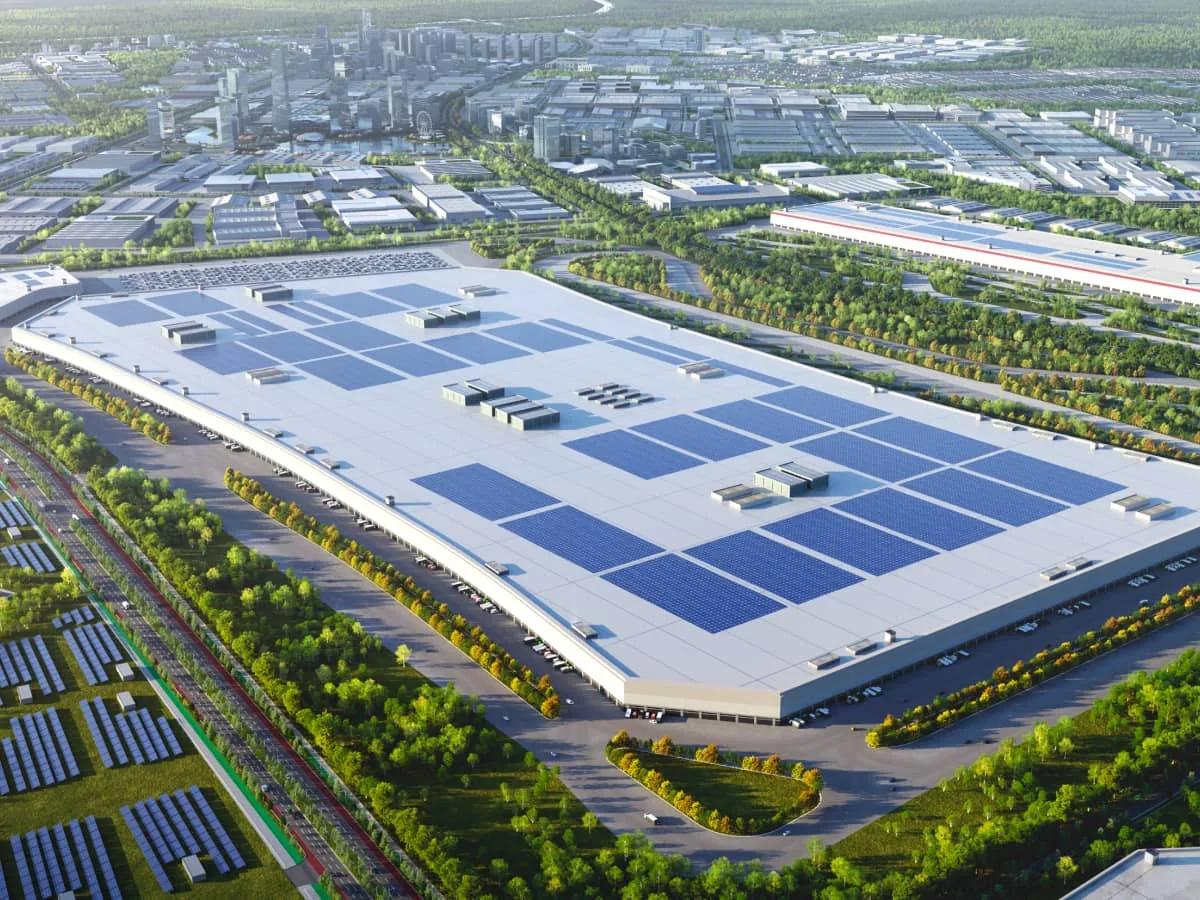
Ready to take your manufacturing business to the next level? Subang Smartpolitan combines advanced digital infrastructure, smart grids, and Industry 4.0-ready facilities to help you scale efficiently.
Explore how to establish your operations today and gain a competitive edge in West Java’s industrial corridor!
FAQ
1. What is the difference between industry and manufacturing?
Industry refers to the broad sector of economic activity involving the production of goods and services. Manufacturing is a subset of industry focused specifically on the transformation of raw materials into finished products through processes and machinery.
2. Why is modern manufacturing important for my business?
Modern manufacturing enables businesses to stay competitive by quickly adapting to market changes and adopting advanced technologies like automation and data analytics.
3. How can businesses adapt to Industry 4.0 trends?
Businesses can adapt by integrating digital technologies such as IoT, AI, and robotics into their operations. Emphasizing smart manufacturing practices, workforce training, and data-driven decision-making will help optimize productivity and innovation.
4. How does Subang Smartpolitan support sustainable manufacturing?
Subang Smartpolitan offers Industry 4.0-ready infrastructure with IoT and smart systems enabling energy optimization and resource efficiency.
5. What are the logistics and connectivity advantages of Subang Smartpolitan?
Subang Smartpolitan is strategically located near Patimban Seaport, Kertajati International Airport, Trans-Java Toll Road, and future high-speed railway. This facilitates efficient supply chain logistics, reduces transportation time, and lowers carbon emissions for businesses operating there.