


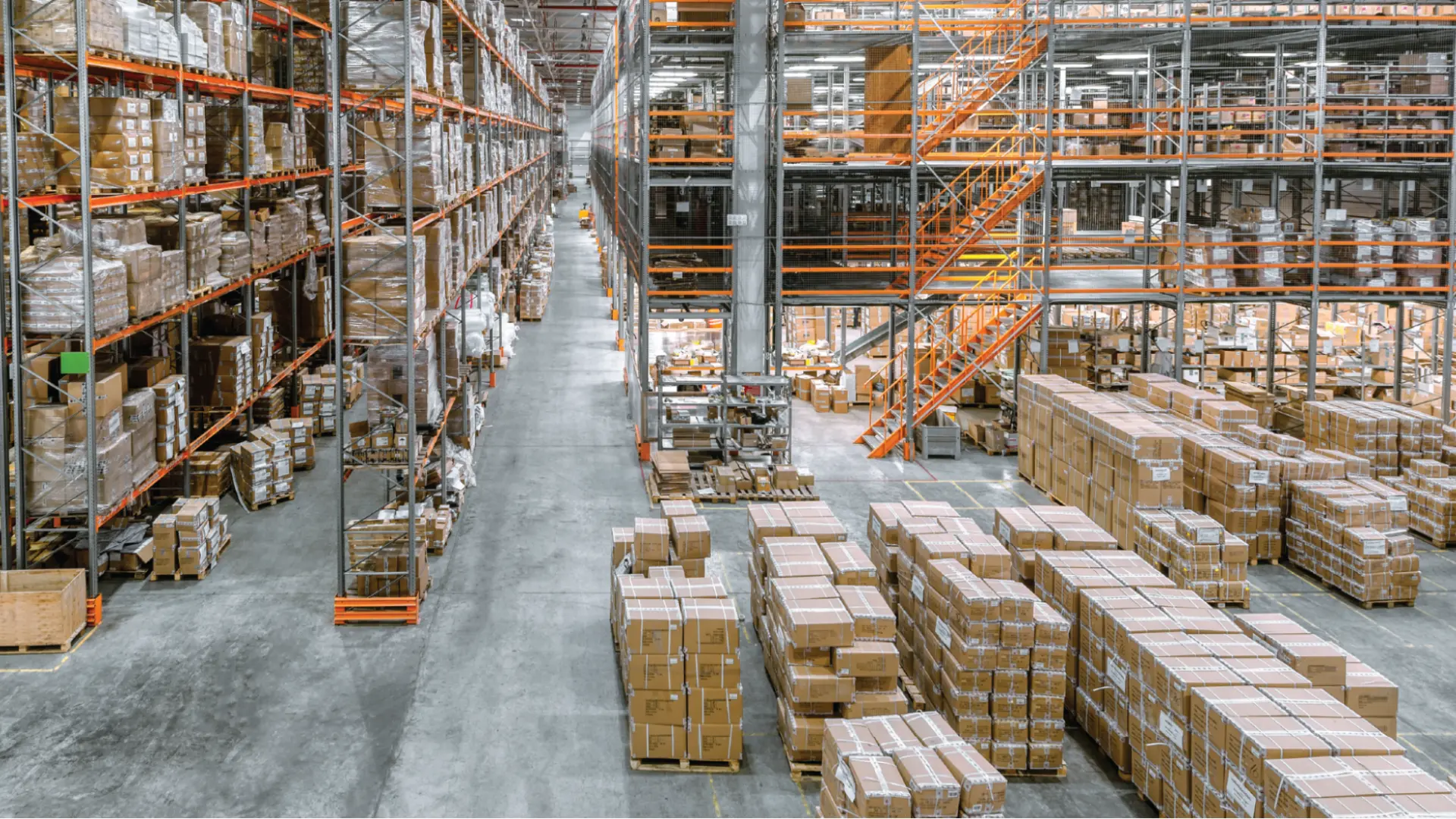

As supply chains grow more complex, businesses are increasingly dependent on efficient distribution structures. An industry distribution center plays a central role in managing the movement of goods across regions, helping companies connect production, storage, and delivery within a single operational flow.
An industry distribution center functions as a strategic hub where goods are received, stored, and redistributed to support business continuity and scalability. For you as a business decision maker, understanding the role of distribution centers is essential for improving logistics efficiency and supporting long-term supply chain performance.
What Is an Industry Distribution Center?
An industry distribution center is a facility designed to receive, store, process, and distribute goods as part of a broader supply chain. Unlike simple storage warehouses, distribution centers play an active role in managing inventory flow and ensuring timely delivery to multiple destinations.
In practice, an industry distribution center supports activities such as order processing, sorting, packaging, and cross-docking. For you, this means goods can move through the supply chain more efficiently, reducing lead times and improving coordination between manufacturing, logistics, and retail or commercial channels.
Industry distribution centers are typically positioned in strategic locations to maximize accessibility to transportation networks. Their role extends beyond storage, making them a critical component in supporting scalable and responsive supply chain operations.
Read more: Retail Supply Chain Management for Efficient Distribution
Key Functions of an Industry Distribution Center
An industry distribution center performs several core functions that ensure goods move efficiently across the supply chain. Each function plays a specific role in supporting speed, accuracy, and coordination within distribution operations.
1. Receiving and Inbound Handling
This function focuses on accepting goods from manufacturers or suppliers, followed by inspection and documentation. Accurate inbound handling helps maintain inventory integrity and prevents errors from spreading through the distribution process.
2. Storage and Inventory Management
Products are stored in a structured system that allows easy access and efficient stock rotation. For you, effective inventory management supports product availability while helping control storage and handling costs.
3. Order Processing and Fulfillment
Distribution centers manage picking, packing, and preparing goods for outbound delivery. This function directly affects order accuracy, delivery speed, and overall service reliability.
4. Sorting and Distribution
Goods are sorted based on destination, delivery schedules, or distribution channels. Proper sorting ensures that products reach the right locations efficiently and on time.
5. Cross-Docking Operations
In cross-docking, goods are transferred directly from inbound to outbound shipments with minimal storage. This function reduces handling time and supports faster distribution cycles, especially for high-volume or time-sensitive products.
Key Benefits of an Industry Distribution Center
An industry distribution center provides several strategic benefits that directly impact supply chain efficiency and business performance. These benefits become increasingly important as distribution networks grow in scale and complexity.
1. Improved Distribution Efficiency
By centralizing receiving, storage, and outbound operations, an industry distribution center helps streamline product movement. For you, this results in shorter lead times and more reliable delivery across multiple locations.
2. Better Inventory Control and Visibility
Distribution centers provide clearer visibility into inventory levels and product flow. This helps businesses reduce overstock, prevent shortages, and make more informed replenishment decisions.
3. Cost Optimization Across Logistics Operations
Efficient handling, optimized storage, and coordinated transportation help lower overall logistics costs. An industry distribution center allows businesses to consolidate operations and reduce unnecessary handling and transportation expenses.
4. Scalability to Support Business Growth
As distribution volumes increase, a well-designed distribution center can scale operations without major disruptions. This flexibility supports business expansion across regions or new markets.
5. Stronger Coordination Across the Supply Chain
Industry distribution centers act as coordination points between manufacturers, logistics providers, and downstream channels. This improves alignment across the supply chain and reduces operational friction.
Why Industry Distribution Centers Matter
Industry distribution centers play a critical role in maintaining the efficiency and reliability of modern supply chains. As businesses manage higher distribution volumes and wider geographic coverage, distribution centers help ensure that goods move smoothly from production to end markets.
For you, the presence of a well-located distribution center can significantly improve operational performance. Faster order fulfillment, better inventory control, and reduced transportation complexity all contribute to more predictable and resilient supply chain operations.
Industry distribution centers also support long-term competitiveness. By strengthening coordination between manufacturing, logistics, and downstream channels, distribution centers allow businesses to scale more effectively while maintaining service quality. This makes them a strategic asset rather than a purely operational facility.
Read more: Industry and Manufacturing: Understanding Their Role in Today’s Economy
Supporting Scalable Distribution Through the Right Industrial Environment
Industry distribution centers are more than facilities for the storage and movement of goods. They are strategic assets that support efficiency, coordination, and scalability across the supply chain. As distribution networks expand and market demands increase, the role of well-planned distribution centers becomes increasingly important.
For you, achieving optimal distribution performance depends not only on internal processes but also on the surrounding environment. Infrastructure, connectivity, and access to major transportation networks play a critical role in determining how effectively a distribution center operates. Without these foundations, distribution efficiency can be difficult to sustain.
Integrated industrial developments such as Subang Smartpolitan are designed to support modern distribution and logistics operations. With strategic connectivity, reliable infrastructure, and long-term planning, Subang Smartpolitan provides an environment where industry distribution centers can operate efficiently and scale alongside business growth.
FAQ
1. What is an industry distribution center?
An industry distribution center is a facility that receives, stores, processes, and redistributes goods as part of a larger supply chain. It plays an active role in managing inventory flow and supporting efficient distribution.
2. How is an industry distribution center different from a warehouse?
Unlike a traditional warehouse that focuses mainly on storage, an industry distribution center handles additional functions such as order fulfillment, sorting, cross-docking, and outbound distribution to multiple destinations.
3. Why are industry distribution centers important for supply chains?
Industry distribution centers help improve delivery speed, inventory control, and coordination across the supply chain. They enable businesses to scale distribution operations while maintaining efficiency and reliability.
4. What factors determine the effectiveness of an industry distribution center?
Key factors include strategic location, access to transportation networks, infrastructure reliability, and the ability to integrate with logistics and supply chain partners.
5. How does location impact an industry distribution center’s performance?
Location directly affects transportation efficiency, delivery lead times, and operating costs. A well-located distribution center allows businesses to connect production sites with markets more effectively.


Leave a Comment