

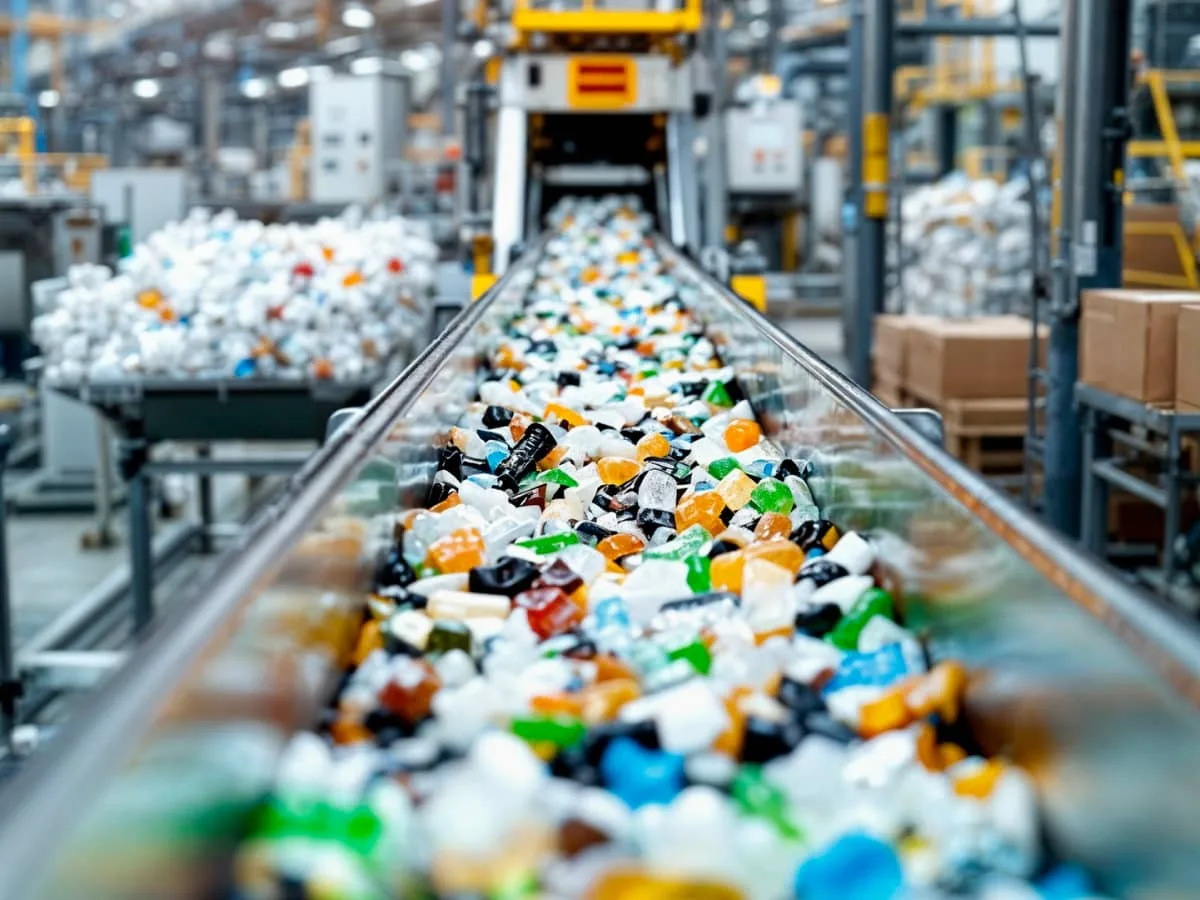
Ever felt like production costs are spiraling while competitors seem to pull ahead? The Indonesian plastic manufacturing sector is full of hidden opportunities for companies ready to adopt modern processes and smarter logistics. Let’s walk through the opportunities your business shouldn’t miss!
Overview of Plastic Manufacturing in Indonesia
According to IMARC Group, the Indonesian plastics market was valued at USD 7.84 billion in 2024 and is projected to grow at a compound annual growth rate (CAGR) of 5.99%, reaching USD 14.03 billion by 2033. The market size by production volume is estimated to reach over 9 million tons by 2030, growing at a CAGR of approximately 4.78% from 2025 to 2030.
Domestically, demand is supported by Indonesia’s steady economic growth, expanding middle class, and government initiatives promoting petrochemical feedstock development and recycling efforts.
Globally, Indonesia benefits from its strategic location in Southeast Asia for plastic exports but faces increasing pressure to comply with sustainable and circular economy policies.
Key Types of Plastics Used in Indonesian Manufacturing
According to market analysis by Mordor Intelligence, traditional plastics dominate about 74.56% of the Indonesian plastics market as of 2024.
The major traditional plastics include:
- Polyethylene (PE): Most widely used for flexible films, shopping bags, agricultural sheets, and packaging.
- Polypropylene (PP): Increasingly used for rigid packaging and automotive components due to its chemical resistance and durability.
- Polyvinyl Chloride (PVC): Common in building construction for pipes and conduits.
- Polystyrene (PS): Used in packaging and disposable consumer goods.
Engineering plastics, which make up a smaller segment but have higher unit values, include:
- Polyethylene Terephthalate (PET): Widely used and increasingly recycled for beverage bottles and packaging.
- Polycarbonate (PC), Acrylonitrile Butadiene Styrene (ABS), Polyamides, and others: Used in automotive parts, electronics, and household goods for enhanced mechanical and thermal properties.
Bioplastics are emerging but still account for under 5% of the market. They are growing due to regulatory support for compostable packaging.
Common Plastic Manufacturing Processes in Indonesia
Source: Freepik
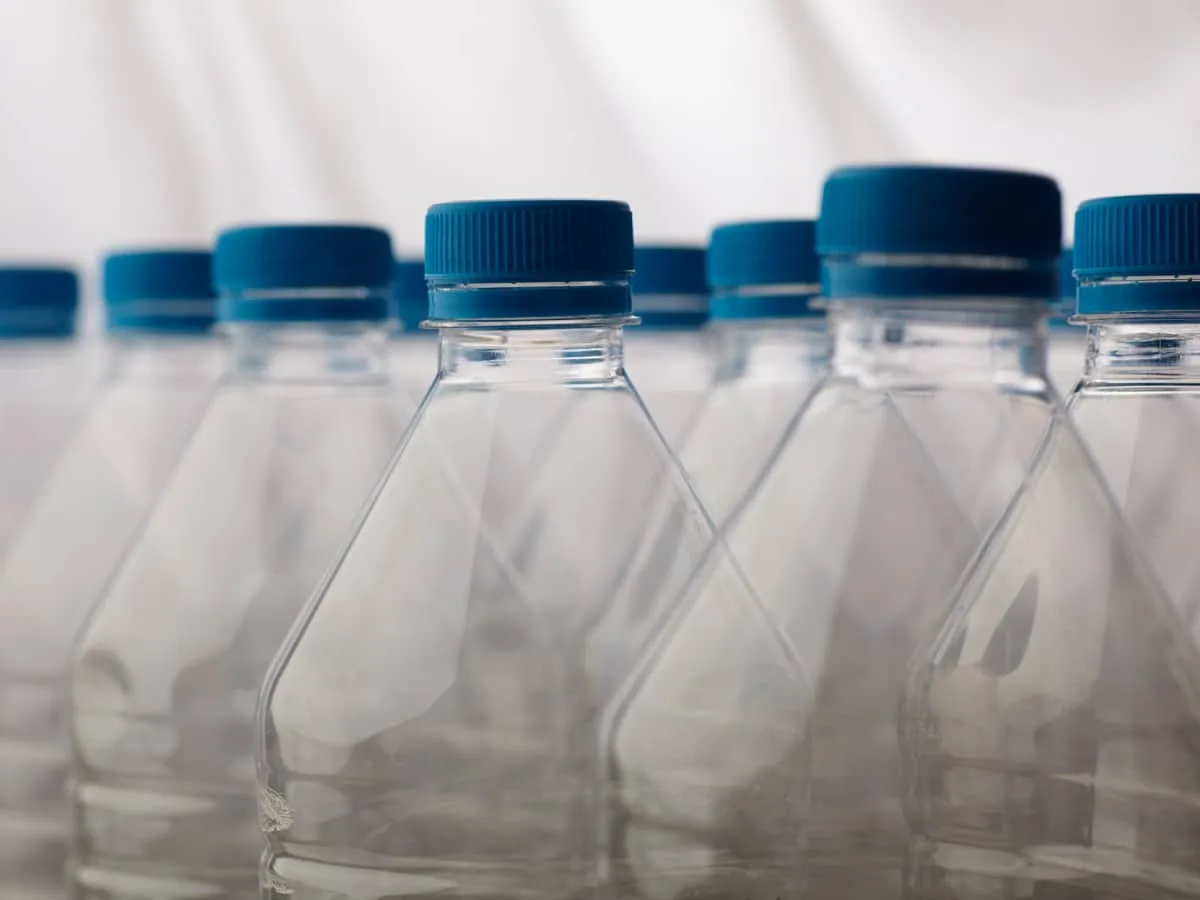
Common plastic manufacturing processes in Indonesia primarily include injection molding, extrusion, and blow molding:
1. Injection Molding
According to data from Mordor Intelligence, injection molding dominates the market with 46.13% share in 2024. It involves melting plastic pellets and injecting them at high pressure into metal molds to create various products.
This process is widely used for automotive parts, household goods, and packaging components due to its precision and ability to produce complex shapes.
2. Extrusion
Extrusion is used to produce films, sheets, pipes, and profiles by forcing melted plastic through a shaped die. It caters to both large manufacturers and smaller job shops, mainly for flexible packaging and construction materials.
3. Blow Molding
Blow molding is growing steadily (5.17% CAGR forecast) and is used for making hollow plastic products such as bottles and containers, especially for the beverage and personal care industries. Investments in advanced molds and multi-layer preforms enable weight savings and the incorporation of recycled content.
How Big Is the Plastic Sector in Indonesia?
The plastic sector in Indonesia is substantial and growing steadily. According to IMARC Group, the Indonesian plastics market was valued at USD 7.84 billion in 2024 and is projected to reach USD 14.03 billion by 2033, growing at a compound annual growth rate (CAGR) of 5.99% from 2025-2033.
In volume terms, the Indonesian plastics market was estimated at about 7.37 million tons in 2025 and is forecasted to grow at a CAGR of 4.78% to reach over 9.31 million tons by 2030, according to Mordor Intelligence.
Opportunities in Indonesia’s Plastic Manufacturing Sector
Source: Freepik
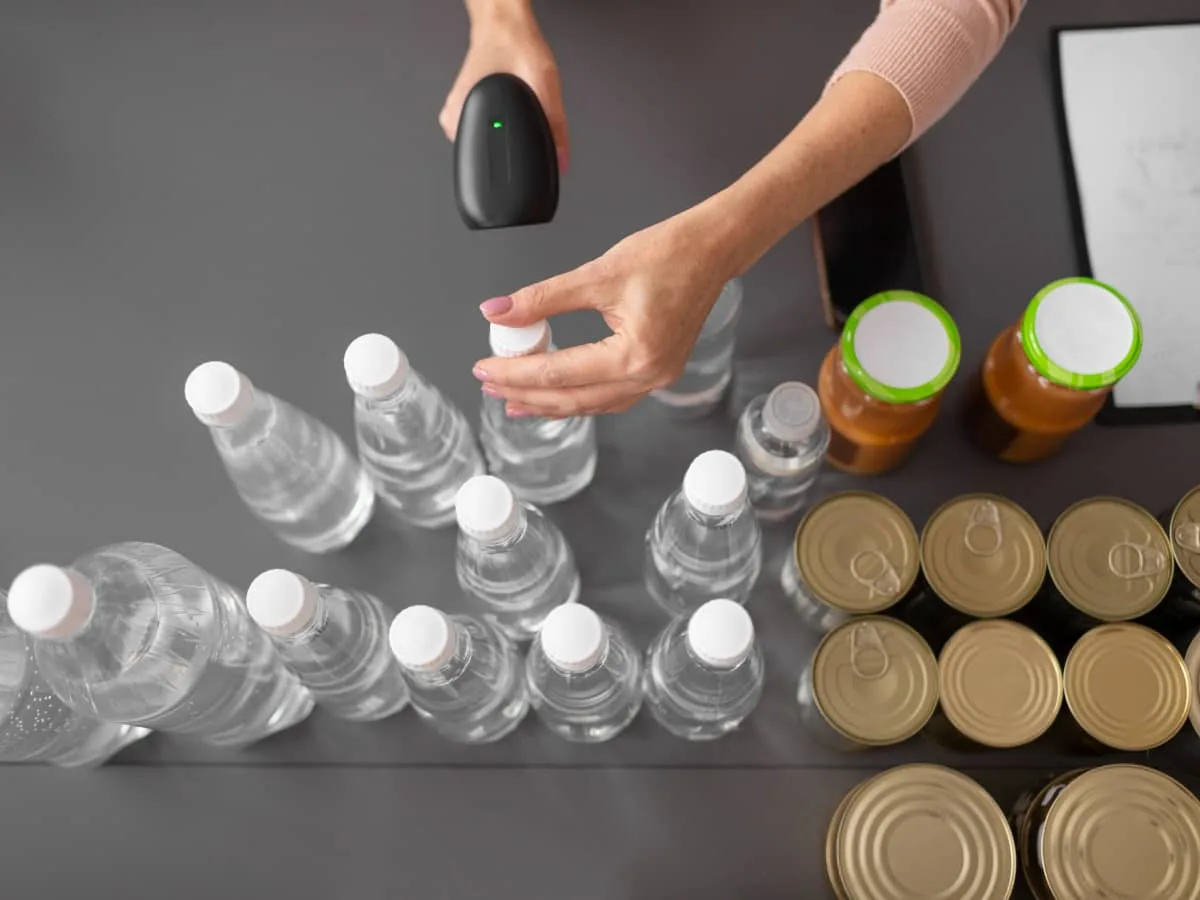
Strong demand from the FMCG sector drives much of the growth, with the plastic packaging market valued at USD 4.7 billion in 2024.
Key opportunities include:
- The demand for FMCG alone, according to Mordor Intelligence, accounts for 44.1% of plastics consumption driven by food, beverage, and growing e-commerce sectors that require flexible and cost-effective packaging solutions.
- Expansion in electric vehicle manufacturing and infrastructure development boosts plastics demand for components such as lightweight materials, pipes, insulation, and fittings.
- With government sustainability initiatives and regulations, the use of recycled plastics is rising, supporting circular economy practices.
Moreover, plastic manufacturing often intersects with other growing sectors in Indonesia, such as textiles and beverages. Learn more about how textile and beverages industries are evolving
The Shift Toward Sustainable and Smart Plastic Manufacturing
Policies such as the “Stop Plastic Pollution” campaign launched in 2025 and Extended Producer Responsibility (EPR) rules pushing manufacturers to adopt recycling, biodegradable plastics, and greener practices.
Key requirements include:
- Achieve a 13% recycling rate by 2025 under marine debris reduction programs.
- Cut packaging waste by 30% by 2029 through EPR mandates.
- Leverage expanded waste-bank facilities to access sorted feedstock and support industrial-scale recycled resin use.
These efforts promote circular lifecycle management, aiming for 100% plastic waste management by 2029
Why Indonesia Is a Strategic Hub for Plastic Manufacturing
Indonesia’s position as an archipelago with natural ports provides easy access to major Asian markets and global trade routes.
With a dense population, rapid urbanization, and growing industrial sectors like packaging, automotive, and construction, Indonesia offers vast domestic demand supporting scale and diversification.
Moreover, Indonesia also benefits from:
- Government policies that promote foreign investment, infrastructure development, and industrial decentralization to create a conducive environment for manufacturing growth and innovation.
- Abundant renewable resources such as plant oils and sugars enable advancements in sustainable and bio-based plastics.
The Future of Plastic Manufacturing in Indonesia

As Indonesia’s plastic sector grows, efficiency and sustainability are key to staying competitive. Subang Smartpolitan provides the ideal platform to accelerate your growth and optimize operations.
With ongoing phased developments increasing logistics capacity and industrial facilities, Subang Smartpolitan is purpose-built to support high-growth sectors like automotive, electronics, FMCG, and pharmaceuticals.
Explore how Subang Smartpolitan smart infrastructure, strategic location, and sustainable design can transform your manufacturing.
FAQ
1. What makes Indonesia an attractive location for plastic manufacturing?
Indonesia offers a large domestic market, strategic location in Southeast Asia, integrated petrochemical facilities, and growing infrastructure, making it ideal for regional supply chains and exports.
2. Which sectors drive demand for plastics in Indonesia?
Key sectors include packaging (especially FMCG and e-commerce), automotive (including EV components), construction, electronics, and consumer goods.
3. How can businesses scale efficiently in Indonesia’s plastics sector?
By investing in automation, data-driven processes, sustainable materials, and strategic locations like Subang Smartpolitan that integrate logistics, workforce, and industrial ecosystems.