


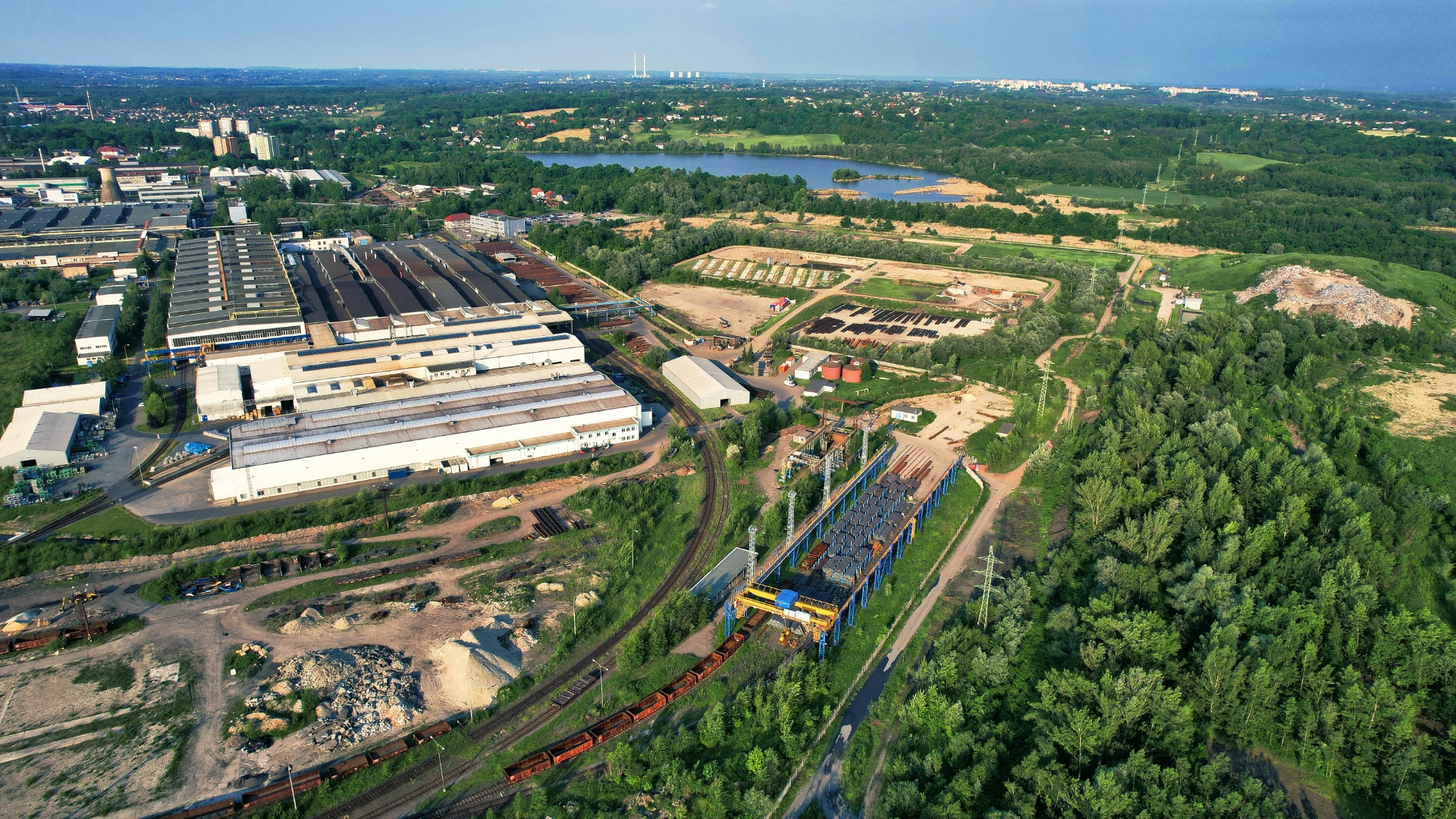

A manufacturing location that looks perfect on paper can become a logistical nightmare if it can’t support your business to meet your peak demands. Is your current site a foundation for growth, or is it a site waiting to drain your capital through endless retrofits?
The manufacturing site is vital for operational success and growth. Hence, each requirement must be aligned with your business strategy. Understanding the various elements of facility requirements can help you craft a winning location strategy that positions your business for success.
What Is a Manufacturing Location?
A manufacturing location is the specific site legally designated as a hub for production and assembly. It’s where labor, machinery, and technology transform raw materials into finished products.
A manufacturing location matters because it dictates the profitability, speed, and legal standing. It’s the foundation of the supply chain. Thus, a wrong location may lead to logistical bottlenecks and regulatory headaches.
Key Factors in Choosing a Location
Picking the right site for your factory is a challenging quest, but it is possible. Factors to consider include costs, the workforce, and local resources to keep your production lines running smoothly.
1. Labor Cost and Availability
Imagine building a high-tech lab in a town where no one knows how to code. You’re looking for a community where the local skill set matches your technical needs, and the cost of living supports competitive, sustainable wages. Without the right hands on deck, even the most advanced robots are just expensive paperweights.
2. Logistics and Supply Chain Access
In manufacturing, transit time can be a competitive advantage. If raw materials are coming from the coast but your factory is buried deep in the mountains, you’re paying a “distance cost” on every single item you make. Long-term success belongs to the builders who position themselves at the crossroads of their suppliers and their customers.
3. Infrastructure Readiness
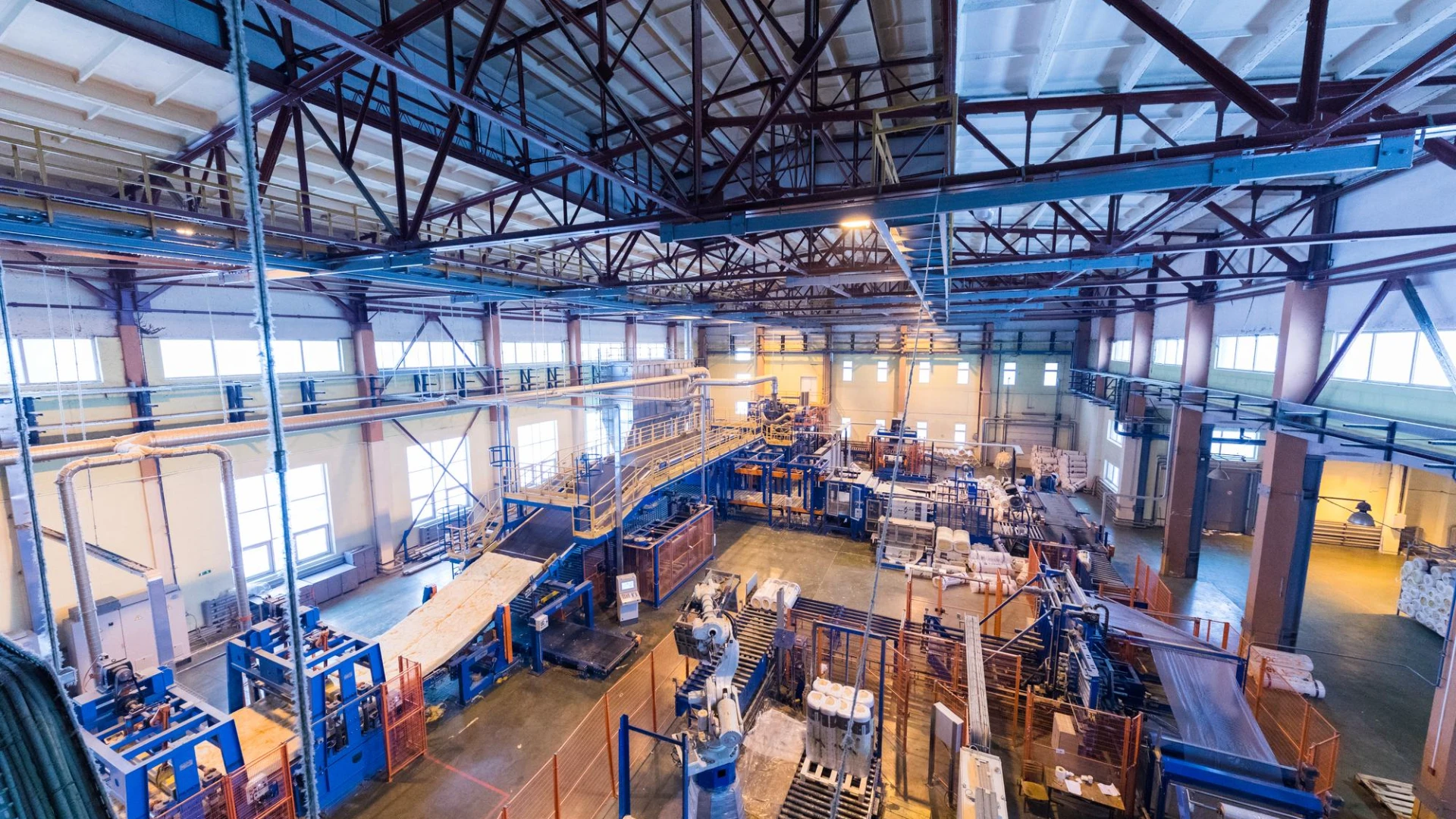
A factory’s strategic location heavily relies on a physical network of sturdy bridges, wide highways, and reliable rail spurs. If the local roads can’t handle the weight of outbound freight, or the internet connectivity isn’t at its best, your operations will face constant, expensive friction. You want a site that is “plug-and-play” ready to support heavy-duty movement.
4. Utilities and Energy
It is as simple as being certain that when you flip the switch, the lights stay on. Even a 10-minute power outage is not just inconvenient; it can cause factory downtime, leading to lost revenue.
5. Regulatory Environment
Every region has its laws and taxes. Some areas offer a warm welcome with tax credits and streamlined permitting, acting as a tailwind for your growth. Others might have complex zoning laws or environmental hurdles.
Finding a manufacturing location with a stable, predictable, and supportive government ensures your focus stays on the product rather than the paperwork.
Read More: Why Indonesia Matters in Expanding Medical Equipment Manufacturing in Asia
Cost Considerations in Manufacturing Location
Selecting a site for production involves calculating the initial capital investment and the long-term expenses required to keep the operation moving.
1. Fixed vs Operational Cost
In manufacturing, financial health depends on understanding the relationship between getting started and staying in business.
Fixed costs are land acquisition, facility construction, and machinery installation. Whereas operational costs are the expenses required to maintain production, which include utility rates, wages, and logistics.
Inexpensive real estate can entail high energy tariffs or limited labor, resulting in higher operational costs.
2. Hidden Costs
A site may appear affordable until you factor in the cost of navigating poor local infrastructure. If the local workforce lacks the necessary technical expertise, your organization must absorb the costs of intensive training programs and higher turnover. Unforeseen delays in local permitting or sudden changes in environmental compliance can affect production.
Scalability and Future Expansion
The ideal industrial location isn’t just a footprint for today’s output; it’s a scalable ecosystem designed to accommodate your enterprise’s evolution over the next decade.
1. Land Availability
When a product becomes a hit, you don’t want to be forced to move your entire operation just because you can’t fit a second assembly line or a larger warehouse on your current plot. A strategic location offers flexibility with plenty of room to grow.
2. Long-Term Production Planning
A manufacturing location is not a short-term rental. Long-term planning involves looking at the local environment’s future: Is the city expanding toward your industrial zone? Will the local power grid be upgraded to handle more heavy machinery in five years?
By choosing a location that aligns with your roadmap for automation, increased volume, or new product lines, you ensure that your facility remains an asset as your business evolves.
Common Mistakes to Avoid
To help prevent high long-term costs, it is important to avoid the following common mistakes related to upfront pricing and logistics accessibility.
1. Price Above All Else
A “cheap” site can quickly become the most expensive mistake your company ever makes if it lacks the resources to support growth.
Generous incentive packages can be attractive, but they should never outweigh fundamental operational requirements, such as logistics access, workforce quality, and infrastructure readiness.
A location chosen primarily for incentives may appear financially beneficial in the short term, but often results in higher long-term operating costs that far exceed any initial price advantage.
Incentives must be evaluated in terms of their actual usability, the conditions under which they operate, and hidden costs. Without this balance, companies risk selecting a site that is financially optimized on paper but operationally inefficient in practice.
2. Ignoring Logistics
If your site is far from major highways, lacks a nearby rail spur, or is in a region prone to seasonal weather-related shutdowns, your supply chain will suffer from constant congestion. It’s important to always map out the journey of your materials and products before you sign on the dotted line.
3. Overlooking Workforce Availability and Skill Fit
Selecting a manufacturing location without a deep understanding of local labor conditions can severely impact long-term performance. Beyond basic availability, manufacturers must evaluate whether the local workforce has the technical skills required for modern production and the capacity to scale alongside business growth.
Poor labor alignment often leads to higher recruitment costs, increased training burdens, and reduced production efficiency. In many cases, even locations with strong incentives become unsustainable when the talent pool cannot support operational demands.
4. Inadequate Due Diligence on Site Conditions
Failing to conduct thorough due diligence is one of the most costly mistakes in manufacturing location selection. Critical factors, such as soil stability, environmental constraints, flood risk, and land ownership issues, directly influence development feasibility and construction costs.
Ignoring these elements can result in unexpected infrastructure upgrades, delays in permitting, and significant budget overruns. Proper technical and legal evaluation ensures that the location is truly viable for long-term industrial use, not just immediately available land.
Manufacturing Location vs Site Selection
The process of establishing a new facility is divided into two distinct phases: Strategic Location (the “Where”) and Tactical Site Selection (the “How”).
- Strategic Location
On a macro level, the Strategic view focuses on geographic screening to identify a region that aligns with the company’s mission and risk tolerance. Key drivers such as tax incentives, geopolitical stability, labor laws, and the availability of a skilled talent pool are prioritized to ensure the business remains profitable.
- Tactical Site Selection
Once a region is secured, the focus shifts to the Tactical view, where physical assets, engineering, and logistics feasibility take center stage. This phase emphasizes operational readiness and technical specifications, capacity, zoning compliance, and the availability of robust utility infrastructure such as high-voltage power and industrial water.
Final Checklist Before Making a Strategic Manufacturing Decision
Before committing to a manufacturing location, it’s better to pause and evaluate every critical factor through a structured lens. At this stage, even small oversights can translate into long-term operational inefficiencies or unexpected costs.
The following checklist will help you validate whether a site truly aligns with your production goals, scalability plans, and overall business strategy.
1. Workforce and Labor
Things to look for: skill match, labor pipeline, unionization, and wages.
2. Logistics and Supply Chain
Things to look for: proximity to suppliers and to customers, transport access, transit reliability.
3. Infrastructure and Utilities
Things to look for: utility capacity, digital connectivity, reliability, and site readiness.
4. Regulatory and Business Environment
Things to look for: zoning and permitting, incentives, and environmental compliance.
5. Cost and Scalability
Things to look for: total occupancy cost, room for expansion, and hidden costs.
Read More: How Manufacturing Resource Planning Improves Production Efficiency
Positioning Your Manufacturing Strategy for Long-Term Success
Choosing a manufacturing location is one of the most significant decisions your business will ever make, shaping not only your operational efficiency but also your long-term competitiveness. Every factor, from workforce availability to infrastructure readiness, contributes to how effectively your business can scale and adapt in an increasingly complex global market.
Now, are you ready to position your business for global success? Explore the advantages of Indonesia’s manufacturing location and discover how Subang Smartpolitan is redefining the modern industrial landscape with world-class infrastructure and a business-friendly environment.
FAQ
1. What is a manufacturing site?
A manufacturing site is a physical location where raw materials are processed and assembled into finished products. It plays a critical role in determining operational efficiency, cost structure, and supply chain performance.
2. How to choose a manufacturing location?
To choose a manufacturing location, businesses should evaluate factors such as labor availability, logistics access, infrastructure readiness, regulatory environment, and total costs. The goal is to find a site that supports both current operations and future growth.
3. What are the key factors to consider when choosing a manufacturing location?
The key factors to consider include workforce availability, logistics and supply chain access, infrastructure and utilities, regulatory conditions, and overall costs. These elements directly affect production efficiency and long-term profitability.
4. Is Indonesia a manufacturing country?
Yes, Indonesia is considered a manufacturing country, with a strong industrial sector contributing significantly to its economy. The country’s strategic location, growing workforce, and ongoing infrastructure development make it an attractive destination for both domestic and foreign manufacturing investments.


7 Comments