


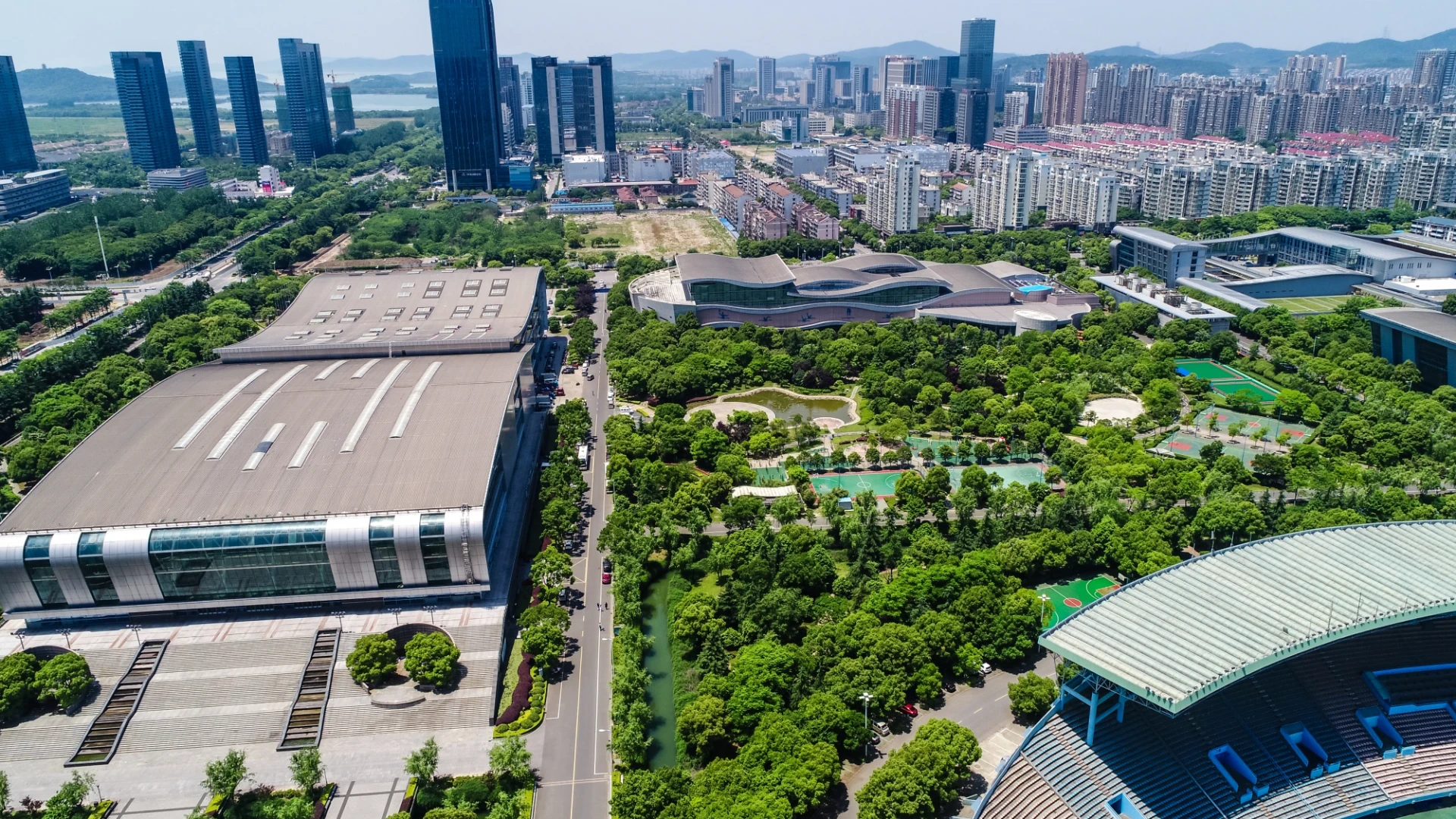

An industrial estate is far more than just a plot of land; it is a meticulously planned ecosystem. Is your current facility actually driving growth, or are hidden infrastructure gaps and logistical bottlenecks quietly draining your profit margins every single day?
In this guide, you will learn what defines these specialized hubs and how to choose a site that secures your long-term operational success.
What Is an Industrial Estate?
Industrial estates are strategically zoned hubs equipped with specialized infrastructure, including heavy-duty roads and high-capacity utilities designed to accelerate industrial growth while centralizing environmental impact management.
Types of Industrial Estates
Not all industrial parks are created equal. Depending on what you are building, the “personality” of the estate you choose will dictate how smoothly your daily operations run.
1. General vs Specialized
Think of a general industrial estate as a thriving neighborhood mall; it hosts a wide variety of businesses, all sharing the same basic roads and power lines. It’s flexible and great for companies with standard needs.
A specialized estate, on the other hand, is like a high-tech hospital. It is designed for one specific industry, such as chemicals or electronics. These sites come pre-equipped with custom features like advanced toxic waste disposal or ultra-stable power grids, that a general site simply wouldn’t have. If your process is unique or high-risk, a specialized home is a must.
2. Integrated vs Standalone
A standalone industrial estate has an independent structure. The occupants have full control of the plot and do not share amenities such as security and infrastructure.
An integrated estate, often called a smart city, is a self-contained ecosystem. It blends factories with residential housing, commercial shops, schools, and even parks. The goal here is “Live, Work, Play.”
By putting the workforce and the workplace in the same area, these estates reduce commute times, improve worker happiness, and create a more sustainable, long-term community.
Read More: Why Location Matters in Industrial Estates Development: Key Benefits Explained
Key Benefits of Industrial Estates
Moving your production to a dedicated industrial estate is like moving into a fully furnished, high-tech apartment complex rather than building a house from scratch in the middle of a forest.
1. Cost Efficiency
In a standalone site, you are responsible for everything, from building the roads to managing your own security and waste. In an industrial estate, you share these costs with your neighbors.
This economy of scale means you get the services like industrial-grade water treatment and 24/7 security for a fraction of what it would cost to do it yourself. Plus, many estates come with built-in tax breaks and government incentives.
2. Infrastructure Readiness
The biggest headache in manufacturing is downtime: waiting for power lines, high-speed internet, and road permits. One of the benefits of industrial estates is that it is plug-and-play.
The high-capacity power grids, gas lines, and heavy-duty roads are already in place and tested. This allows you to accelerate the operational process and earn revenue sooner.
3. Business Ecosystem
When you join an industrial estate, you are moving into a pre-built business neighborhood. Your suppliers might be two doors down, and your logistics partners might be just across the street.
This proximity fosters synergy, enabling companies to collaborate, share resources, and solve problems together. It’s an environment where the right connection for your next big project might just be a coffee break away.
Industrial Estate vs Other Land Types
While agricultural or unzoned plots may appear cheaper initially, they often require exhausting legal battles and massive capital outlays to install the basic utilities that industrial zones provide by default.
Ultimately, choosing a dedicated estate eliminates hassles associated with improper zoning, allowing businesses to focus on production rather than basic land development.
Factors to Consider Before Choosing an Industrial Estate
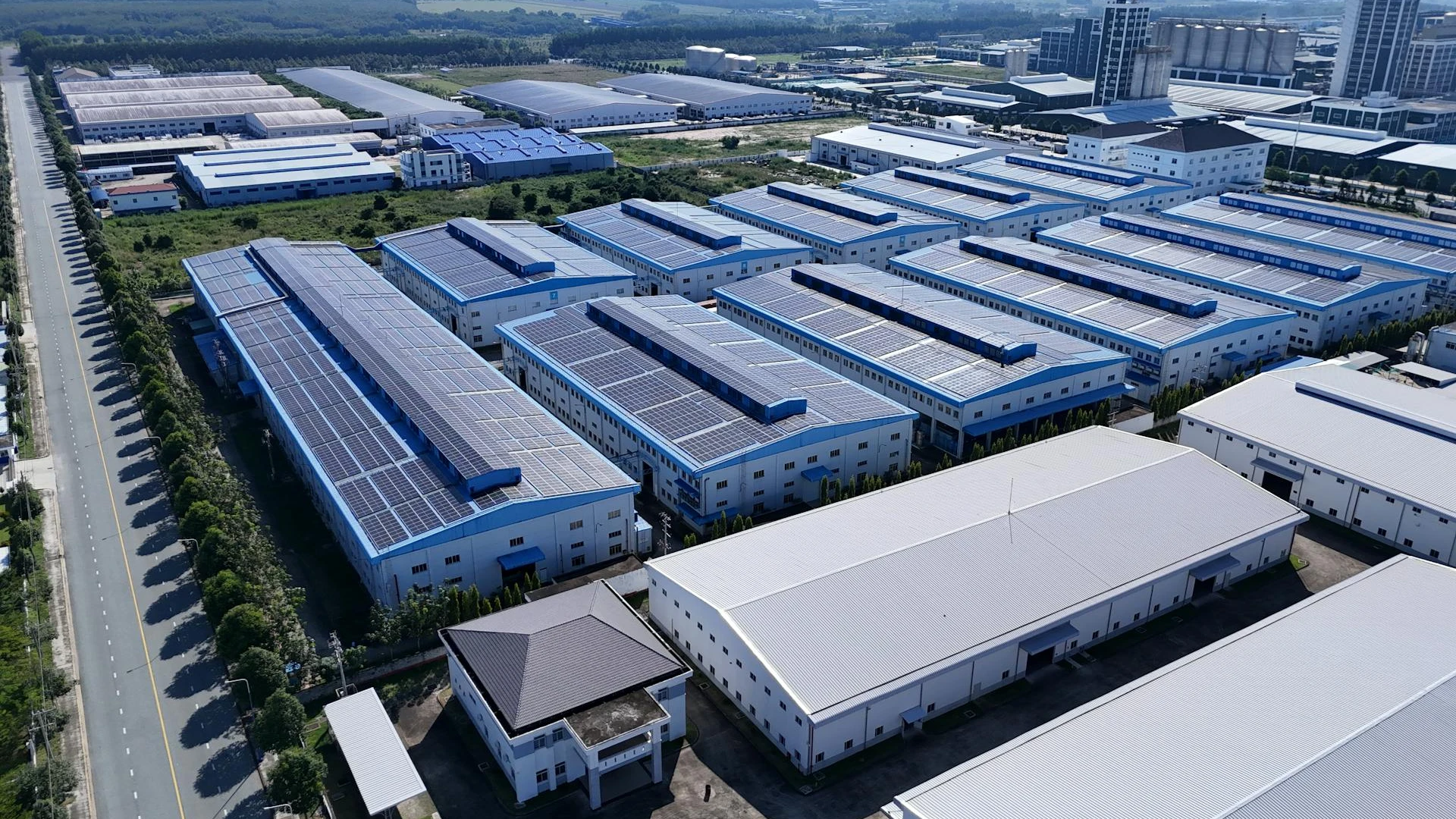
When selecting an industrial estate, you aren’t just buying land; you are buying an operational environment. The wrong choice can lead to production slowing down or unnecessary difficulty in your daily operations.
1. Location Factors
How close is the estate to major seaports, airports, and rail terminals? The facility should be able to maintain both a steady workforce and efficient freight movement.
2. Infrastructure
Access to robust utility infrastructure is critical to prevent costly failures and operational delays.
3. Scalability
A site with flexible zoning and adjacent land availability allows your business to grow and transform a fixed asset into a long-term advantage.
Future Trends in Industrial Development
Modern industrial infrastructure is evolving into a “smart” and sustainable ecosystem, leveraging AI, IoT, and renewable energy to drastically improve efficiency and environmental impact.
Furthermore, the focus has shifted toward building digital and resilient networks that prioritize autonomous operations and public-private collaboration to withstand global disruptions.
1. Smart Infrastructure
Smart infrastructure integrates IoT sensors and real-time data analytics to transform traditional facilities into highly responsive operational environments. By automating energy management and traffic flow, these systems significantly reduce waste while maximizing daily production output.
2. Sustainability
Sustainable infrastructure has evolved from a regulatory requirement into a core competitive advantage, prioritizing long-term resource security. By integrating on-site renewable energy and advanced water recycling, modern estates help tenants insulate themselves from the volatility of global utility prices while meeting strict regulations.
Read More: What is a Smart Industrial Park and Why It Matters for Global Investors
A Look at Industrial Estates in Indonesia
Indonesia remains a top destination for manufacturing investment. In 2024, the manufacturing sector contributed 18.98% of GDP, according to Business Indonesia, reflecting its strong economic importance.
With at least 120 industrial estates spread from Aceh in the west to North Maluku in the east, Indonesia has developed a vast network of integrated zones. These estates have become key drivers of economic growth, shaping manufacturing, logistics, and international investment flows throughout the archipelago.
Prominent Example of an Industrial Estate in Indonesia
When it comes to Indonesian industrial estate, Suryacipta is definitely one of the most prominent. Its Subang Smartpolitan plays a key role in driving investment and economic growth, particularly in West Java.
Job creation is one of the visions of Suryacipta’s Subang Smartpolitan. Beyond that, however, the industrial estate also serves to improve logistics efficiency, boost productivity, and increase export volumes for the automotive industry in West Java.
It is strategically located near major infrastructure, such as Patimban Port, Kertajati International Airport, the Trans-Java Toll Road, and the Jakarta-Surabaya High-Speed Rail, making it ideal for both multinational and domestic companies seeking cost efficiency and logistics proximity.
Not to mention, the estate is designed to accommodate a wide range of industries and is supported by reliable infrastructure, including power supply, water treatment, and smart digital technologies.
How Industrial Estates Contribute to Indonesia’s Growth
Industrial estates include not only factories but also supporting infrastructure such as roads, housing, and utilities, which help improve efficiency and attract investment.
To understand their impact more clearly, here’s a look at how industrial estates contribute across several key areas, from economic growth to infrastructure expansion.
1. Economic Growth
At a macro level, industrial estates significantly contribute to Indonesia’s economic growth by increasing productivity and industrial output. These zones allow businesses to operate more efficiently due to shared infrastructure and proximity to supply chains.
According to Kumparan, industrial estates and manufacturing-based zones contributed around 9.44% to Indonesia’s GDP as of the third quarter of 2025. This shows how concentrated industrial activity can generate measurable economic value.
2. Job Creation
Beyond economic figures, industrial estates play a major role in job creation. These areas serve as employment centers, absorbing a significant portion of the workforce across various industries.
Data from Warta Ekonomi indicates that industrial estates have created more than 2.3 million jobs. This large-scale employment contributes to increased household income and stronger local economies. Not to mention, higher employment levels also drive spending in surrounding areas, creating a ripple effect that benefits small businesses and service sectors.
3. Attraction of Foreign Investment
Industrial estates also serve as key entry points for foreign investment in Indonesia. Their structured environment makes it easier for global companies to set up operations with fewer barriers.
As per Kumparan, total investment in these zones has reached approximately Rp6,744 trillion, reflecting strong investor confidence.
4. Infrastructure Development
Another important contribution lies in infrastructure development, which often extends beyond the industrial zones themselves. The need to support industrial activity drives improvements in transportation, utilities, and public services.
Kompas reports that industrial estates are equipped with essential infrastructure such as roads and ports, which also benefit nearby communities. This development supports regional growth and helps reduce disparities between areas.
Afterword
The decision to invest in an industrial site is a high-stakes choice between simple floor space and a future-proofed operational ecosystem. By prioritizing strategic connectivity, robust utility infrastructure, and scalability, businesses can secure a competitive edge, mitigate long-term risks, and maximize production efficiency.
As global trends shift toward autonomous, sustainable, and human-centric designs, selecting a partner that understands this evolution is the most critical step in your expansion journey.
Explore how the right Industrial estate in Indonesia can accelerate your business growth. Discover the future of integrated manufacturing at Subang Smartpolitan.
FAQ
1. What are industrial estates?
Industrial estates are designated areas developed specifically for industrial activities such as manufacturing, warehousing, and distribution. They are equipped with essential infrastructure, such as roads, electricity, water supply, and waste management systems, to support efficient business operations.
2. What are the types of industrial estates?
Industrial estates can be categorized into several types based on their function and level of integration. The most common types include general industrial estates, specialized industrial estates, integrated industrial estates, and standalone industrial estates.
3. How many industrial estates are there in Indonesia?
Indonesia has at least more than 120 industrial estates spread across different regions of the country. These estates are developed to support industrial growth, improve infrastructure efficiency, and attract both domestic and foreign investment.
4. What is an example of an industrial estate?
One example of a prominent industrial estate in Indonesia is Suryacipta City of Industry. This integrated zone plays a crucial role in driving economic growth, creating jobs, attracting investment, and improving infrastructure in Indonesia.


5 Comments