

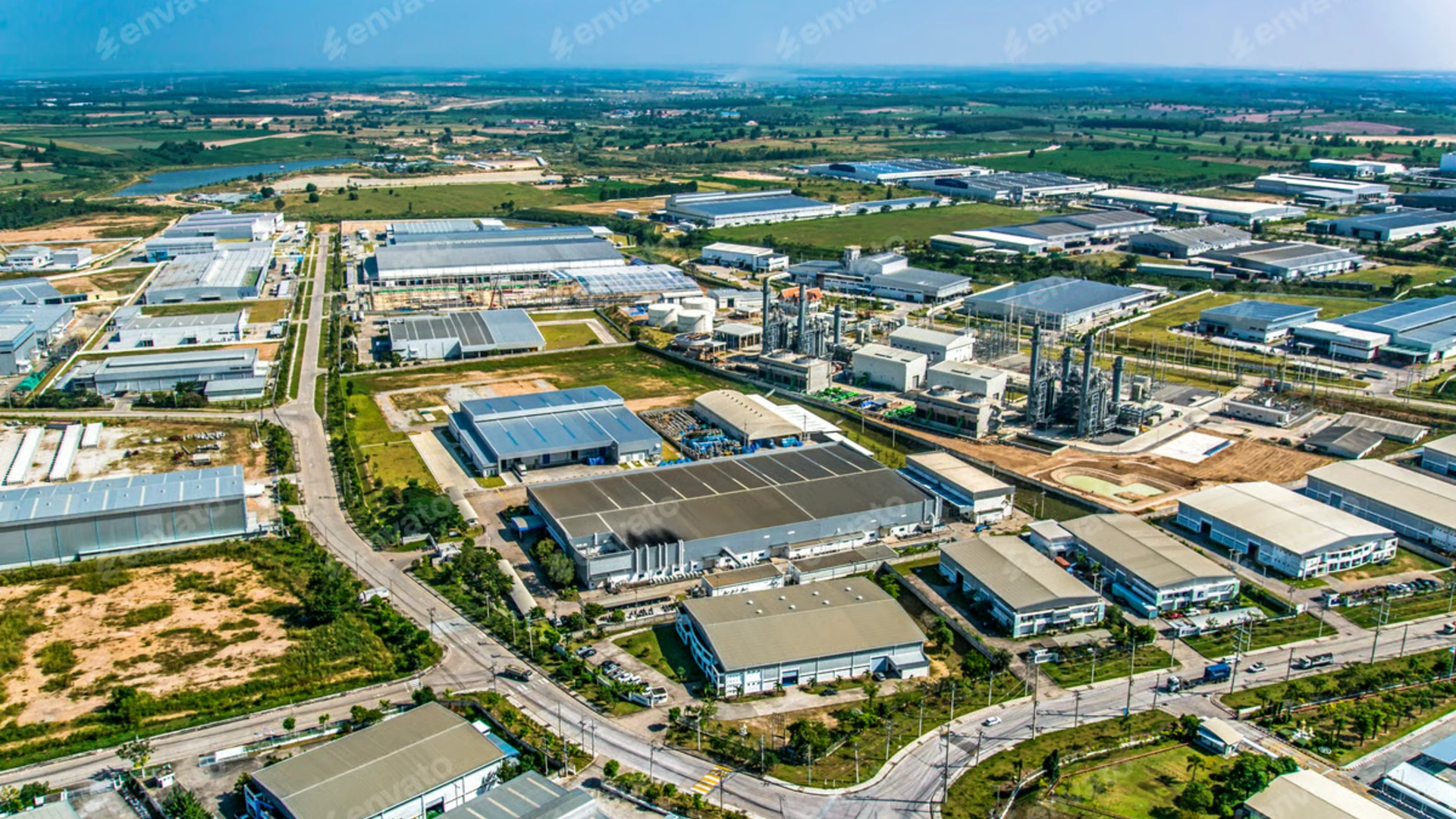
Is your current industrial estate doing enough to prevent costly downtime before it happens? Imagine a workspace that is not just static but actively monitors your efficiency and cuts energy waste in real time.
A smart industrial park turns every data point into a competitive advantage for your business. It is the future of industry where high-tech hubs solve operational challenges and ensure long-term success.
What Is a Smart Industrial Park?
A smart industrial park is an advanced, interconnected, and sustainable industrial area that leverages technologies such as 5G, the Internet of Things (IoT), and artificial intelligence (AI) to enhance efficiency, safety, and environmental sustainability.
Unlike a traditional one, a smart industrial park is highly predictive, enabling tenants to anticipate downtime and prevent bottlenecks.
Key Features of Smart Industrial Parks
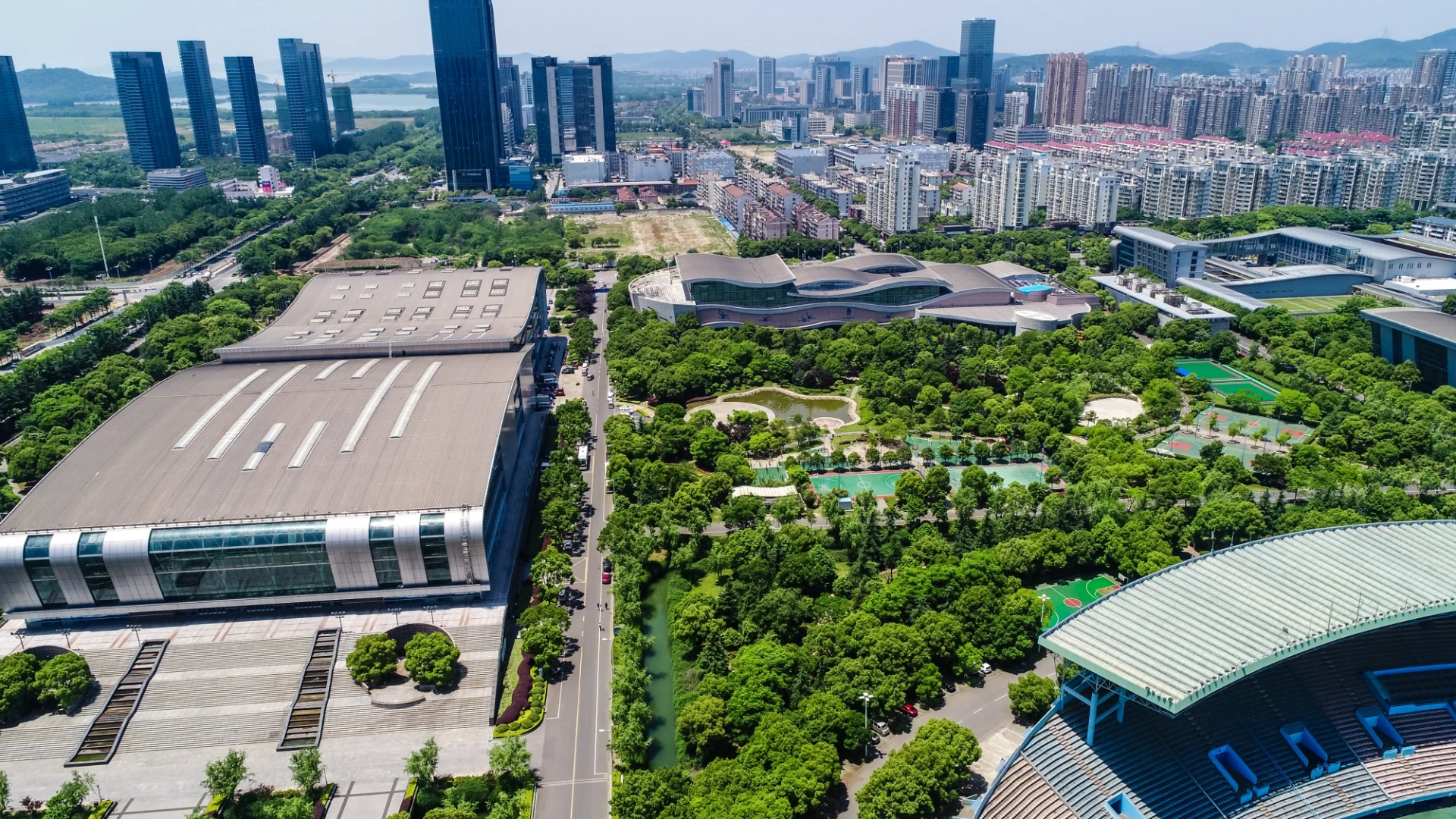
Smart Industrial Parks (SIPs) transform static physical spaces into dynamic, data-driven environments. By embedding technology into every layer of operations, these parks maximize efficiency, reduce costs, and minimize environmental impact.
1. IoT-enabled Infrastructure
The backbone of any SIP is a dense network of IoT sensors and devices. This infrastructure creates a digital system for the park, connecting physical assets to a digital interface like asset tracking GPS and RFID, or intelligent lighting and HVAC for motion and environmental sensors.
2. Real-Time Monitoring Systems
SIPs move away from manual inspections toward constant surveillance and predictive analytics. This allows management to address issues before they lead to downtime.
3. Integrated Ecosystem
A smart park functions as a unified community in which data and resources are shared among different tenants and the park management. The system identifies interactions that enable greater environmental sustainability. An integrated ecosystem also allows shared warehousing or transport systems and more controlled security.
Read More: Industrial Land Investment: What to Know
Benefits for Businesses
For companies operating within a smart industrial park, the primary advantage is the transition from a passive tenant to an active participant in a high-tech ecosystem. These parks provide the tools necessary to scale quickly.
1. Operational Efficiency
Reduced downtime through predictive maintenance alerts. Faster logistics using smart traffic management. Resource reliability for faster recovery during bottlenecks.
2. Cost Optimization
Shared infrastructure enables businesses to access shared devices such as a 5G network or centralized waste treatment. This helps lower the utility bills.
3. Data-Driven Decisions
In an SIP, management decisions are based on hard evidence rather than intuition.
- Precise Forecasting: Access to real-time data on resource usage and supply chain flow allows for more accurate production planning.
- ESG Transparency: Automated reporting tools make it easy for businesses to track their carbon footprint and provide verifiable data to stakeholders or regulators.
- Optimization Modeling: Businesses can use the park’s data platform to run “what-if” scenarios to determine the most efficient way to expand a production line or shift a work schedule.
Role of Technology in Smart Industrial Parks
Technology is inevitably the engine of a smart industrial park, replacing manual oversight with autonomous, interconnected systems.
1. Automation
Automation reduces human error and accelerates production cycles by handling repetitive or hazardous tasks without intervention.
2. Connectivity
High-speed, low-latency communication ensures that every machine and sensor can “talk” to one another. Using edge computing, processing data results in instant response times, and no data point remains isolated.
3. Digital Platforms
Digital platforms enable massive streams of data and turn it into a single, actionable interface. It also allows companies in the park to coordinate and share resources through a secure, centralized hub.
Sustainability in Modern Industrial Parks
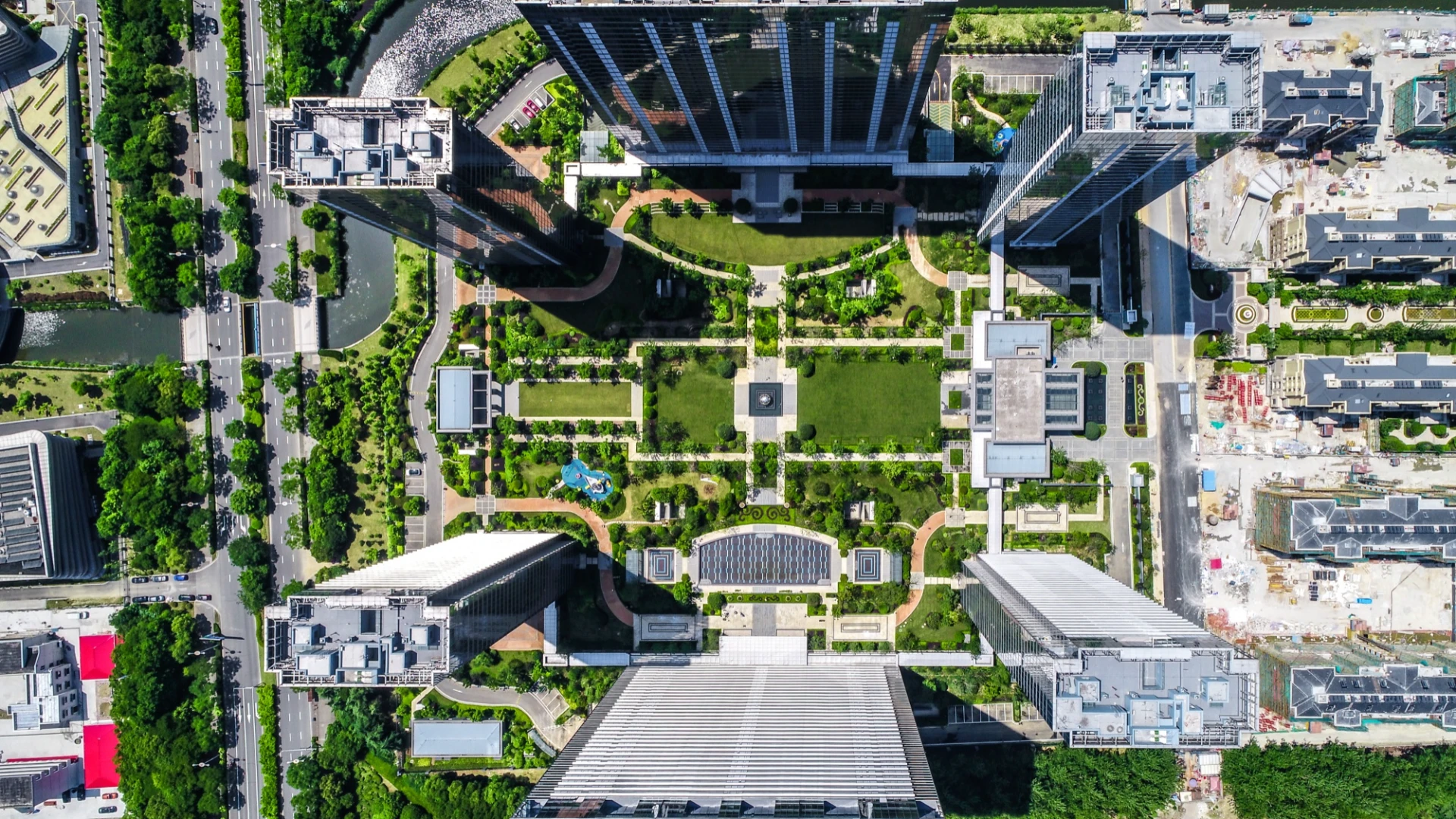
Sustainability is no longer an “add-on”; it becomes a core structural requirement for modern smart industrial parks.
1. Energy Efficiency
Smart parks treat energy as a precious resource to be balanced in real-time, moving away from the waste of traditional facilities.
2. Waste Management
A digital platform tracks the waste outputs of one factory and facilitates their sale to a neighboring factory that uses them as inputs. This mechanism can optimize waste management.
3. Environmental Impact
SIPs use technology to actively protect and report on the local ecosystem. For instance, digital platforms that automatically generate sustainability reports for regulators, ensuring that every gallon of water and kilowatt-hour is accounted for and optimized.
Read More: How to Choose the Best Manufacturing Location for Cost and Efficiency
Why Smart Industrial Parks Are the Future
Smart industrial parks represent the inevitable evolution of manufacturing, merging cutting-edge digital connectivity with rigorous sustainability standards to create a foundation for modern enterprise.
By leveraging integrated technologies such as IoT and AI-driven automation, these hubs enable businesses to significantly reduce operational overhead and carbon footprint while maximizing production agility.
If you are looking for the premier smart industrial park in Indonesia, explore the innovative solutions at Suryacipta or discover the cutting-edge potential of our flagship development, Subang Smartpolitan.
Subang Smartpolitan is more than just your average industrial park. It is built with future-ready infrastructure, from reliable road networks and smart mobility systems to 5G connectivity and IoT-driven solutions that support efficient, secure, and scalable operations.
Sustainability is also a core part of our value proposition. As environmental standards continue to shape global business decisions, Subang Smartpolitan integrates responsible practices into its development to help tenants operate with confidence.
Aligned with the Paris Agreement, Suryacipta actively supports the Sustainable Development Goals (SDGs) through practical systems, including smart grid technology, advanced water management, and sustainable wastewater solutions. These features show how we strive to always take environmental aspects into account in every convenience our technology offers.
Accelerate your business with us today. By combining reliable connectivity to major logistics hubs with the IoT-ready infrastructure of Subang Smartpolitan, you can revolutionize your operations with a sustainable, future-ready ecosystem.
FAQs
1. What is the main difference between a traditional industrial park and a smart industrial park?
While a traditional park provides basic physical infrastructure like land, roads, and power, a smart industrial park integrates a digital layer of technology. This includes IoT sensors, 5G connectivity, and centralized data platforms that allow for real-time monitoring, predictive maintenance, and automated resource management to improve overall efficiency.
2. How do businesses save money by moving to a Smart Industrial Park?
Businesses achieve significant cost savings through reduced energy consumption (via smart grids), lower maintenance costs (via predictive analytics), and shared infrastructure. By operating in an ecosystem like Subang Smartpolitan, companies can also minimize waste and streamline logistics through automated traffic and gate systems, reducing operational overhead.
3. Why is sustainability such a big focus for smart industrial parks in Indonesia?
As global markets demand greener supply chains, smart industrial parks in Indonesia help businesses meet strict ESG (Environmental, Social, and Governance) standards. Features such as integrated waste management, water reclamation, and renewable energy sources enable companies to increase production while lowering their carbon footprint and ensuring long-term regulatory compliance.