


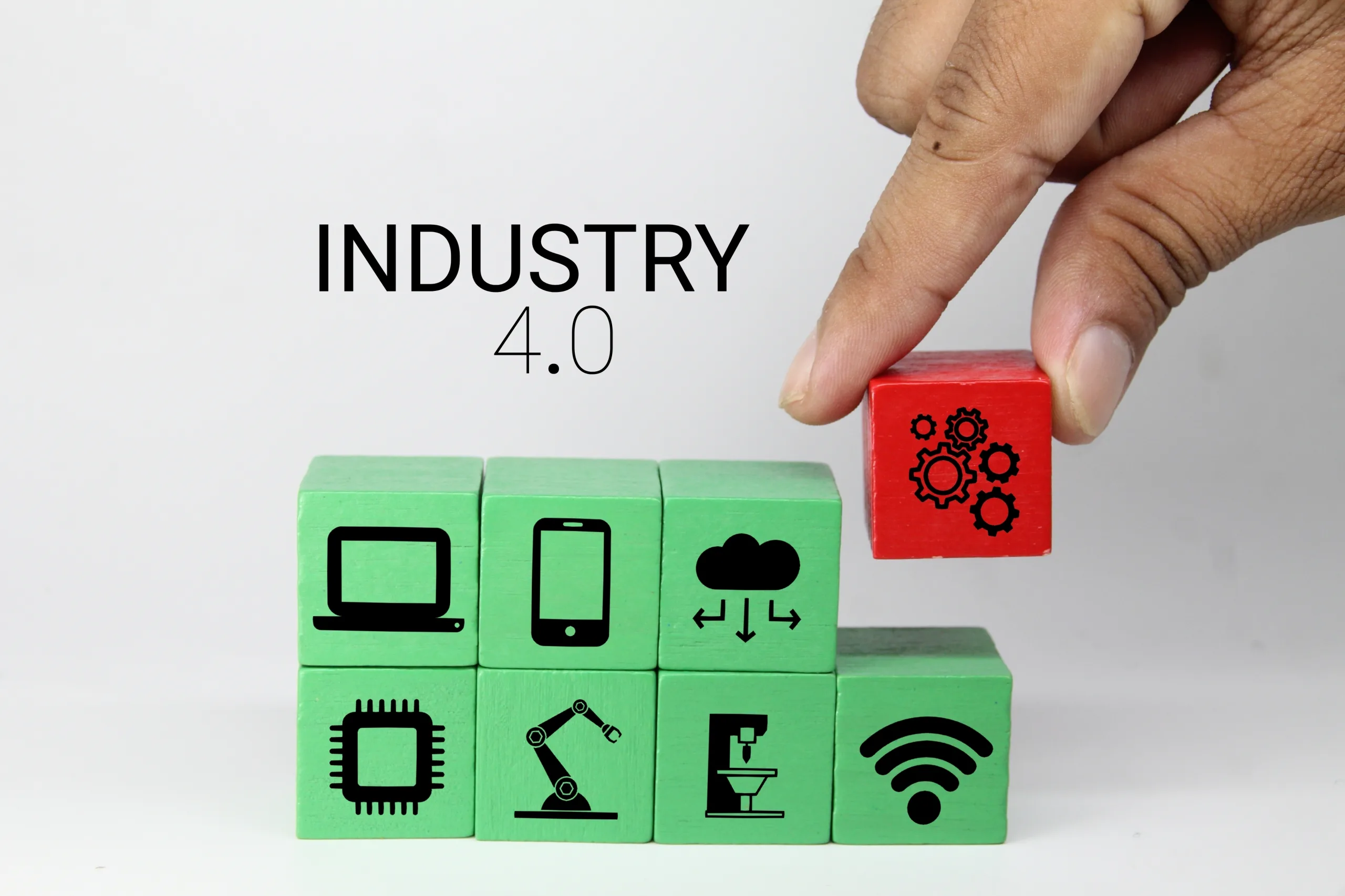

The global manufacturing landscape is undergoing a profound paradigm shift, driven by the rapid integration of digital technologies into industrial processes. In Southeast Asia, Indonesia has emerged as a pivotal player in this transition. Through the “Making Indonesia 4.0” roadmap, the nation aims to revitalize its manufacturing sector, targeting a position among the world’s top ten economies by 2030. Central to this ambitious transformation is the evolution of industrial estates from mere land providers into sophisticated technological hubs that facilitate the adoption of Industry 4.0.
The Strategic Shift to Digital Integration
Industry 4.0—characterized by the Internet of Things (IoT), Artificial Intelligence (AI), big data analytics, and cloud computing—requires more than just advanced machinery within a factory. It necessitates a robust ecosystem of connectivity and infrastructure. Traditional industrial zones are being reimagined as “Smart Industrial Estates,” designed to support the seamless flow of data and energy required for automated production lines.
These modern estates serve as the physical foundation for the Cyber-Physical Systems (CPS) that define smart manufacturing. By providing high-speed fiber optic networks, reliable power grids, and integrated water management systems, industrial estates reduce the high entry barriers for companies looking to digitize their operations. Furthermore, they foster a collaborative environment where cross-industry synergy can flourish, allowing Small and Medium Enterprises (SMEs) to coexist with multinational corporations in a shared digital framework.
Enhancing Efficiency and Sustainability
The adoption of Industry 4.0 within these estates is not merely a matter of technological prestige; it is a strategic necessity for global competitiveness. Automation and real-time data monitoring allow manufacturers to optimize supply chains, reduce waste, and improve precision. This shift significantly enhances operational efficiency, which is critical in an era of fluctuating raw material costs and heightened consumer demand for customization.
Moreover, the “Smart” revolution is intrinsically linked to sustainability. Modern industrial estates utilize AI-driven energy management systems to monitor and reduce carbon footprints, aligning with global Environmental, Social, and Governance (ESG) standards. By concentrating these technologies within specialized zones, Indonesia can achieve industrial growth while simultaneously moving toward its net-zero emission targets.
Subang Smartpolitan: A Blueprint for the Future
Leading this charge is Subang Smartpolitan, a flagship integrated township development that epitomizes the “Green, Smart, and Sustainable City” concept in Indonesia. Strategically located within the new economic corridor expansion of West Java, Subang Smartpolitan is meticulously designed to support the rigorous demands of Industry 4.0.
Subang Smartpolitan is built as a complete ecosystem for business and living. It integrates advanced telecommunications infrastructure and IoT-ready utilities, providing a plug-and-play environment for high-tech manufacturers. By prioritizing a digital-first approach, the estate enables tenants to implement smart factory solutions with minimal lead time.
Beyond hardware, Subang Smartpolitan emphasizes a holistic ecosystem where work, live, learn, and play intersect. Its commitment to eco-friendly practices and efficient logistics—supported by direct access to major toll roads and deep-sea ports—makes it a cornerstone of Indonesia’s industrial future. As the nation pivots toward a digital economy, Subang Smartpolitan stands as a vital catalyst, empowering domestic and international investors to thrive in the era of smart manufacturing.


Leave a Comment