

Industrial township development is becoming increasingly important for manufacturers and global businesses that need more than just factory space. Many companies today face operational challenges stemming from fragmented infrastructure, long commuting times, difficulties retaining talent, and disconnected supply chains, all of which gradually reduce productivity.
Integrated industrial township concepts help address these problems by bringing together industrial operations, residential living, commercial facilities, and public infrastructure into a connected ecosystem. Instead of operating in isolated industrial zones, businesses can grow within environments designed to support long-term efficiency, workforce well-being, and sustainable expansion.
As industrial development evolves, integrated ecosystems are becoming a strategic advantage for companies seeking stronger operational resilience and long-term scalability.
What Is an Industrial Township?
An industrial township is an urban or semi-urban area developed to support industrial activity while also providing municipal services and supporting infrastructure for businesses and communities. It is an area officially designated by the government based on factors such as infrastructure scale, municipal services, and support for industrial establishments.
Unlike conventional industrial parks that primarily focus on manufacturing operations, industrial townships are designed as integrated ecosystems. They combine industrial facilities with residential housing, healthcare, education, retail, entertainment, and transportation infrastructure into a single master-planned environment.
The concept extends beyond simply clustering factories in one location. Industrial townships are developed to create favorable business environments through planned infrastructure, shared utilities, and long-term economic development strategies.
Read More: Manufacturing Efficiency Explained: How to Boost Production for Higher Output
The Evolution of Industrial Development
Industrial development has changed significantly over the past few decades. Earlier industrial estates primarily provided land for factories, warehouses, logistics centers, and manufacturing operations. Their primary objective was improving operational efficiency and transportation access.
According to Investopedia, traditional industrial estates concentrated production, storage, and transportation infrastructure within designated industrial zones to strengthen industrial activity and logistics coordination. While effective for manufacturing operations, this model often separates workers’ daily lives from their workplaces.
Modern industrial development is now shifting toward integrated ecosystems in which businesses, employees, and supporting industries coexist within a single connected environment. This transition is driven by urbanization, evolving workforce expectations, digital transformation, and growing sustainability demands.
UNIDO also highlights that modern industrial estates increasingly support broader community development through healthcare services, transportation systems, workforce training, education facilities, and urban infrastructure. Over time, many industrial zones naturally evolve into industrial towns as employees and supporting businesses settle nearby.
Key Components of an Industrial Township
A successful industrial township combines multiple elements that support both industrial operations and daily living. Together, these components create an integrated ecosystem in which businesses can operate more efficiently while employees benefit from improved accessibility and quality of life.
1. Industrial Area
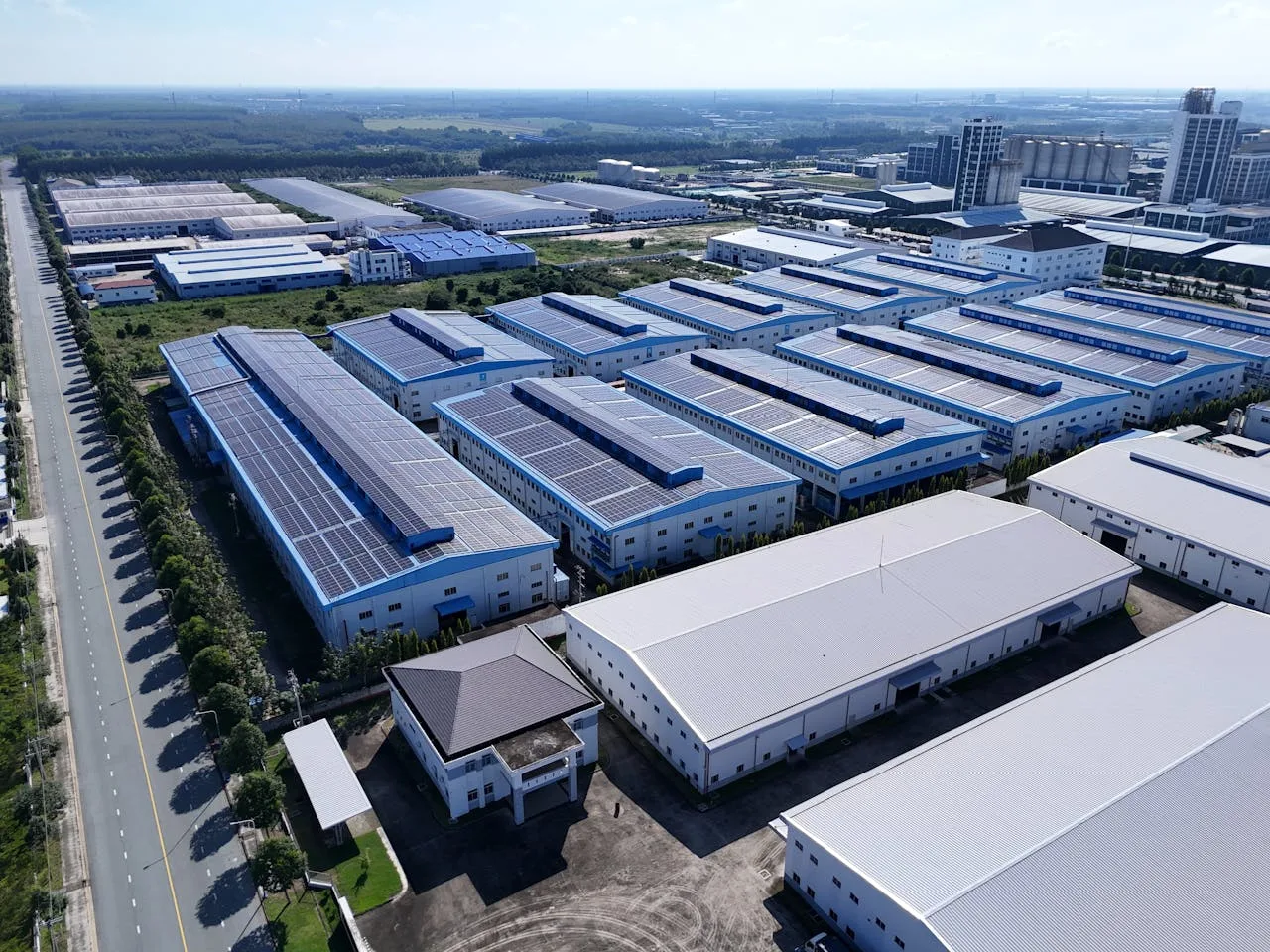
The industrial zone remains the core component of an industrial township. This includes manufacturing facilities, warehouses, logistics hubs, distribution centers, research facilities, and supporting industrial infrastructure such as power networks, wastewater treatment systems, telecommunications, and transportation access.
Industrial zones require reliable infrastructure (e.g., electricity, water supply systems, road networks, drainage systems, telecommunications, and waste management facilities) to maintain operational continuity for tenants.
Strategic access to ports, highways, airports, and railways also plays a major role in maintaining supply chain efficiency. Strong transportation connectivity helps businesses reduce delays while improving operational coordination across multiple facilities.
2. Residential Living
Residential developments within industrial townships help reduce commuting burdens and improve workforce accessibility. Employees, managers, and executives can live closer to their workplaces, supporting a healthier work-life balance and faster operational responsiveness.
As stated in Mindspace, proximity-based living reduces commute-related stress while improving daily productivity. Employees spend less time traveling and more time focusing on work, family, and personal well-being.
Modern industrial townships typically include:
- Housing clusters
- Apartments
- Executive residences
- Community facilities
- Green open spaces
These residential components are designed to accommodate different workforce segments within the same ecosystem.
3. Commercial and Lifestyle Facilities
Industrial townships increasingly include commercial and lifestyle facilities that support daily activities within the same environment. These facilities often include shopping centers, restaurants, hotels, office towers, entertainment venues, sports facilities, and recreational areas.
This approach aligns with the growing “work-live-play” concept, where businesses and employees benefit from having essential services within close reach. Integrated developments create stronger communities and more sustainable economic activity when residential, commercial, and employment centers coexist.
Commercial infrastructure also helps attract supporting industries, investors, service providers, and business partners into the ecosystem.
4. Education and Support Infrastructure
Long-term workforce development is essential for maintaining industrial competitiveness. As a result, industrial townships increasingly integrate technical education centers, vocational training facilities, R&D institutions, healthcare services, and emergency support systems into their ecosystems.
Industrial townships that foster innovation often collaborate with universities, research institutions, and workforce development centers to strengthen talent pipelines and support technology adoption.
Support infrastructure such as hospitals, fire stations, security services, maintenance teams, and tenant support systems also contributes to operational stability and workforce well-being.
Benefits of an Integrated Industrial Ecosystem
Integrated ecosystems improve industrial performance by connecting businesses, infrastructure, the workforce, and public services within a single, coordinated environment.
1. Higher Productivity
Disconnected systems, fragmented infrastructure, and long commuting times can significantly reduce productivity. Integrated ecosystems help minimize these inefficiencies by centralizing operations and improving connectivity between facilities, people, and resources.
Noting from Bitrix24, integrated ecosystems reduce workflow friction, improve collaboration, and minimize operational delays caused by disconnected systems. While the study focuses on digital ecosystems, the same principle applies to industrial environments as well.
When industrial operations, logistics infrastructure, residential areas, and commercial facilities coexist within a single ecosystem, businesses can streamline their daily operations more effectively.
2. Stronger Talent Attraction and Retention
Modern professionals increasingly prioritize accessibility, convenience, and quality of life when choosing workplaces. Industrial townships that provide housing, healthcare, entertainment, and education facilities create more attractive environments for employees and executives.
Long commuting times often contribute to workforce fatigue and lower employee satisfaction. Integrated industrial townships help companies create healthier work environments while improving talent retention.
The work-live-play model also supports stronger communities where employees can build long-term professional and personal connections within the same environment.
3. Improved Operational Efficiency
Integrated industrial ecosystems improve operational coordination between tenants, suppliers, operators, and supporting businesses. Shared infrastructure reduces redundant operational costs while improving service reliability.
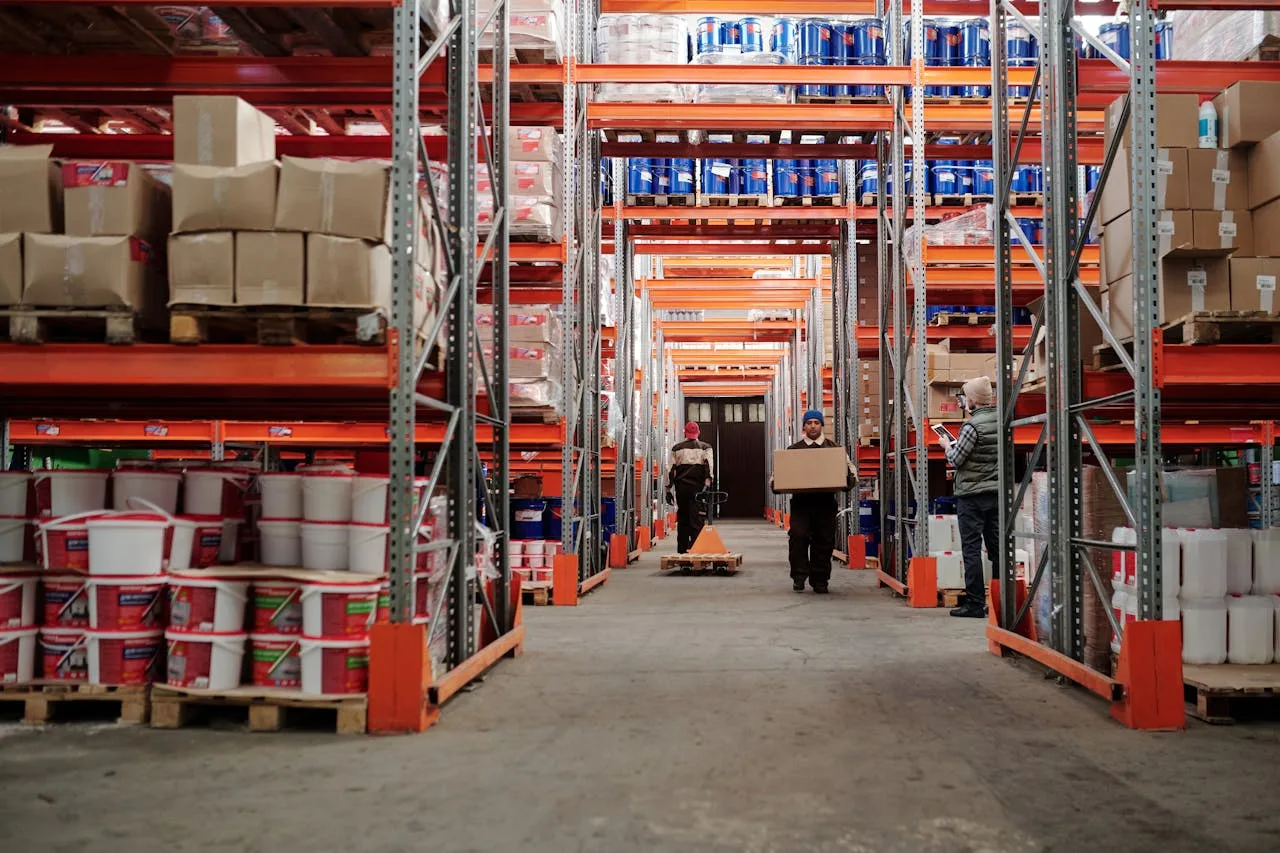
Not to mention, integrated ecosystems improve visibility, reduce operational errors, and support faster decision-making by eliminating disconnected systems. In industrial environments, this translates into smoother logistics coordination, more reliable utilities, and stronger collaboration across the ecosystem.
Centralized maintenance services, tenant support systems, and infrastructure management also enable businesses to allocate more resources to growth and production activities.
The Work–Live–Play Concept in Industrial Development
The work-live-play concept is reshaping industrial development worldwide. Instead of separating industrial operations from residential and commercial activities, this model integrates them into one connected district.
The principle is straightforward: people should be able to work, live, and access leisure facilities within the same ecosystem. This approach reduces transportation burdens while creating stronger communities and more sustainable economic ecosystems.
Successful mixed-use districts require a balance of residential units, office space, retail infrastructure, and public amenities to create self-sustaining communities.
For industrial businesses, this model not only improves operational efficiency but also supports workforce well-being and long-term organizational stability.
How Industrial Townships Affect Business Performance
Industrial townships can significantly influence long-term business performance because they address operational challenges beyond manufacturing itself.
Companies operating within integrated ecosystems often benefit from:
- Faster logistics coordination
- Better workforce accessibility
- Reduced infrastructure management burdens
- Stronger collaboration opportunities
- Improved supply chain connectivity
- Higher employee satisfaction
Industrial townships help attract investment, foster innovation, and support economic growth by providing businesses with access to infrastructure, skilled labor, and strategic industrial ecosystems.
As industries become increasingly competitive, businesses are seeking environments that simultaneously support scalability, operational resilience, and workforce sustainability.
Read More: Smart Industrial Park: Future of Industry
Why Integrated Industrial Townships Are the Future
Industrial development is no longer only about securing factory land. Businesses now evaluate whether industrial ecosystems can support long-term growth, operational efficiency, workforce development, and sustainability goals.
Integrated industrial townships address these evolving needs by combining industrial infrastructure with residential communities, commercial hubs, educational institutions, and lifestyle amenities within a single master-planned environment.
This is where Suryacipta continues to play an important role as one of the leading industrial estate developers in Indonesia. Through Subang Smartpolitan in West Java, Suryacipta develops an integrated industrial township designed to support modern industrial operations alongside workforce living and commercial activity.
Subang Smartpolitan combines industrial infrastructure with residential areas, commercial districts, education and R&D centers, healthcare facilities, shopping malls, and more. This integrated ecosystem helps businesses operate more efficiently while creating a more convenient and connected environment for employees and executives.
Its strategic location, infrastructure readiness, and ecosystem-driven planning also make the industrial park attractive for companies seeking long-term operational stability and expansion opportunities in Indonesia.
Businesses exploring industrial estate development opportunities can learn more on the official Suryacipta website and discover how integrated industrial townships continue to shape the future of industrial growth.
FAQ
1. What are the main components of an industrial township?
The main components of an industrial township typically include industrial facilities, residential housing, commercial areas, education centers, healthcare services, transportation infrastructure, utilities, and public services. These elements are integrated into one ecosystem to support both industrial operations and community living.
2. How is an industrial township different from a traditional industrial park?
Traditional industrial parks primarily focus on manufacturing and logistics, while industrial townships integrate industrial operations with residential living, commercial infrastructure, lifestyle facilities, and public services. Industrial townships are designed to create long-term, self-sustaining ecosystems.
3. Why are integrated ecosystems important for businesses?
Integrated ecosystems help businesses reduce operational inefficiencies, improve collaboration, support workforce well-being, and streamline infrastructure management. Companies operating within connected ecosystems can often improve productivity while reducing friction in logistics and operations.
4. What is the work-live-play concept in industrial development?
The work-live-play concept integrates workplaces, residential areas, and lifestyle facilities within a single district. This approach reduces commuting time, improves convenience, and creates stronger communities that support both professional and personal activities.
5. Why is Subang Smartpolitan considered an ideal industrial township?
Subang Smartpolitan offers integrated industrial infrastructure, residential developments, commercial facilities, education centers, healthcare services, and tenant support systems within one ecosystem. This integrated environment helps businesses maintain operational efficiency while supporting workforce accessibility and long-term business growth.